




































Hike’s Shutdown: How Regulatory Changes and Market Shifts Crushed a Once-Promising Unicorn
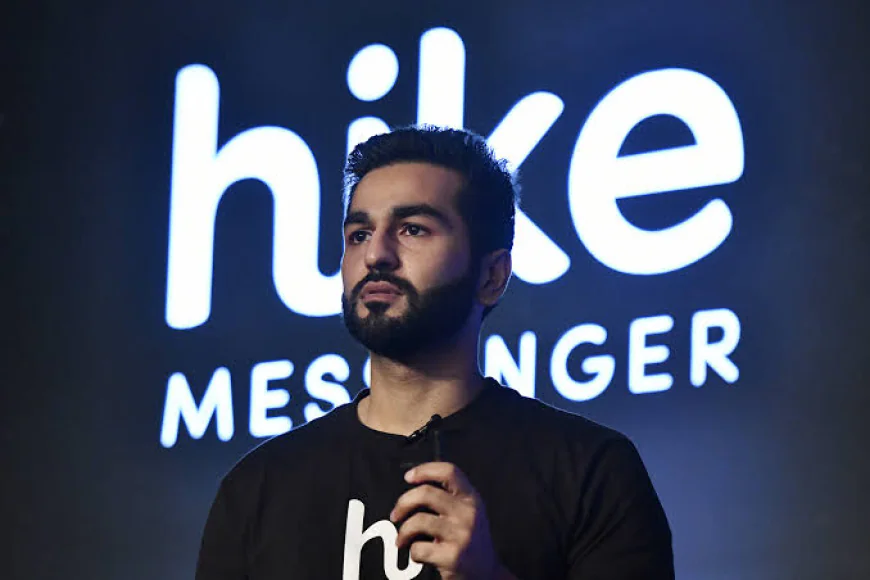
Once hailed as India’s answer to WhatsApp, Hike, founded by Kavin Bharti Mittal, has officially announced the shutdown of its operations. The decision comes in the wake of India’s ban on real-money gaming and rapidly changing business dynamics, which disrupted Hike’s pivot into mobile gaming and Web3 platforms. This marks a cautionary tale for startups navigating regulatory uncertainty in India’s digital economy.


From Messaging Giant to Gaming Pivot
Hike started in 2012 as a homegrown messaging app, riding high on India’s smartphone boom. Backed by global investors like SoftBank and Tiger Global, it even reached a $1.4 billion valuation in 2016, making it one of India’s youngest unicorns.
However, the arrival of WhatsApp and Telegram with superior features pushed Hike to rethink its strategy. By 2020, the company exited the messaging space and pivoted to real-money gaming, betting big on India’s growing online gaming culture. With titles like Rush by Hike, it sought to capture the skill-based gaming market and compete with platforms like MPL and Dream11.
The Regulatory Storm
Just as Hike was gaining traction, the Indian government imposed strict regulations on real-money gaming, citing concerns over addiction and financial risks. Several states implemented outright bans on games involving cash rewards.
For Hike, this was a devastating blow. The company’s core revenue model relied heavily on real-money transactions. With the regulatory uncertainty, investors became cautious, and scaling the business became nearly impossible. Kavin Bharti Mittal admitted that continuing operations under such circumstances would have been “a poor use of capital.”
Impact on India’s Startup Ecosystem
Hike’s shutdown sends ripples across the startup ecosystem. It highlights the fragile relationship between innovation and regulation. While India’s digital economy offers immense growth potential, sudden policy shifts can derail even well-funded companies.

Employees and partners associated with Hike now face uncertainty, while investors are forced to reassess their strategies in gaming and Web3 ventures. It also raises questions about whether India can create a supportive environment for startups in sensitive industries like gaming and crypto.
Lessons for the Future
Hike’s journey is a reminder that adaptability alone isn’t enough. Startups must anticipate regulatory changes and build flexible business models. For India, striking a balance between consumer protection and fostering innovation will be critical if it wants to nurture world-class digital businesses.