




































From Food to Fakes: How Scam Complaints Are Challenging Zomato’s Trust System
Zomato CEO Deepinder Goyal has flagged a growing concern where some customers allegedly use artificial intelligence tools and even staged hair contamination claims to falsely report issues and demand refunds. The statement has sparked debate on trust, ethics, and the future of customer grievance systems in online food delivery.

A New Kind of Customer Complaint
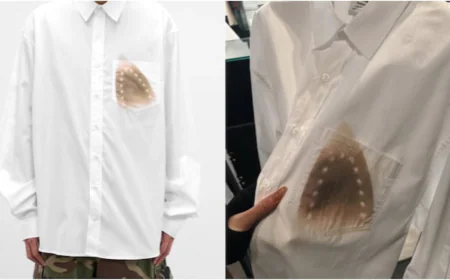
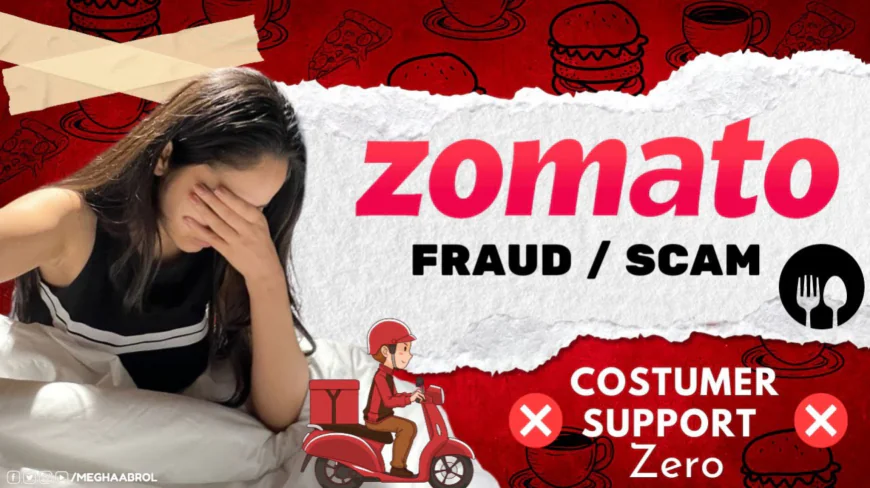
Online food delivery has transformed the way urban India eats, but it has also opened doors to unexpected challenges. Zomato CEO Deepinder Goyal recently pointed out that a section of customers is misusing advanced technology and fabricated complaints to scam platforms for free food. According to him, some users allegedly rely on AI generated images or videos and false claims like finding hair in meals to demand refunds or replacements.
What was once a genuine customer support system is now being tested by increasingly sophisticated methods of deception. These incidents are not just rare exceptions anymore, but a recurring pattern that platforms are being forced to address.
How AI Is Being Misused
Artificial intelligence tools that can generate realistic images and edited visuals have become widely accessible. Goyal suggested that these tools are sometimes used to create fake evidence to support false food quality complaints. When such content lands in customer support systems, it becomes difficult to immediately differentiate between a real issue and a manufactured one.
This misuse places delivery platforms in a tough position. On one hand, they want to protect honest customers and resolve genuine grievances. On the other, they must prevent revenue losses and unfair penalties on restaurant partners.
Impact on Restaurants and Delivery Partners
False complaints do not only hurt the platform. Restaurant owners often bear the brunt of refunds and negative ratings. Delivery partners too can face warnings or account actions when complaints are raised against orders they handled correctly.
Over time, repeated misuse can erode trust across the ecosystem. Restaurants may become defensive, platforms may tighten refund policies, and genuine customers might find it harder to get quick resolutions.
Rethinking Trust and Accountability
Goyal’s comments highlight the need for a more balanced system that protects both consumers and businesses. Stronger verification mechanisms, smarter AI detection tools, and clearer complaint audits could become essential going forward.
At the heart of the issue lies a simple truth. Technology is neutral. Its impact depends on how people choose to use it. As food delivery continues to evolve, maintaining honesty and accountability on all sides will be critical to keeping the system fair and sustainable.