





































Fact Check: Are Tulsi Leaves an Efficient Remedy for Diabetes?
Tulsi, also known as holy basil, is widely used in Indian households for wellness. While some studies suggest it may help support blood sugar control, tulsi is not a cure for diabetes and should not replace medical treatment.

The Popular Belief Around Tulsi
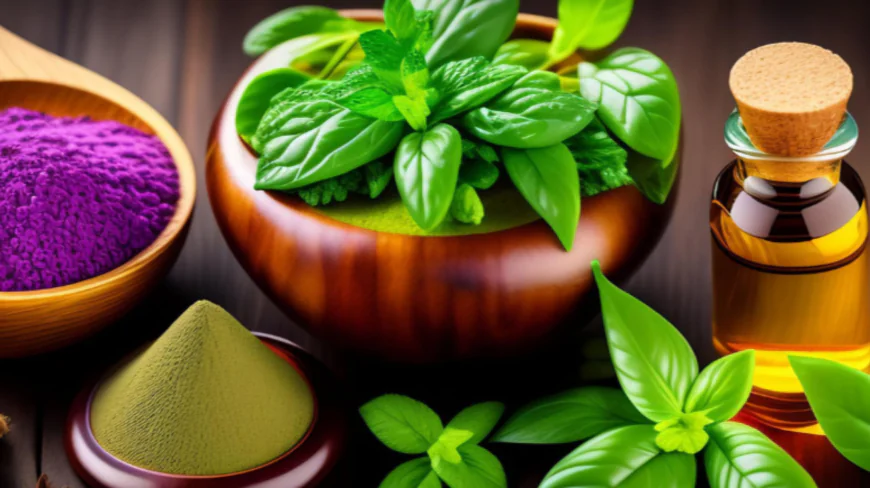
For generations, tulsi leaves have been chewed every morning by people hoping to control blood sugar levels naturally. Ayurveda describes tulsi as a medicinal herb with anti inflammatory and antioxidant properties. This traditional reputation has led many to believe that regular consumption of tulsi can treat diabetes on its own.
What Science Actually Says
Scientific studies on tulsi show mixed but interesting results. Some small scale research indicates that tulsi may help reduce fasting blood glucose and improve insulin sensitivity. These effects are believed to come from plant compounds like eugenol and flavonoids, which may influence carbohydrate metabolism.
However, most of these studies were conducted on animals or involved a limited number of human participants. The results are encouraging but not strong enough to prove that tulsi alone can effectively manage diabetes. Large clinical trials are still lacking.
Tulsi as Support, Not a Substitute
Doctors and nutrition experts agree on one key point. Tulsi can be considered a supportive herb, not a standalone remedy. Diabetes is a complex metabolic disorder that requires proper diagnosis, regular monitoring and long term management through diet, exercise and medication when prescribed.
Relying only on tulsi leaves while ignoring medical advice can be risky. Uncontrolled blood sugar levels can quietly damage the heart, kidneys, eyes and nerves over time.
Possible Benefits and Limitations
Tulsi may offer certain benefits such as mild blood sugar regulation, stress reduction and improved immunity. Stress management itself plays a role in diabetes control, so this indirect benefit should not be overlooked.
At the same time, tulsi cannot replace insulin or oral anti diabetic drugs. Its effects are mild and vary from person to person. Excessive consumption may also cause side effects like low blood sugar when combined with medication.
The Bottom Line
Tulsi leaves are not a miracle cure for diabetes. They may help support overall health and complement a healthy lifestyle, but they cannot treat diabetes on their own. Anyone with diabetes should view tulsi as an add on to medical care, not an alternative. Managing diabetes safely means combining traditional wisdom with modern medical guidance.