





































Delhi Knocks on Every Door to Bring Missing Children Back to School
The Delhi government has launched a citywide survey from January 1 to January 15 to identify children who are not enrolled in school or have dropped out. The initiative aims to understand the reasons behind their absence from classrooms and ensure their return through bridge courses, age-appropriate admissions, and focused academic support.

A Ground-Level Mission Across the Capital
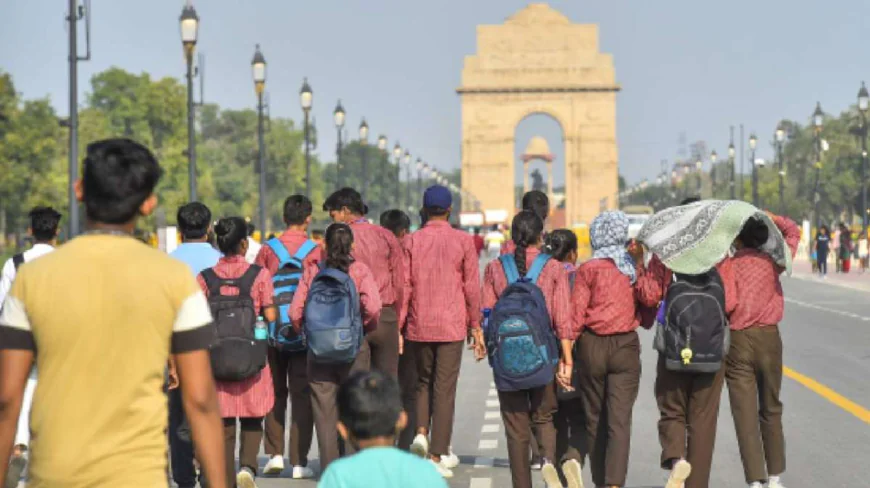
At the start of the new year, Delhi has taken a decisive step to address a long-standing challenge in education. A comprehensive door-to-door survey is underway across all districts of the capital to identify children who are currently out of school. Teams comprising teachers, education officials, and local volunteers are visiting homes, informal settlements, construction sites, and migrant clusters to ensure no child is overlooked.
The survey focuses on children aged between 6 and 17 years who have either never been enrolled or discontinued their studies midway. Officials believe that direct interaction with families is the most effective way to capture accurate data and understand real-life barriers.
Understanding Why Children Leave School
Preliminary observations suggest multiple reasons behind school dropouts. Frequent migration, financial hardship, lack of documentation, health issues, and learning gaps that make classroom learning difficult are among the most common factors. The survey does not merely count numbers but also records individual circumstances, helping authorities design targeted solutions rather than generic fixes.
This human-centric approach reflects a shift from administrative record-checking to empathetic engagement with families.
Bridge Courses and Re-Enrolment Plans
Once identified, children will not be pushed back into classrooms without preparation. The education department plans to introduce bridge courses that focus on basic literacy, numeracy, and confidence building. These short-term programs will help children adjust academically and emotionally before joining regular classes.
Based on age and learning level, students will be placed in appropriate grades. Special attention will be given to older children so that they can continue education without feeling discouraged or left behind.
A Step Towards Inclusive Education
Officials have stressed that the goal is not just enrolment, but retention. Schools will track progress closely, involve parents, and offer additional academic support where required. Community participation is also being encouraged to ensure sustained attendance.
By taking education to the doorstep, Delhi’s initiative signals a strong commitment to inclusive schooling. If implemented effectively, this survey could become a model for other states aiming to bring every child back into the learning fold and ensure that classrooms truly reflect universal access to education.