




























Crumbling at the Core: Haryana’s Colleges Struggle as Leadership and Teachers Go Missing
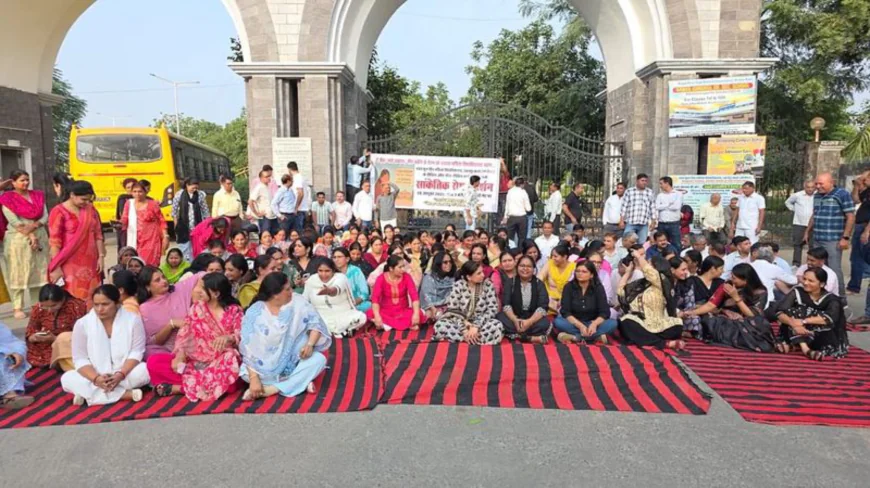
Nearly half of Haryana’s government colleges currently function without principals, and more than 56% of sanctioned teaching posts remain vacant. This leadership vacuum and faculty shortage have pushed higher education in the state into a fragile zone, impacting both classroom learning and long-term academic quality.

A System Running on Empty
Walk into many government colleges across Haryana and you’ll notice something unsettling — the principal’s chair often sits empty. With almost half of these institutions operating without a permanent head, decision-making has slowed, accountability has loosened, and students are left navigating a system functioning on temporary arrangements.
In higher education, strong leadership is not just symbolic. A principal shapes academic strategy, manages staff, resolves student issues, and ensures discipline. Without one, many colleges are surviving on autopilot.
A Faculty Shortage That Hurts the Classroom
Equally alarming is the massive teaching vacuum — over 56% of faculty posts are vacant. This means students are often taught by guest lecturers juggling multiple colleges or by overburdened existing staff stretched far beyond capacity.
For students, this directly affects:
• Subject depth and clarity, as rushed classes limit learning.
• Personal guidance, crucial for careers and higher studies.
• Extracurricular and research opportunities, which shrink without adequate mentors.
Parents often view government colleges as affordable lifelines. But without teachers, even affordability cannot guarantee quality.
Why the Vacancies Exist
The crisis didn’t appear overnight. It stems from a combination of:
• Delayed recruitment processes, leaving posts empty for years.
• Retirements without timely replacements.
• Administrative reshuffling that disrupts continuity.
• Limited incentives for educators to choose government institutions over private ones offering better pay and flexibility.
These gaps have slowly piled up, and now the strain is visible at every level.
Students Caught in the Middle
Perhaps the most painful part of this situation is the impact on young learners. Many are first-generation college-goers who rely on government institutions to unlock opportunities their families never had. When classes get cancelled, syllabi remain unfinished, or guidance is unavailable, their dreams take the hit.
Some students compensate through coaching centres, but not everyone can afford that. Education was supposed to be the great equaliser — instead, inequality grows when public institutions weaken.
The Road Ahead: Repairing the Foundation
Haryana urgently needs robust recruitment drives, incentives to attract talented educators, and strong interim leadership until permanent principals are appointed. Strengthening colleges today is an investment in tomorrow’s workforce, innovation, and societal growth.
For thousands of students, the solution cannot wait. Their futures are already unfolding inside classrooms that desperately need people at the helm.