





































Common Online Scams and How to Stay Safe from Fraud
Get tips on identifying the most popular types of online fraud, as well as tips for staying safe from becoming a victim

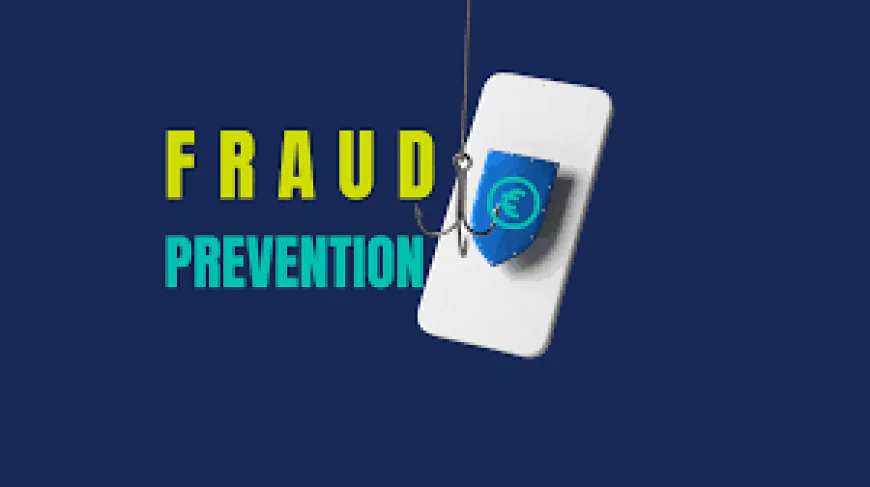
The Internet has improved our lives by allowing us to access things quickly and easily & connect with others around the world. Unfortunately, the Internet also provides opportunities for fraudsters, who take advantage of the many people using the Internet and the technologies available to them. Daily, thousands of individuals become victims of online scams. Fortunately, the majority of scams follow a specific pattern. When you know how to spot common online scams early, you can develop ways to protect your money and your identity online.
Phishing messages and emails
Phishing is the most popular form of online fraud. In a phishing scheme, scammers use a fake email or text message that appears to be from a bank, shipping company, or government agency and claims to be urgent by saying your account is about to be locked or your package is not being delivered. This type of letter encourages the victim to use a link provided or to give away their password and one-time password (OTP) credentials.
To prevent being a victim to a phishing scam, never give out your OTP, look very carefully at who sent the message, and do not click on links that seem odd or out of place. Instead of clicking on links, type the web address of the company into your browser.
Counterfeit internet shopping sites
Dishonest e-commerce sites provide unbelievable price reductions on well-known products. After making a purchase, individuals may either receive low-quality items or nothing at all.
To protect yourself. Always ensure you are using secure and safe payment gateways, check credentials for the customer (online feedback), and verify https:// status on the website. Beware of overly generous discounts; it's most likely fake.
Investment and Cryptocurrency Scams
"Guaranteed High Return" scam is the draw for many individuals. Online Scammers portray themselves as investment brokers, online trading academies, and cryptocurrency experts. They entice you with fictitious profits to attract you into their scheme.
Safety: All legitimate investments have financial risks, and not even a legitimate platform can guarantee you an immediate profit. Research any platform you are investing in before you send money to any wallet or person you don't know.
Tech support scams
If a pop-up window or phone call appears saying your computer has been infected and instructing you to install software or pay them to fix it, that is an indicator that these computers are probably a scam. Once you let them into your device, they can either steal personal information from your computer or possibly lock you out of your computer.
How to avoid being scammed: You will never receive an unsolicited call from a legitimate company for support. If you feel there is something wrong with your device, call the company's official support channel directly to verify.
Romance and friendship scams
Scammers will develop a connection with someone on a dating or social site, and then ask that person for money to help them out of an emergency, buy a ticket to see them, or get medical attention.
If someone you've never met online asks you for money, or avoids video calling you or meeting you in person, use caution.