




































CBSE Relaxes APAAR ID Requirement to Ease Exam Registration Challenges
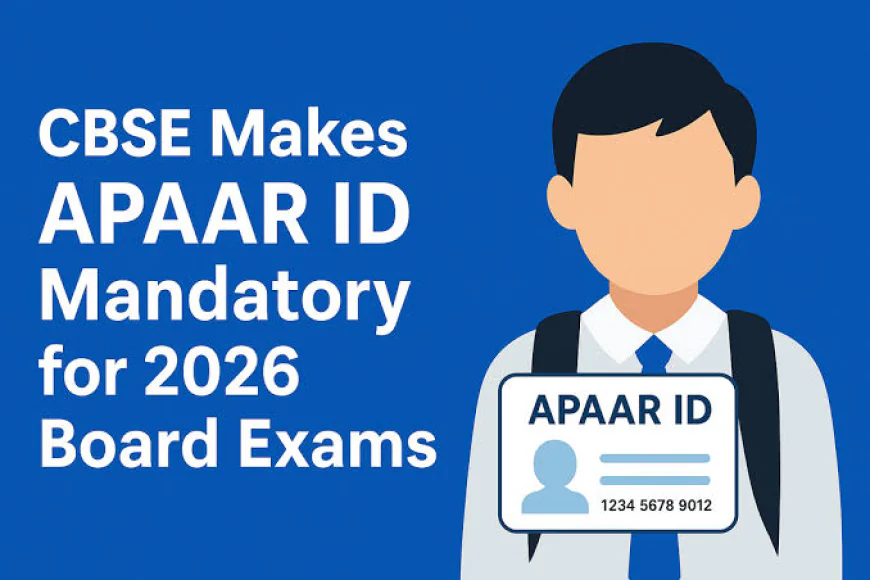
The Central Board of Secondary Education (CBSE) has introduced flexibility in its requirement for APAAR IDs during Class 10 and 12 exam registrations. This decision comes as a relief for schools and parents facing delays and technical issues in generating these digital academic IDs, ensuring that no student is excluded from board examinations due to administrative hurdles.


What is APAAR ID and Why It Matters
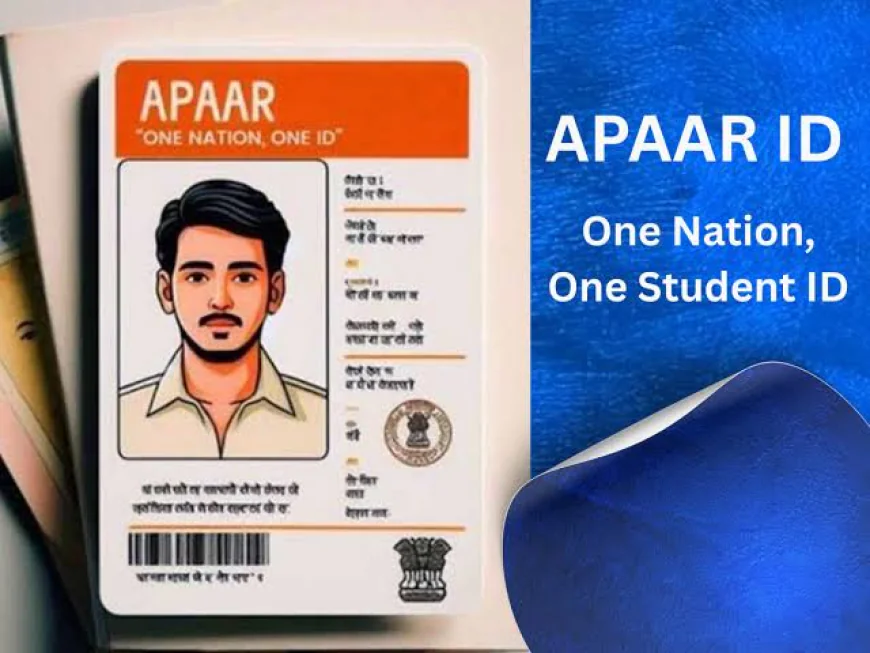
The APAAR ID (Automated Permanent Academic Account Registry) is a unique academic identifier introduced by the government under the National Education Policy (NEP) 2020. Much like a digital report card for life, it stores a student’s entire educational record from school enrollment to higher education in one centralized database.
The initiative aims to create seamless academic tracking, reduce paperwork, and provide students with easy access to their academic credentials. However, its nationwide rollout has faced hurdles due to Aadhaar mismatches, lack of digital access in rural areas, and delays in data verification.
The Problem Schools Faced
As schools began preparing their list of candidates for the 2025 Class 10 and 12 board exams, many discovered that several students still did not have valid APAAR IDs.
• Technical glitches on the registration portal slowed down the process.
• Some parents were hesitant to share Aadhaar details, citing privacy concerns.
• In certain cases, delays in Aadhaar card updates prevented the generation of valid IDs.
With exam deadlines approaching, schools feared that students might be barred from registering a scenario that could have caused immense stress and disrupted their academic future.
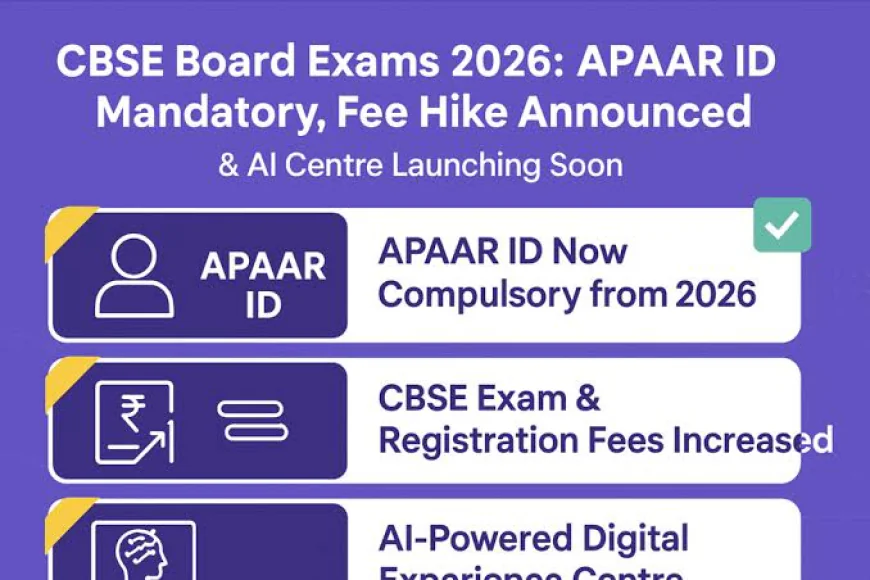
CBSE’s Solution: ‘REFUSED’ and ‘NOGEN’ Options
To address these concerns, CBSE announced that schools can now mark such cases as “REFUSED”(for parents unwilling to provide Aadhaar details) or “NOGEN” (for IDs not yet generated). This ensures that no student is left out of the upcoming board exams, while still encouraging schools to complete the APAAR registration process in the future.
Looking Ahead
CBSE’s move reflects a balance between embracing digital reforms and ensuring inclusivity. While APAAR IDs are a progressive step towards modernizing India’s education system, their successful implementation requires patience, awareness campaigns, and robust digital infrastructure.
For now, students and parents can breathe a sigh of relief knowing their board exam journey will not be hindered by technical roadblocks — a thoughtful step by CBSE to prioritize education over bureaucracy.