


























Bridging the Educational Divide: A Step Towards Justice for Marginalized Communities
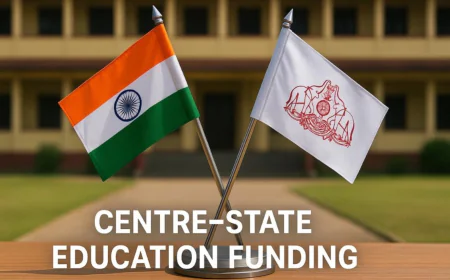
Rahul Gandhi’s recent “Most Backward Justice Manifesto” shines a spotlight on the urgent need for equitable access to education in India. This initiative aims to create more opportunities for marginalized communities, ensuring that quality education becomes a right rather than a privilege.


The Inequality in Education
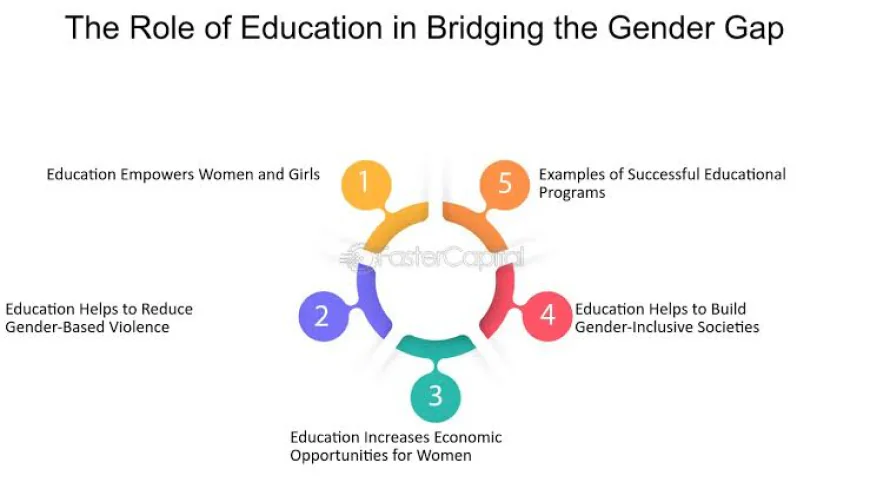
Education has long been hailed as the most powerful tool to break the cycle of poverty, yet millions of children from marginalized communities in India are still denied this basic right. Factors such as lack of infrastructure, financial hardships, and systemic discrimination create a barrier that prevents these children from competing on an equal footing.
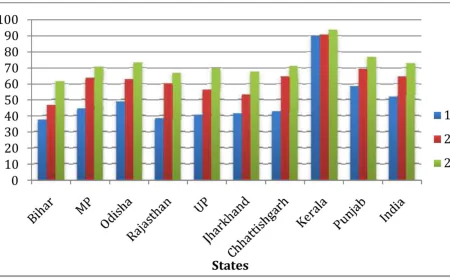
According to recent surveys, dropout rates remain alarmingly high among students belonging to Scheduled Castes (SC), Scheduled Tribes (ST), and Other Backward Classes (OBC). Without intervention, this gap will continue to widen, leading to deep-rooted socio-economic inequality.
The ‘Most Backward Justice Manifesto’
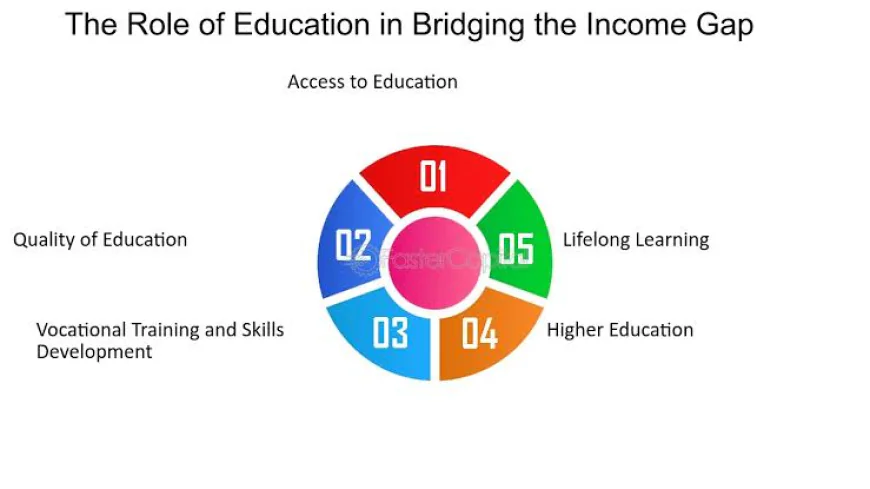
Rahul Gandhi’s manifesto addresses these pressing concerns by advocating for increased educational opportunities for historically disadvantaged groups. The key proposal focuses on expanding reservation policies and improving access to quality education at all levels from primary schools to higher education institutions.
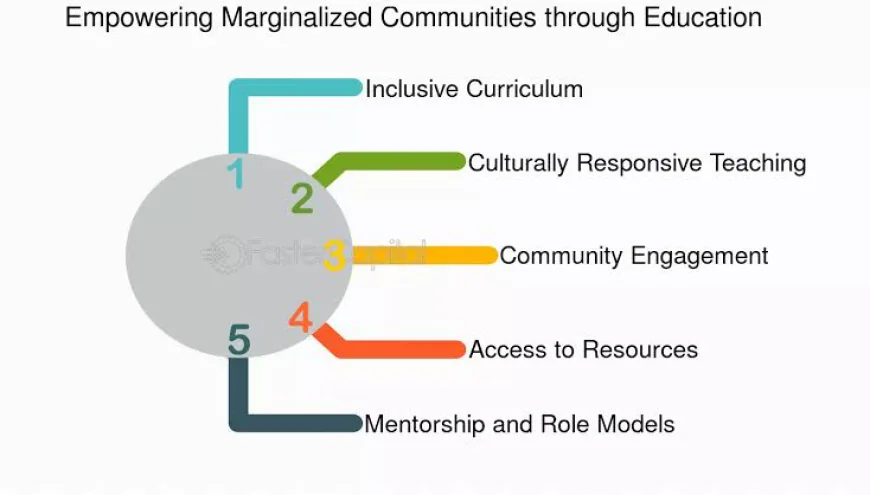
This plan goes beyond mere enrollment numbers. It emphasizes the importance of adequate resources, trained teachers, and culturally sensitive curriculum designs that reflect the diverse backgrounds of students. The manifesto also calls for scholarships and skill development programs to help students transition smoothly into the workforce.
Challenges in Implementation
While the vision is ambitious, it comes with challenges. Political opposition, budget constraints, and existing infrastructure gaps may slow progress. Additionally, the policy must ensure that benefits reach the intended communities without being misused. Community engagement and transparent monitoring will be key to its success.
Why It Matters Now
India’s growth story cannot be complete without uplifting its most vulnerable populations. Providing equal access to education is not just a social obligation but also an economic necessity. A well-educated and skilled workforce will strengthen the nation’s future.
Conclusion:
The “Most Backward Justice Manifesto” is a significant step towards addressing deep-rooted educational disparities. If implemented effectively, it has the potential to transform lives, empower communities, and move India closer to the vision of inclusive and equitable growth. Education must remain at the heart of this transformation, ensuring that no child is left behind.