































Boost in Two-Wheeler Sales Amid GST Changes
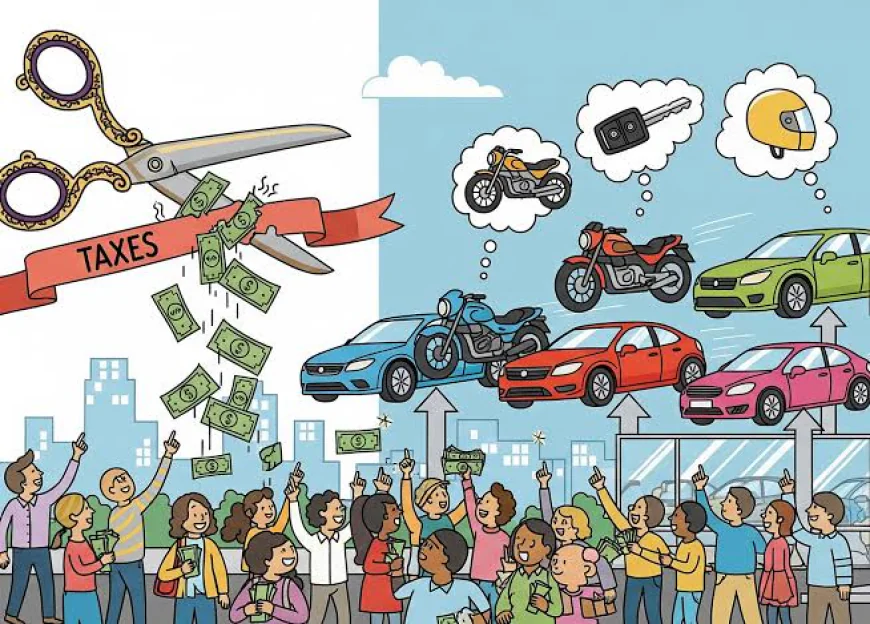
The recent GST 2.0 reforms have brought a wave of optimism to India’s automobile sector, particularly the two-wheeler market. With tax rationalization and improved affordability, the industry is witnessing a surge in demand, indicating a strong revival in consumer confidence and rural market growth.

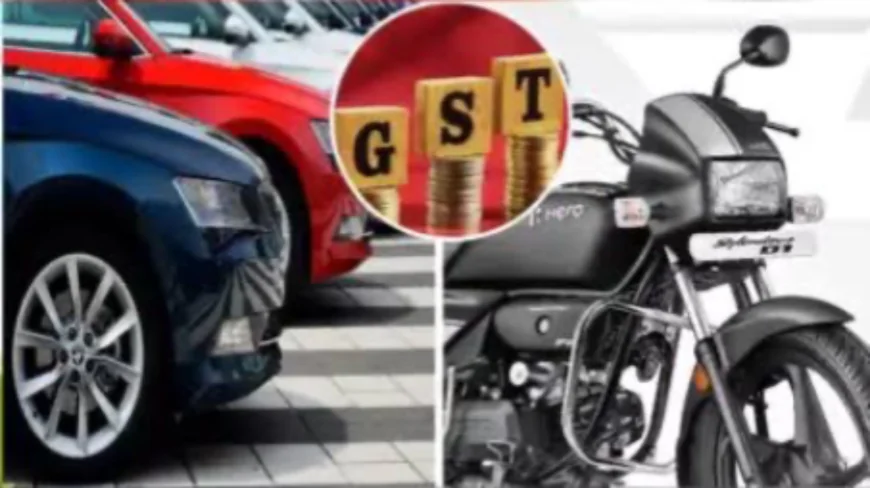
GST Reforms Drive Affordability
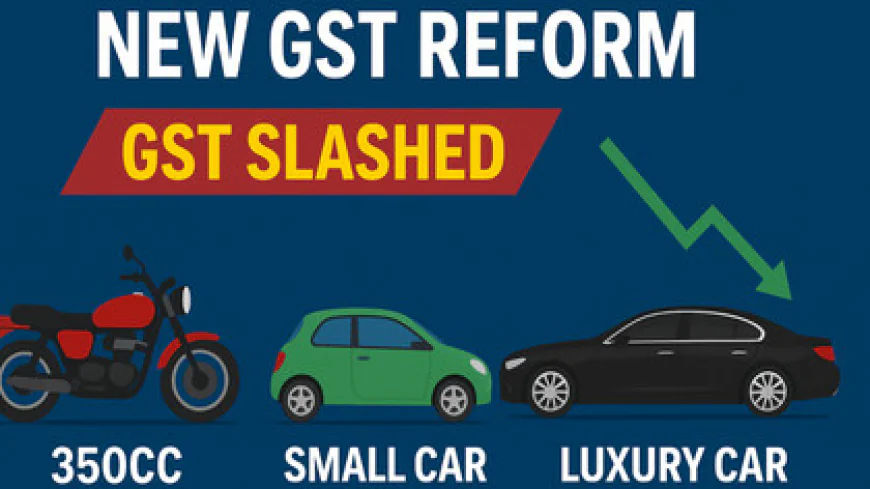
The introduction of GST 2.0 with a simplified two-slab structure—5% and 18%—has been a game changer for the automobile industry. Previously, two-wheelers were placed in higher tax brackets, making them less affordable for price-sensitive consumers, especially in rural and semi-urban areas. With the revised GST rate, the overall cost of purchasing a two-wheeler has dropped, encouraging first-time buyers and families looking for a second vehicle.
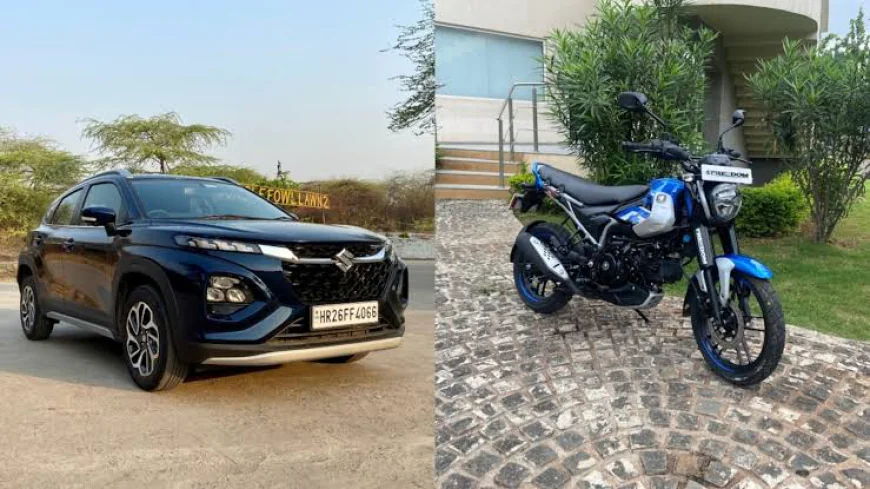
According to industry reports, two-wheeler sales are projected to grow by 5–6% in the current fiscal year. This growth is largely attributed to reduced upfront costs, festive season demand, and the increasing need for affordable personal mobility options.
Rural Markets Take the Lead
Rural India has emerged as a key growth driver for the two-wheeler segment. Better monsoon forecasts, rising agricultural income, and government initiatives to improve rural infrastructure have boosted purchasing power in these regions. With lower GST rates, manufacturers are focusing on producing budget-friendly models to cater to this demand.
Brands such as Hero MotoCorp, TVS, and Bajaj Auto are actively expanding their dealership networks in tier-2 and tier-3 towns. Additionally, attractive financing schemes from banks and NBFCs have further fueled rural sales.
Shifting Consumer Preferences
While motorcycles continue to dominate rural markets, urban areas are seeing a rising demand for scooters, especially electric variants. The GST cuts have made entry-level electric two-wheelers more accessible, aligning with India’s push toward greener mobility. Manufacturers are now investing heavily in hybrid and electric models, anticipating a long-term shift in consumer preferences.
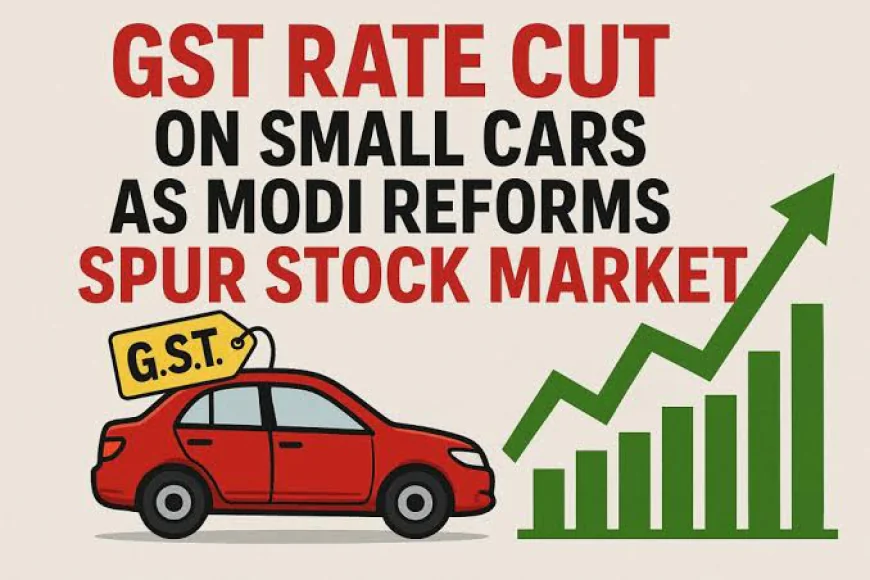
Challenges Ahead
Despite the positive momentum, the sector faces challenges such as rising fuel prices and increasing competition from electric mobility startups. Moreover, the industry remains sensitive to global economic factors, including potential trade restrictions and raw material costs.
Conclusion
The GST 2.0 reforms have given the two-wheeler industry a much-needed boost by enhancing affordability and reviving demand. With rural markets showing strong potential and urban consumers leaning toward electric vehicles, the sector is poised for sustained growth. However, manufacturers must continue innovating and adapting to ensure this momentum translates into long-term success.