






































Alarming Surge in Suicidal Tendencies Among Children: A Wake-Up Call for Society
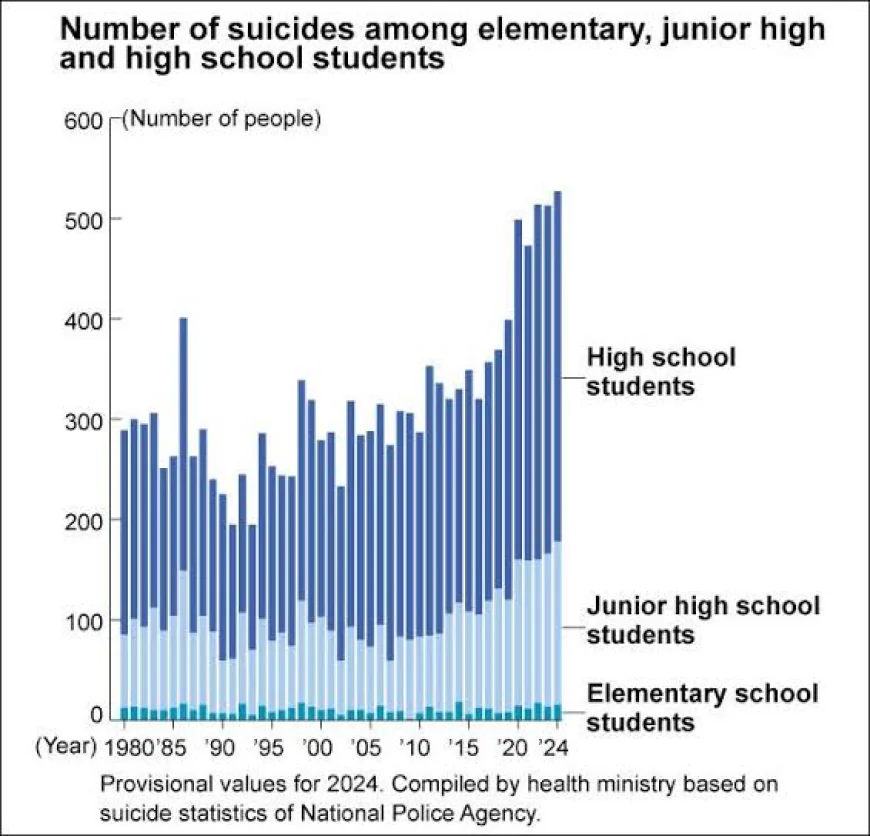
India is witnessing a disturbing rise in suicidal tendencies among children, with cases being reported in children as young as nine years old. Experts warn that increasing academic pressure, digital isolation, and lack of emotional support are key factors fueling this silent crisis. Urgent intervention and a collective effort by parents, educators, and policymakers are needed to safeguard the mental well-being of the younger generation.


A Disturbing Reality Emerges
In recent years, mental health professionals across India have raised serious concerns about the increasing number of children showing signs of suicidal ideation. Dr. S. Janani, a leading psychiatrist, revealed that she has encountered a growing number of cases involving children who have not only spoken about ending their lives but have also attempted dangerous acts like overdosing on medication.
What is particularly alarming is the age group involved children as young as nine are experiencing emotional pain so intense that they consider suicide an option. This reflects a deeper problem: today’s children are grappling with overwhelming pressures they are ill-equipped to handle.
The Hidden Causes Behind the Crisis
Several factors have contributed to this unsettling trend. The academic rat race remains one of the most significant stressors. From early childhood, students are pushed to excel in exams, competitive tests, and extracurricular activities, often with little time to simply be children.
In addition, the digital world, while offering connectivity, has created a space for cyberbullying, unrealistic comparisons, and social isolation. Many children spend hours online, disconnected from meaningful real-life interactions, leading to loneliness and low self-worth.
Family dynamics also play a critical role. Busy lifestyles and lack of open communication mean that many children feel unheard and misunderstood, leaving them to cope with their struggles alone.

Early Intervention is Key
Experts emphasize the importance of early detection and intervention. Parents and teachers must look out for warning signs such as withdrawal, sudden mood swings, changes in eating or sleeping habits, and declining academic performance. Creating a safe environment where children feel comfortable expressing their feelings is vital.
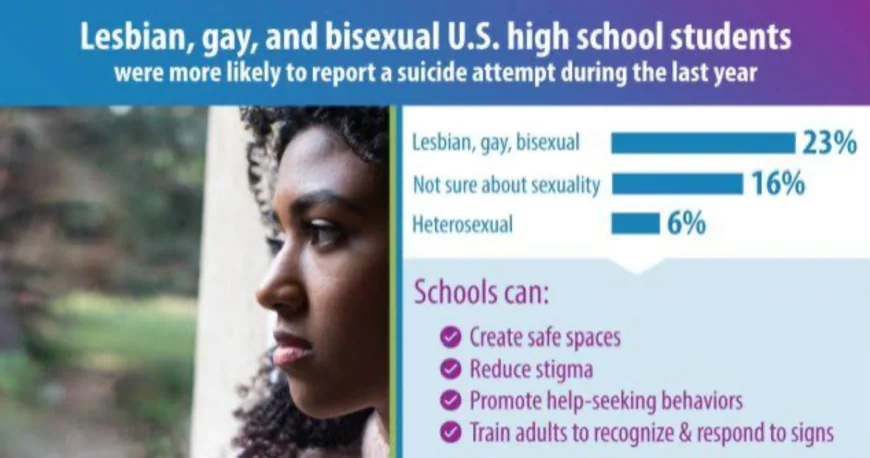
Schools can help by integrating mental health education into their curriculum, offering counseling services, and reducing the stigma around seeking help.
Conclusion
The rise in suicidal tendencies among children is not just a personal tragedy it is a societal failure. Protecting the mental well-being of our young generation requires compassion, awareness, and systemic change. By fostering open dialogue and providing timely support, we can ensure that no child feels their only escape is to end their life.