





































A Safer Public Space: Supreme Court Orders Removal of Stray Dogs from Schools, Hospitals and Transport Hub
The Supreme Court has directed authorities to remove stray dogs from sensitive public spaces such as schools, hospitals, and major transport hubs. The order aims to safeguard citizens—especially children and patients—while also pushing for humane management of stray animals through proper shelters and long-term urban planning.

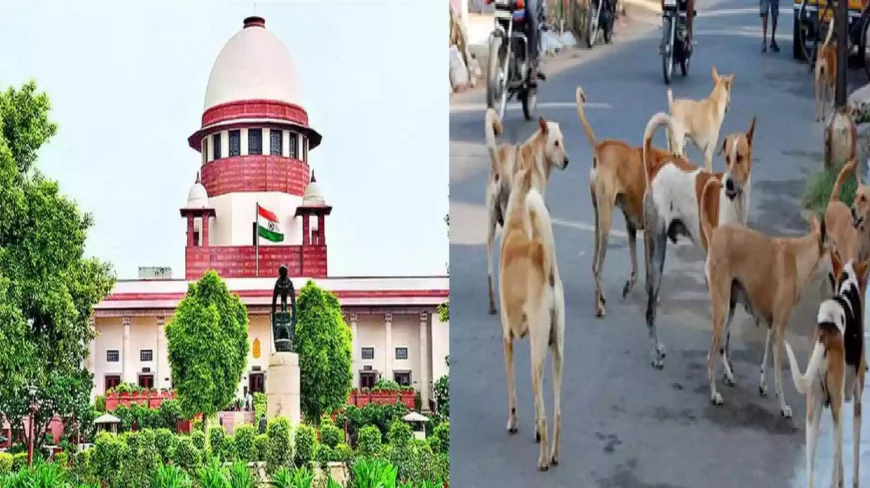
The Supreme Court has directed authorities to remove stray dogs from sensitive public spaces such as schools, hospitals, and major transport hubs. The order aims to safeguard citizens—especially children and patients—while also pushing for humane management of stray animals through proper shelters and long-term urban planning.
A Decision Rooted in Public Safety
Stray dogs have long been part of India’s urban landscape, navigating crowded streets and public spaces with ease. But in recent years, increasing incidents of dog bites, fear among children, and disruptions in essential spaces have triggered deeper concerns. Responding to these issues, the Supreme Court has now issued a significant directive: remove stray dogs from schools, hospitals, railway stations, bus stands, and other sensitive hubs.
The intention isn’t hostility toward animals, but protection for people who may feel vulnerable—patients, the elderly, schoolchildren, and commuters.
Understanding the Court’s Perspective
The Supreme Court emphasized that the responsibility for handling stray dogs lies with municipalities and state administrations. The court noted that public spaces meant for healing, learning, and essential movement should not become zones of distraction or danger. Hospitals must remain calm and hygienic. Schools must feel safe for children. Transport hubs must stay orderly, especially during peak hours.
The order aims to restore this balance without resorting to cruelty.
Humane Management, Not Elimination
Importantly, the court has reiterated that the removal of stray dogs does not equate to harming them. Instead, the directive encourages creating proper shelters, supporting vaccination drives, sterilization programs, and deploying trained dog squads to manage relocation responsibly.
Animal welfare groups have urged that any action must be guided by compassion. For many dogs, the streets have been their only home. Transitioning them into shelters or designated zones requires thoughtful planning and sustainable systems.
Relief for Parents, Commuters and Healthcare Workers
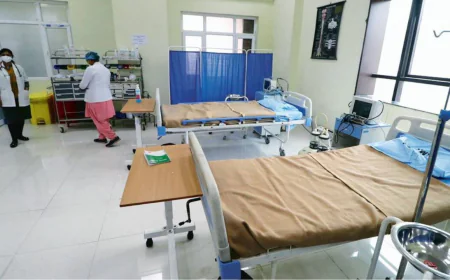
For parents who fear sending children to schools where stray dogs roam freely, the order brings reassurance. Hospital staff, who often struggle with dogs wandering near emergency wards or waste disposal areas, see this as a practical measure to maintain hygiene and safety. Commuters, too, may feel more comfortable navigating busy bus stations and railway platforms without unexpected encounters.
A Step Forward, But Not the Final Word
The Supreme Court’s order highlights a deeper truth: cities must be designed to accommodate both people and animals without conflict. Removal from sensitive zones is a start, but long-term solutions lie in stronger municipal systems, cleaner streets, and community awareness.