




























Tariff Turnaround: Trump Repeals 40% Levies on Brazilian Food Imports
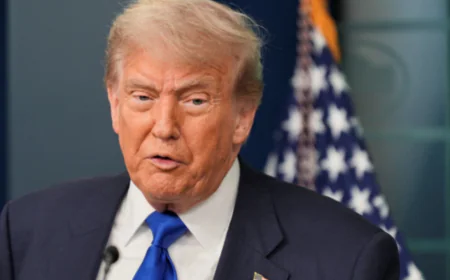
Trump has decided to drop the 40% tariffs on Brazilian beef, coffee, and other products which in fact, serves as a signal for the change in trade relations between the U.S. and Brazil.

An Unexpected Reversal
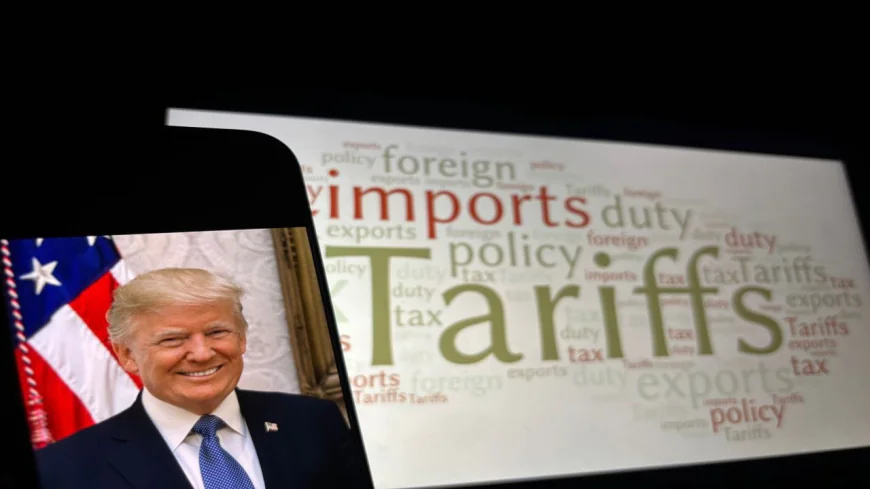
In an unexpected twist of events, Donald Trump has terminated the 40% tariff on imports of a variety of Brazilian foods such as beef, coffee, cocoa, and fruits. This realignment of the policy significantly signifies the improvement of trade relations between the two countries, the U.S. and Brazil.
Why the Policy Shift?
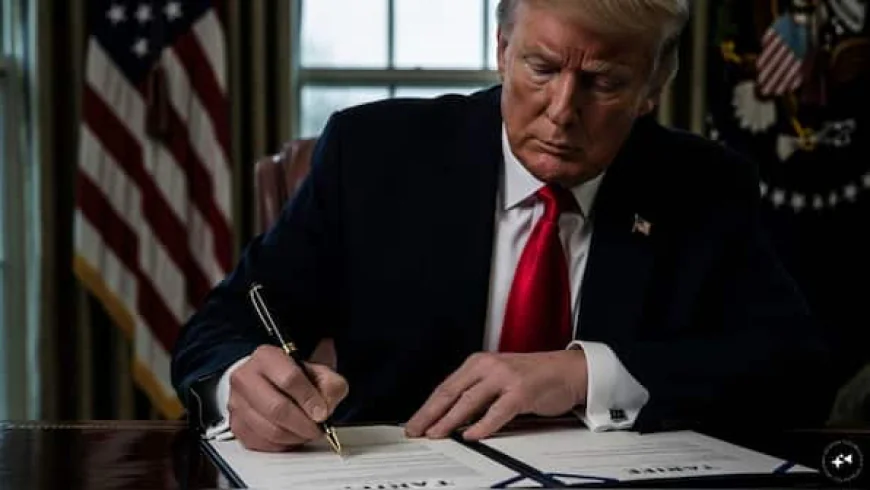
It is quite a surprise that the rollback will take effect on November 13. Besides, it is also rumored that the refunds for the duties that have been collected will accompany it. Trump explained that he made his decision following the advice of U.S. officials and due to the diplomatic momentum with Brazil.
Bolstering Brazilian Exports
Considering that Brazil is the main coffee supplier — the majority of U.S. imports are from there — and a large exporter of lean beef as well, the removal of the tariff may lead to the U.S. being flooded with Brazilian products that have been waiting in bonded warehouses for clearance and distribution in the local markets.
Consumer Impact
By doing away with these exorbitant import taxes, the food purchases of American consumers may be significantly reduced, especially for such commodities as coffee and meat.
Political Undertones
One of the causes of the imposition of those heavy 40% tariffs was the political tension that surrounded the trial of former Brazilian President Jair Bolsonaro, a Trump ally. The rollback is now viewed not only as a relief of the economy but also as a diplomatic overture.
Pushback from Brazil
Despite the rollback, Brazil's Vice President Geraldo Alckmin, however, said the 40% rate is still in place for products such as coffee, beef, and tropical fruits. He suggested that while some tariffs have been lifted, there are still significant obstacles that remain.
What This Means for Future Trade
The countryside folks in Brazil are pleased with this move as a first step toward stability. For the US, it could be the indication of a more stable and collaborative trade relationship in the future, based on partnership rather than punishment.