























Opposition Want Digital Data While Poll Body Provides Copies In Paper: DMK's Kanimozhi Is Concerned
DMK leader Kanimozhi slams the Election Commission for supplying paper data, when digital data is requested — growing tension and concerns around democracy in Parliament.

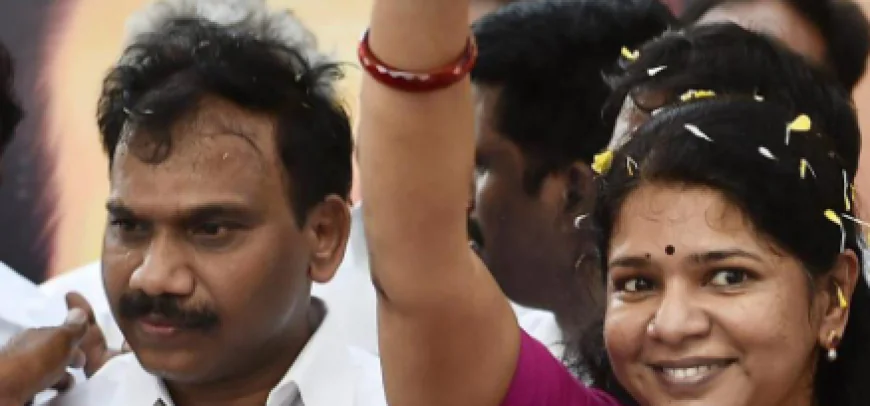
"Opposition Ask For Digital Data But Poll Body Provides Records In Paper"
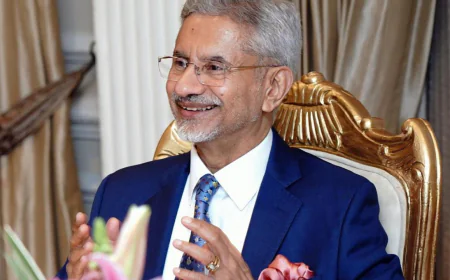
DMK MP Kanimozhi complained vehemently about the Election Commission today, saying that as opposition parties are asking for digital election data, they are being provided a paper record instead. She said this is a troubling sign of parliamentary democracy in India.
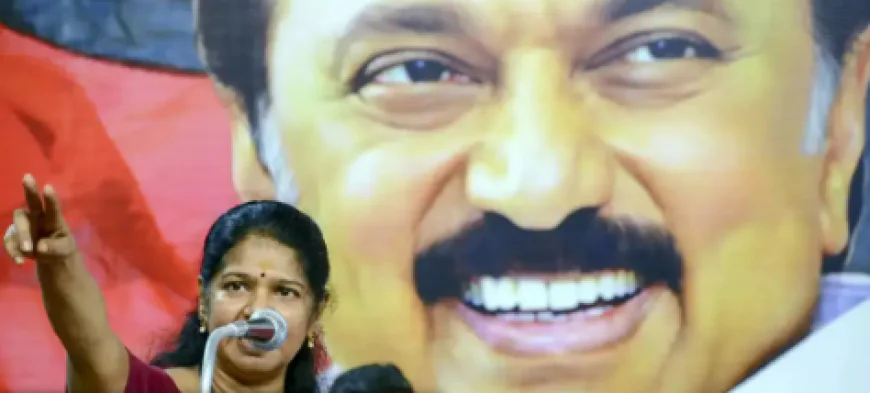
Punching A Hole In Parliamentary Norms
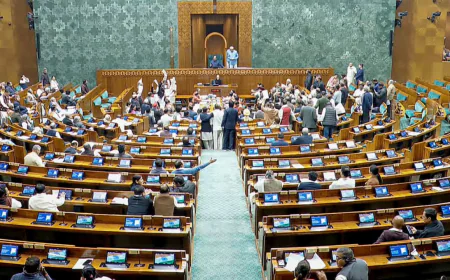
Kanimozhi voiced her frustration that the demand for digital data was being ignored—they were pushing for digital transparency even under circumstances governed by paper. This was during the opposition MPs protest march toward the Election Commission which ultimately, and inexplicably, ceased with several Members this being legislated as open access, briefly detained before they sat on the road to their demise. She said that the divergence between demand and supply is obvious enough with the broader issue bypassing the democratic process, you can only close existing gaps in access to converting access in data into access.
What It Means for Democracy
In contrasting the request for 'digital data', with what they received in the form of 'paper', Kanimozhi illustrated an electoral management body over 30 years old in an outdated system. Digital data can be shared faster, verified quicker, and is more publicly accessible. Paper is slow, awkward, often tampered with. And the implication of Kanimozhi's comments is that this refusal to transition to digital transparency raises urgent questions about fairness and trust in electoral management.
A Broader Pattern of Protest
This is not a one-off moment. This is part of ongoing friction between opposition parties and the Election Commission on electoral transparency, accuracy of voter lists, and how claims are processed. The opposition, in calling for digital data access, has been doing so for some time, especially given the allegations of vote tampering in state and issues with voter data trampling in states like Bihar. Their refusal to provide it simply heightens tensions.
What Comes Next
For India's democracy, this exchange represents an important junction. If the Election Commission, or any other body of the electoral management system took the lead on effective use of digital platforms to share data it would be a step toward friction reduction, trust building and information that is actually public. For now, these comments, the actions of the protestors; reveal frustration with slow reform and unclear intent.