
























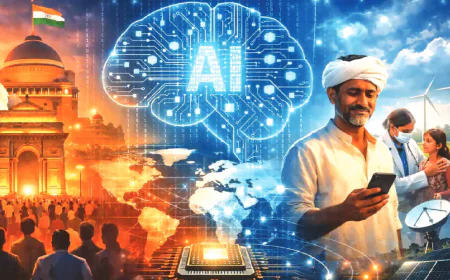










The Workforce of the Future: Balancing Hybrid Work, Upskilling, and Job Shift
The future of work is being rewritten by hybrid models, rapid automation, and a pressing need for reskilling. While AI and digital tools bring efficiency, the true challenge for businesses lies in preparing people—not just processes—for this transformation.


Hybrid Work: More Than Just Flexibility
When remote work became mainstream during the pandemic, it was initially seen as a temporary fix. But in 2025, hybrid models are no longer an experiment—they are a cultural shift. Companies are learning that flexibility is not about choosing between home or office; it is about re-designing workflows, ensuring productivity without burning out employees.
For leaders, the challenge is subtle: how to build trust in teams they don’t always see, how to measure contribution beyond presence, and how to foster belonging in a workforce that logs in from multiple geographies. The businesses that succeed are those that treat flexibility as an asset, not a loophole.

Upskilling: The Lifeline in the Age of AI
Artificial Intelligence is rewriting job descriptions faster than universities can update their curricula. Roles that once needed manual precision are now partially automated, but this doesn’t mean human talent is redundant. Instead, it means employees need to continuously learn—whether in data analysis, digital communication, or creative problem-solving.
Upskilling is no longer a corporate perk; it is survival. Companies that invest in reskilling programs are not just preparing employees for new roles—they are building loyalty and future-proofing their workforce. A coding bootcamp, a digital marketing workshop, or even leadership training in virtual environments can redefine an employee’s career trajectory.

Winners and Losers in Job Shifts
The reality is harsh—some sectors will shrink. Routine clerical tasks, certain manufacturing jobs, and basic customer service roles are already being absorbed by machines. On the other hand, sectors like healthcare, green energy, cybersecurity, and AI-driven product development are growing rapidly.
This duality means society must navigate both optimism and anxiety. For displaced workers, opportunities do exist—but only if upskilling bridges the gap. For businesses, the moral responsibility is clear: technology should complement people, not discard them.

Conclusion
The workforce of the future will not be defined by machines alone but by how humans adapt alongside them. Hybrid work, upskilling, and shifting job landscapes are not isolated trends—they are threads of the same fabric. Businesses that weave them wisely will build not just profits, but resilience and trust in a rapidly changing world.