































Medvedev Blames NATO, Russia Lifts Missile Moratorium, and Signals Further Steps
Dmitry Medvedev states, "NATO has compelled Russia to lift our moratorium on deploying nuclear missile systems" as Russia threatens further actions. The Foreign Ministry of Russia said that the missile moratorium is being lifted due to the expanding Western missile footprint.

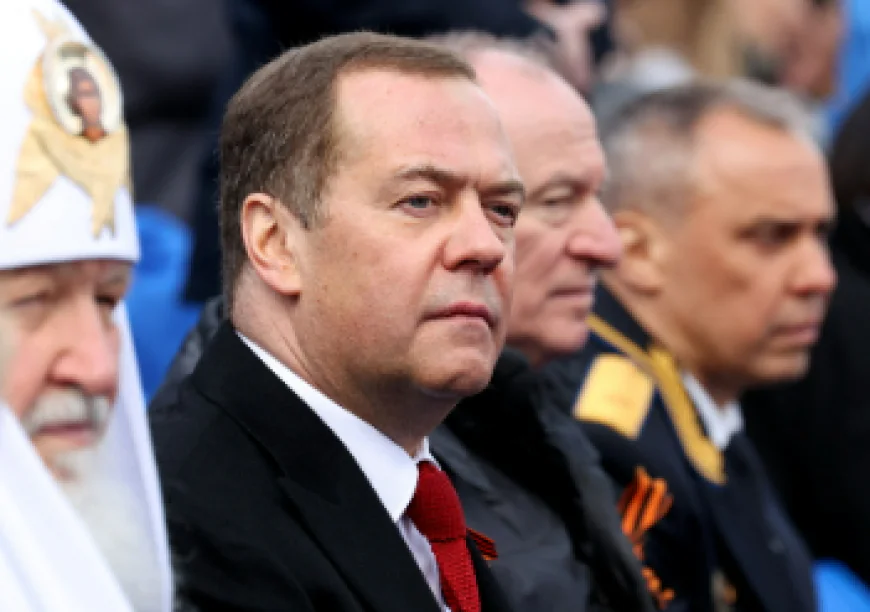
Former Russian President and Deputy Head of Russia’s Security Council, Dmitry Medvedev, announced on X that they will now lift their moratorium on deploying short and medium range nuclear missiles. In a statement he shared with the world, after the Foreign Ministry made an announcement, Medvedev expressed this decision was in response to NATO’s increasingly aggressive posture towards Russia.
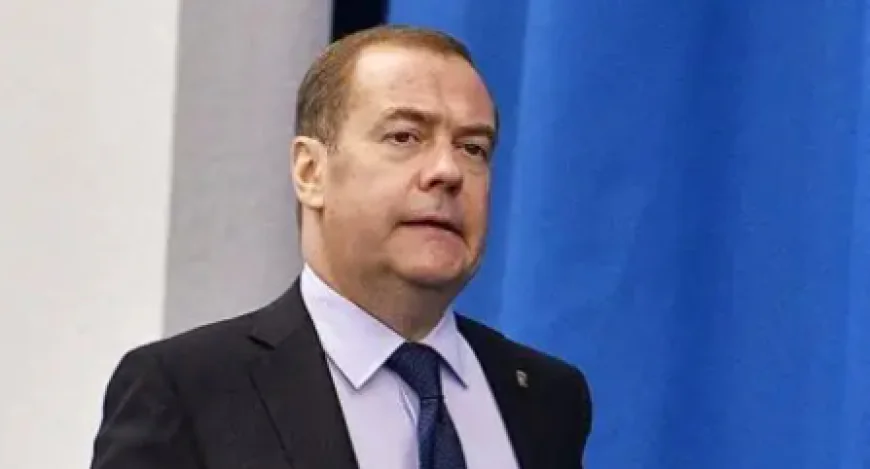
What Did Medvedev Say and Why Does it Matter
Medvedev posted on X:
"More critically, this is a new reality all of our adversaries will have to contend with. Expect additional steps.”
Medvedev charged NATO with ignoring Russia's previous warnings that coerced Moscow to abandon its own voluntary restrictions. The announcement has taken place amid U.S. missile deployment throughout NATO member countries representing Europe and the Asia-Pacific region.
Context: The INF Treaty and its Conclusion
The Intermediate-Range Nuclear Forces (INF) Treaty was negotiated between the United States and the Soviet Union (Russia) in 1987, banning both nations from having ground-based missiles with ranges from 500 km and 5,500 km. The INF treaty died in 2019 when the United States announced it was withdrawing from the treaty, based on Russian Treaty violations. Russia had maintained its own self-imposed moratorium, while allowing for the possibility that the United States might stick to its moratorium, and now claims to be the "first violator."
What's next?
Medvedev did not spell out what the Russian action could be, but said that new Russian actions were being contemplated. Russia's Security Council and leadership will bookend the West's actions relative to redeploying missiles with defining actions of what Russia will do going forward.
Kremlin spokesperson Dmitry Peskov called for caution in the public rhetoric surrounding nuclear notions, and showcased a view that Russia's approach would be rational and strong.
What Experts are Saying
Analysts say, by getting rid of the INF treaty it certainly increases the chance of a renewed arms race. There are points of views that both Russia and NATO could add to military deployments unless the diplomatic channels reopen, which is the concern. Without a doubt, as we know the INF treaty is lost and the New START treaty is set to expire in 2026, rising concerns about the future of nuclear stability are appearing.
Conclusion
Russia's announcement is a significant turning point in nuclear diplomacy as we have known it since the end of the Cold War. Medvedev's statement that there may be "further steps" to come suggests even more tension ahead. While the action underscores Moscow's careful strategy as they respond to inclusion under the umbrella of nuclear deterrence, this development shifts to more tension, and suggests greater responsibility on both sides to prevent misunderstanding and escalation.
As the U.S., Russia and their allies take steps to adjust to these changes in reality and seek to avoid another disaster, part of that adjustment will require a focus on diplomatic engagement and openness to prevent further destabilization.