


































Supreme Court Pushes for Transgender-Inclusive Sexuality Education in India
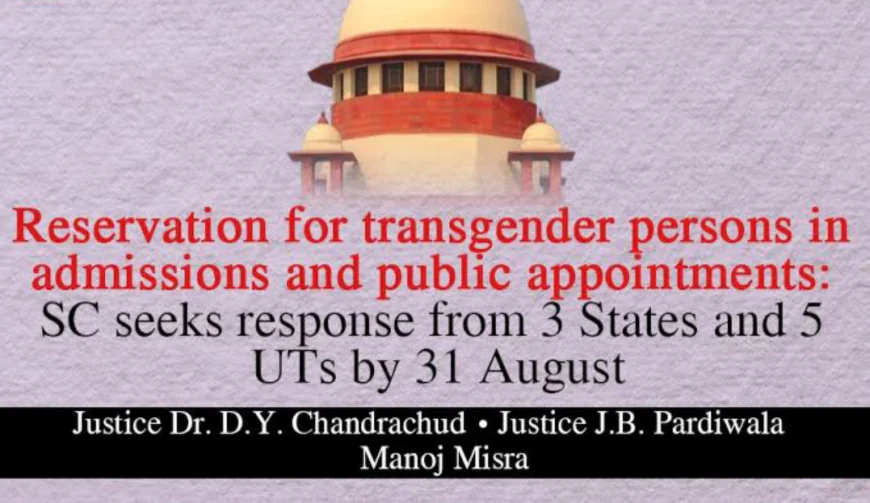
The Supreme Court has called on the Centre, NCERT, and state governments to respond to a petition seeking the inclusion of transgender identities in school sexuality education. This marks a significant moment in India’s journey toward inclusive education, highlighting the need to prepare students for a society that respects gender diversity.

A Step Toward Inclusive Learning
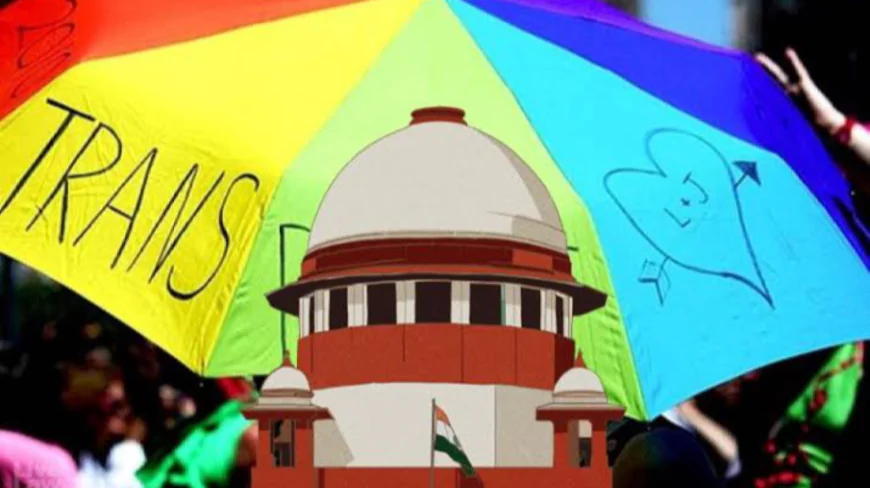
In a historic move, the Supreme Court recently asked the Centre and NCERT to clarify their stance on whether school curricula should explicitly include transgender issues within sexuality education. This comes at a time when India is re-examining how classrooms can better reflect the lived realities of its diverse population.
While sexuality education has long been a contested subject in India, the petition emphasizes that young people must be given accurate, age-appropriate, and inclusive knowledge not just about biology and health, but also about identity, respect, and empathy.
Why Inclusion Matters
For decades, transgender and non-binary individuals have been marginalized in schools, often facing bullying, dropout pressures, and systemic invisibility. By integrating transgender-inclusive lessons, schools can help normalize conversations around gender diversity.
Experts argue that inclusive education not only benefits transgender students but also fosters empathy among their peers. When children are taught to understand difference as a natural part of society, it lays the foundation for acceptance rather than prejudice.
Challenges on the Road Ahead
Despite this progressive push, challenges remain. Sexuality education in India often meets resistance from parents, political groups, and even educators, who fear it could “corrupt” young minds. The reality, however, is that silence leaves students misinformed and vulnerable.
The question is no longer whether India should teach sexuality education, but how it can do so responsibly, ensuring cultural sensitivity without compromising inclusivity. For many activists, including transgender voices in the curriculum is non-negotiable.
A Turning Point for Classrooms
This case could be a turning point. If the Supreme Court’s direction leads to real policy change, classrooms may finally reflect the constitutional promise of equality and dignity for all. Beyond textbooks, this is about creating safe, affirming spaces where every child regardless of gender identity feels seen.
Final Word
The Supreme Court’s intervention is more than a legal directive it is an invitation to rethink how India teaches its children about identity, respect, and humanity. Whether the education system rises to this moment will shape not just classrooms, but the future of inclusivity in Indian society.