
































Rethinking Writing in the Age of AI: Balancing Innovation and Integrity
Generative AI tools like ChatGPT are changing the way students write and teachers assess. While these technologies offer opportunities for learning and creativity, they also raise questions about originality, ethics, and the true purpose of education.

A New Era of Writing
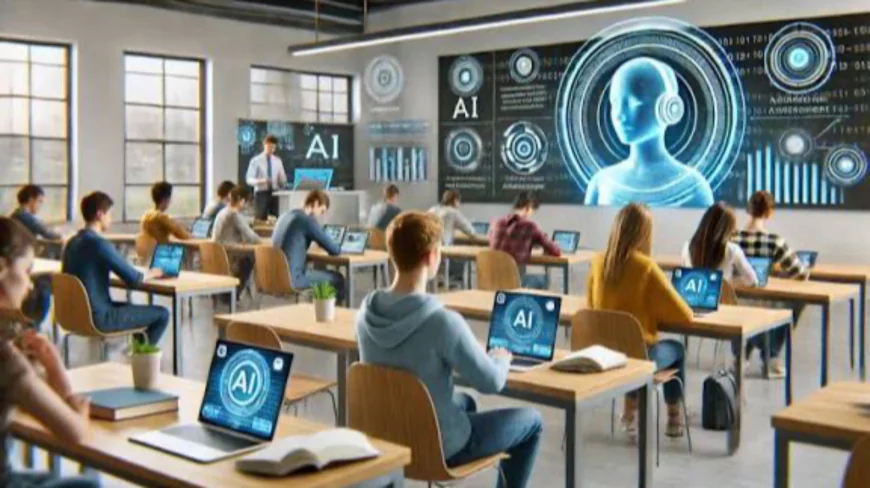
For decades, writing assignments have been the foundation of education, testing a student’s ability to think critically and express ideas clearly. But today, a student can type a prompt into an AI tool and receive a polished essay within seconds. This shift is forcing educators worldwide to reconsider what writing instruction should look like in the digital age.
Opportunities for Learning
AI can be more than a shortcut; it can be a mentor. Students struggling with grammar, vocabulary, or structure can use AI for instant guidance. For learners in multilingual classrooms, it offers real-time translation and feedback, helping them bridge gaps. When used thoughtfully, these tools can foster creativity by providing new perspectives, sample outlines, and inspiration. In fact, some teachers are already integrating AI into lessons as a brainstorming partner rather than banning it altogether.
The Challenge of Integrity
At the same time, the ease of AI raises a serious concern: academic honesty. If a student submits an AI-written essay, is it really their own work? This blurs the line between assistance and plagiarism. Traditional methods of detecting copied text are no longer effective because AI generates original-looking content every time. As a result, educators are rethinking assessments, shifting toward in-class writing, oral presentations, and portfolio-based evaluations.
Redefining Originality
Perhaps the biggest question is philosophical: What does originality mean when machines can write like humans? Originality may no longer lie in perfect sentence construction, but in the depth of ideas, personal experiences, and the human perspective that AI cannot replicate. Writing instruction, therefore, must focus less on polished grammar and more on critical thinking, ethical reasoning, and authentic voice.
Looking Ahead
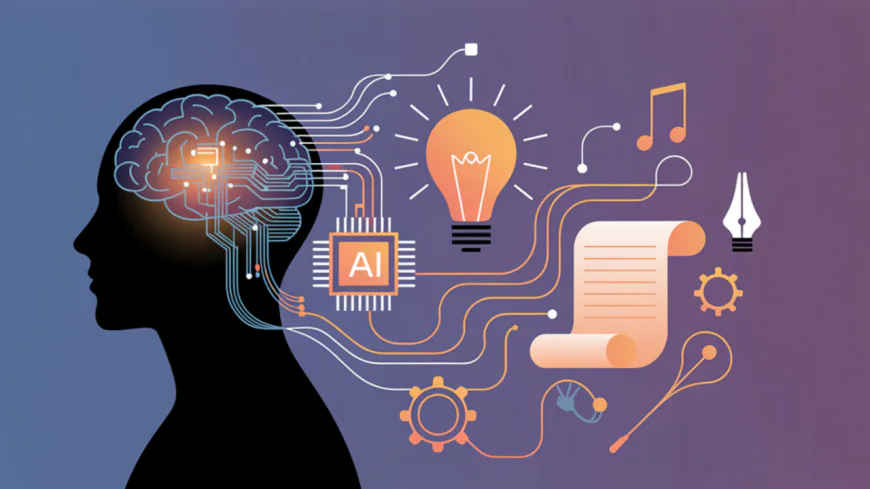
AI is not going away. Instead of resisting it, schools and universities must teach students how to use it responsibly like a calculator for ideas rather than a substitute for thought. The challenge ahead is to strike a balance: embracing innovation while protecting the integrity of learning.