




































Postmortem Sperm Retrieval: How an Israeli Woman Became a Mother 1.5 Years After Her Partner’s Death
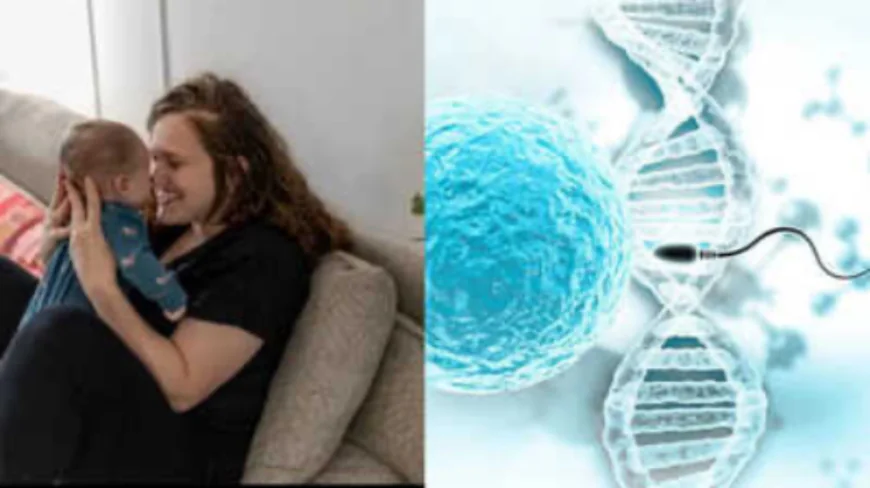
An Israeli woman recently became a mother 1.5 years after her partner’s death, thanks to a procedure called postmortem sperm retrieval. This technique involves extracting sperm from a deceased man’s testicular tissue, preserving it through cryopreservation, and later using it in assisted reproductive technology (ART) like IVF. While medically feasible, the process raises complex ethical, legal, and emotional questions.

What Is Postmortem Sperm Retrieval?
Postmortem sperm retrieval (PSR) refers to extracting sperm from a deceased person, usually shortly after death, in order for a surviving partner to conceive. In Israel, this method has gained more visibility in recent years, especially among military families. The health ministry allows requests from widows or parents, subject to certain legal reviews.
How Is the Procedure Conducted?
1. Timing Matters
• The sooner the retrieval happens, the higher the chances of obtaining viable sperm.
• While a 24-hour window after death is considered ideal, live sperm has been successfully retrieved up to 36 hours later in some cases.
2. Techniques Used
• A urologist or fertility specialist may perform a testicular biopsy (TESE) to remove tissue.
• Alternatively, surgical removal of the testis or epididymis may be done.
• Once retrieved, tissue is examined under a microscope, viable sperm cells are identified, and everything is cryopreserved (frozen in liquid nitrogen).
3. Future Use
• The frozen sperm is mostly used via intracytoplasmic sperm injection (ICSI)— a form of IVF that works well even with small or less motile samples.
• Before the sperm is used, many guidelines recommend a psychological evaluation and a waiting (bereavement) period.
Legal, Ethical & Social Dimensions
• Consent: In Israel, the use of a deceased person’s sperm often requires family or court approval.
• Wishes of the Deceased: A major ethical debate is how to interpret whether the deceased actually wanted children through this method — especially if there was no explicit prior consent.
• Rights of the Child: Questions arise about the child’s future, inheritance, and the meaning of parenthood when one biological parent died before the child’s conception.
• Cultural Factors: In Israel, pronatalist values and the prominence of family continuity influence how PSR is perceived and regulated.
Why This Case Matters
This story is striking—not just scientifically but emotionally. It highlights how cutting-edge fertility medicine can address deep personal loss. It also forces society to confront difficult questions: What does “consent” mean after death? Who gets to decide whether a person’s genetic legacy continues? And how do we balance grief with the future?
For the woman in question, the procedure offered a way to honor her partner’s memory, giving her child a biological connection to the man she loved. But for lawmakers, bioethicists, and families, it’s a reminder that medical advances often outpace our moral playbooks.