





































Main Heading: How to Write a Powerful UCAS Personal Statement: 5 Expert-Backed Tips for Authenticity and Impact
Crafting a UCAS personal statement can feel daunting — it’s your one chance to tell universities who you are beyond grades and test scores. Admissions officers read thousands of essays, so authenticity, clarity, and self-awareness stand out. Here are five expert-backed tips to help you write a powerful, genuine story that connects with UK universities.

1. Start with reflection, not writing
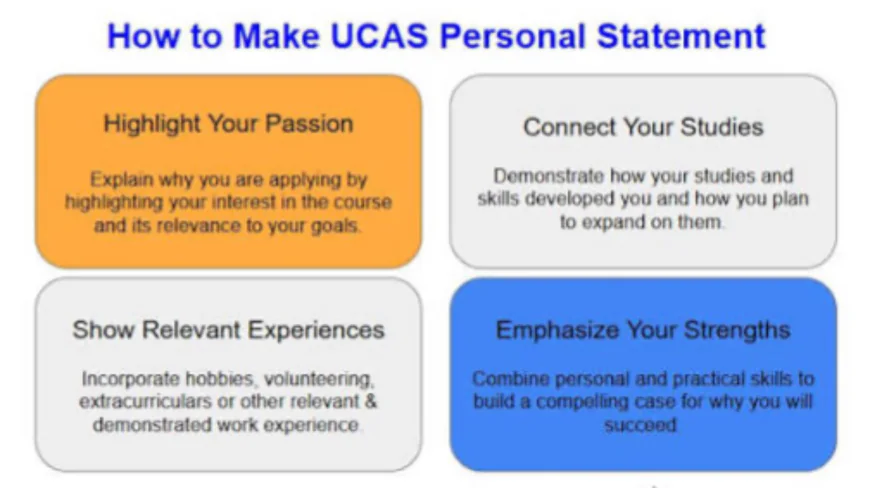
Before typing a single word, take time to reflect on your why. Why this subject? What experiences shaped your interest? The most persuasive statements come from self-awareness, not fancy vocabulary. Make a list of defining moments — a project, a failure, a conversation, or even a book — that sparked your curiosity. Then connect those experiences to your academic path
2. Show evidence of genuine engagement
UK universities love passion backed by proof. Instead of simply saying “I’m interested in psychology,” show how you’ve explored it — through volunteering, research, shadowing, or even podcasts and reading. Briefly explain what each experience taught you rather than just listing it. This turns your narrative from a résumé into a reflection.
3. Balance academics with personality
While the UCAS statement focuses on academics, universities also want to see your individuality. Mention extracurriculars that shaped your character — leadership, teamwork, resilience, or cultural perspective. If you play a sport or an instrument, share what it’s taught you about discipline or creativity. Keep it concise but meaningful.
4. Mind your tone and structure
Admissions tutors value clear, structured writing. Avoid clichés like “ever since I was a child” or “I’ve always been passionate about…” Instead, write with sincerity. Divide your statement into three parts:
• Introduction: Hook the reader with what drives your academic curiosity.
• Body: Expand on skills, experiences, and achievements that support your choice.
• Conclusion: Tie everything together with your aspirations for the future.
Keep sentences crisp — clarity always beats complexity.
5. Revise, rest, and refine
Great personal statements aren’t written in one sitting. Write your first draft freely, then revisit it after a few days with fresh eyes. Ask a teacher or mentor for feedback but make sure your voice remains intact. Proofread for grammar and flow admissions officers can spot rushed or copy-pasted content instantly.
In essence, your UCAS statement isn’t about perfection it’s about authenticity. Tell your story with honesty, link it to your academic goals, and let your enthusiasm speak naturally. A heartfelt, well-structured narrative will always resonate more than a polished but impersonal one.