


























India’s Sports Industry Enters a New Era of Growth
India’s sports sector is no longer just about cricket. With e-sports, franchise leagues, analytics, and world-class infrastructure taking center stage, the industry is on a trajectory that could redefine the nation’s global sporting identity.

Cricket No Longer the Sole Star
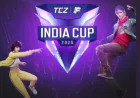
For decades, cricket was the undisputed heartbeat of Indian sports. Stadiums filled up, brands poured money in, and the game shaped national conversations. While cricket still enjoys unmatched dominance, the story today is different. Kabaddi, football, badminton, and even e-sports are now claiming attention from fans and investors alike. The Pro Kabaddi League’s popularity and the Indian Super League’s steady rise show that India is open to sporting diversity.

Technology as the New Coach
From wearable fitness trackers to AI-driven performance analysis, technology is rewriting the way Indian athletes train and fans engage. Start-ups are building platforms for fantasy sports, live data analytics, and immersive fan experiences. This digital layer not only modernizes training but also creates a new economy around sports technology.
Private Capital Meets Public Policy
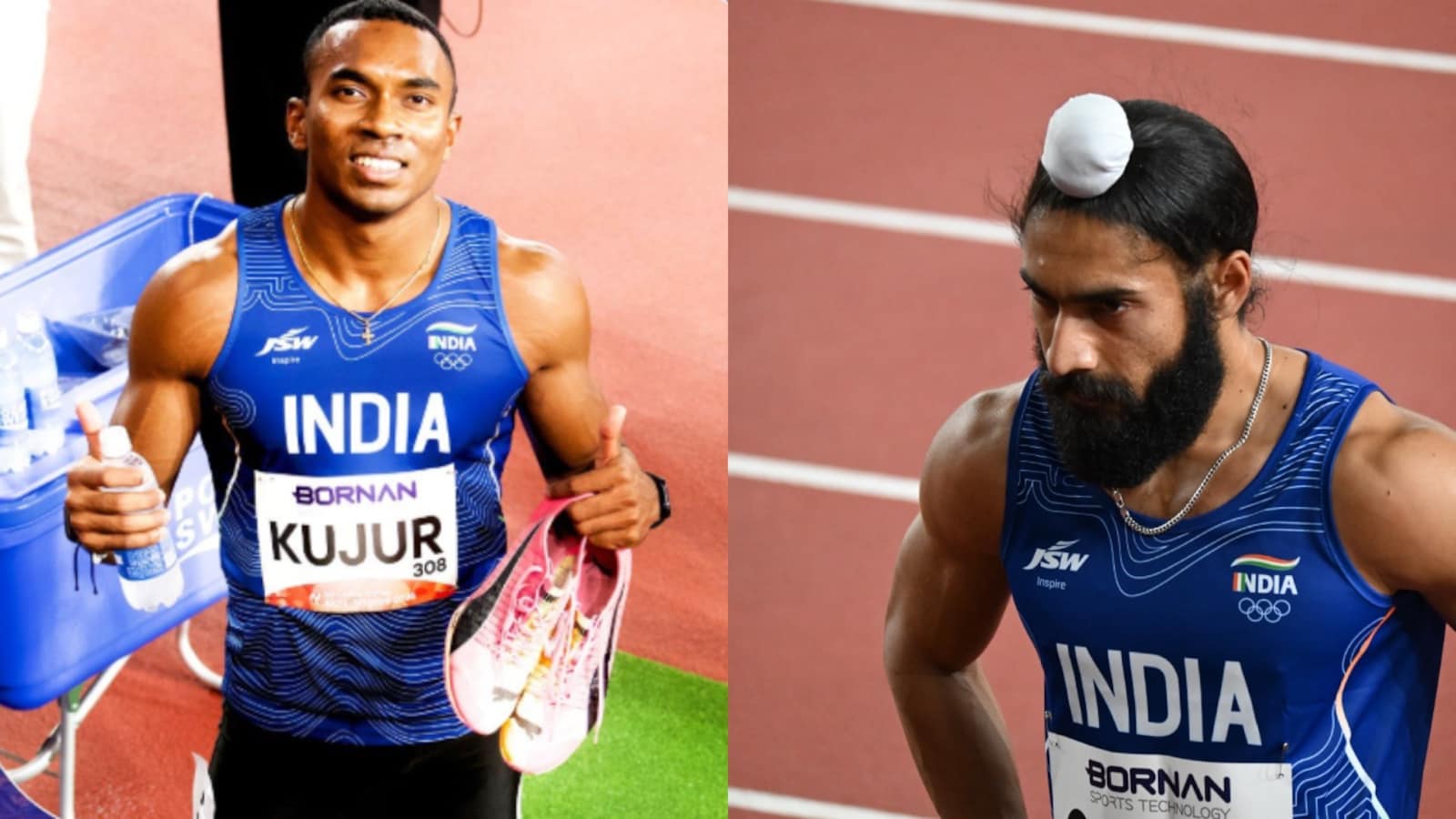
The sports boom isn’t just a cultural shift; it’s also financial. Private investors see sports leagues and e-sports tournaments as future revenue streams, while the government is stepping in with infrastructure projects and policies like the new National Sports Policy 2025. The synergy between state initiatives and private capital could finally bridge India’s long-standing gap in global sporting competitiveness.

Fans as Active Stakeholders
Today’s Indian sports fan is no longer a passive spectator. Whether it’s through fantasy gaming apps, NFT-based sports memorabilia, or interactive streaming platforms, fans are directly involved in shaping the market. This shift has expanded the sports industry into lifestyle, entertainment, and tech.
India vs Asia: The Bigger Picture
Compared to China, Japan, or South Korea, India is still in its early stages of building a holistic sports economy. Yet, the sheer size of its youth population and rising disposable incomes give it a unique advantage. If nurtured well, India could soon be a sporting hub not just for Asia, but for the world.
Conclusion
The Indian sports industry stands at a crossroads where tradition meets innovation. Cricket may still be king, but the throne room is getting crowded. With investment, technology, and a new generation of fans, India’s sports landscape is set to become one of the most dynamic markets globally.