






























India’s $4 Billion Critical Mineral Mission: Building a Secure Future for Clean Energy and EVs
India is taking a major step to secure its clean energy future by investing $4 billion in a global mission to source critical minerals like lithium, cobalt, and nickel. With strategic partnerships in countries like Zambia and Chile, this move aims to reduce dependency on China and strengthen India’s electric vehicle (EV) and renewable energy ecosystem.

Why Critical Minerals Matter
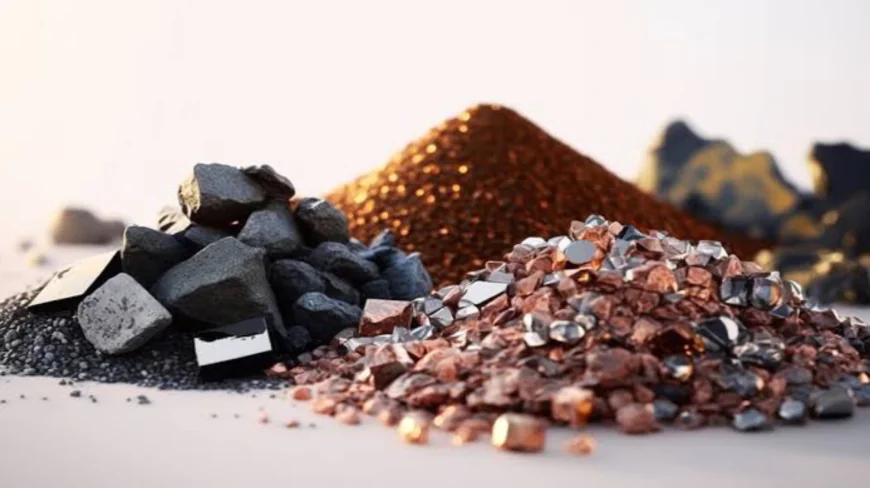
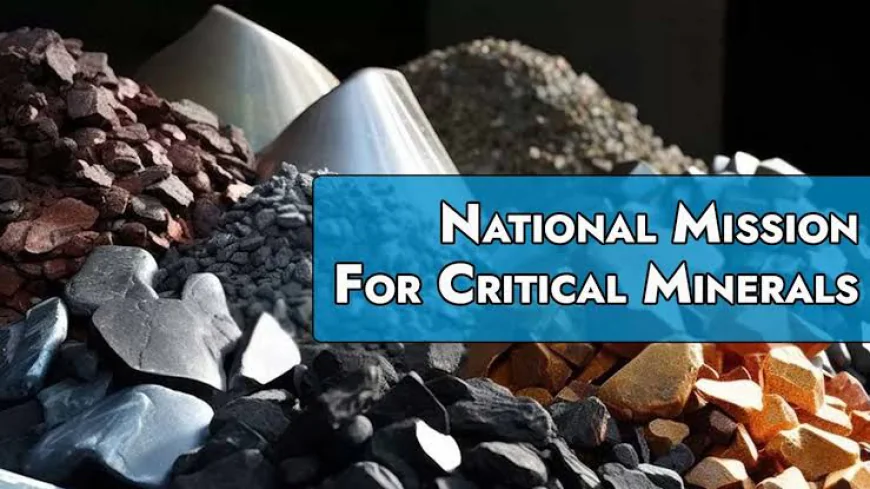
As the world shifts towards sustainable energy, minerals such as lithium, cobalt, and nickel have become as valuable as oil once was. These minerals are essential for producing batteries used in electric vehicles, solar energy storage, and electronic devices.
Currently, China controls a major share of the global supply chain, from mining to refining. This dependency creates a vulnerability for countries like India, which has ambitious EV and renewable energy targets under its Net Zero 2070 plan.
India’s Strategic Push
The Indian government has launched a $4 billion mission to secure these resources from reliable partners. Recent talks with Zambia, a key source of cobalt and copper, and Chile, one of the world’s largest lithium producers, highlight India’s global outreach strategy.
By investing directly in overseas mines and forming joint ventures with local companies, India aims to gain long-term access to raw materials while also creating refining and processing hubs domestically. This will not only support the EV industry but also attract foreign investors to India’s growing green energy sector.
Boost for the Domestic Market
A secure supply of critical minerals will accelerate India’s transition to electric mobility. Automakers will benefit from lower costs and a more stable battery supply chain, while startups in the EV ecosystem can innovate without the risk of raw material shortages.
Moreover, this initiative will create jobs in mining technology, battery production, and logistics. It is also expected to reduce India’s import bills over the next decade by replacing expensive Chinese imports with self-managed resources.
The Road Ahead
India’s mineral diplomacy reflects a forward-looking vision where energy independence meets global partnerships. However, challenges remain, including environmental concerns, geopolitical competition, and the need for advanced processing technologies.
If executed well, this $4 billion mission could transform India into a global hub for green technology, powering its EV revolution and cementing its role in the future of clean energy.