






































Government Forms Panel to Review JEE & NEET Difficulty: A Step Towards Reducing Coaching Dependency
In a major move to reform India’s competitive exam landscape, the government has set up a panel to assess the difficulty level of JEE and NEET. The goal is to align these entrance exams more closely with school curricula and reduce students’ reliance on expensive coaching centers. This step could redefine how young aspirants prepare for India’s most challenging academic gateways.

A Long-Awaited Reform in Entrance Exams
Every year, lakhs of students dream of cracking JEE or NEET, but for many, that dream comes with the burden of coaching fees, relocation, and mental stress. Recognizing this, the government has finally taken a concrete step by forming a panel of experts to review whether the current level of difficulty in these exams truly reflects what students learn in school.
The panel includes senior academicians, NCERT curriculum designers, and members from testing agencies. Their mandate is clear evaluate if the paper patterns can be made more balanced, fair, and accessible to all, regardless of coaching background.
Leveling the Playing Field
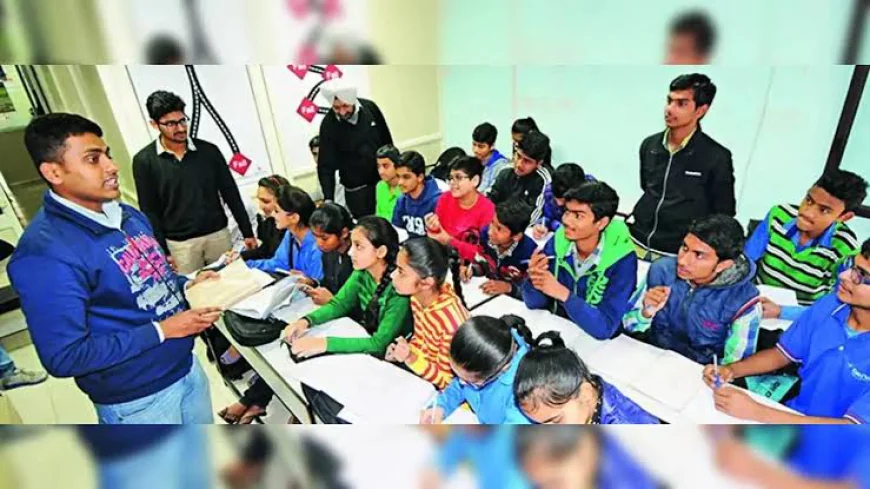
In recent years, JEE and NEET have become synonymous with intense competition and sky-high cutoffs. Coaching hubs like Kota and Hyderabad have turned into ecosystems of pressure, often overshadowing the essence of learning. The new review aims to restore that balance by ensuring that school education, particularly NCERT-based learning, becomes sufficient for exam preparation.
If implemented effectively, this move could make the system more equitable. It would also reduce the urban-rural gap, giving talented students from small towns a fair chance to compete without needing expensive external coaching.
Mental Health and the Student Experience
The psychological toll of exam preparation has been a growing concern. The government’s initiative indirectly acknowledges this issue by attempting to reduce the unnecessary academic overload. If the exams become more curriculum-aligned, it could encourage healthy learning habits instead of rote memorization and burnout.
A New Direction for India’s Education System
This reform could mark a shift in how India defines academic excellence from mastering tricks to understanding concepts. The focus on fairness, accessibility, and mental well-being reflects an evolving education policy that values both knowledge and balance.
If the panel’s recommendations are implemented wisely, the next generation of JEE and NEET aspirants might finally prepare with confidence, not compulsion.