






























Delhi University’s Bold Step: Adolescent Education Through Films, Media, and Real-Life Projects
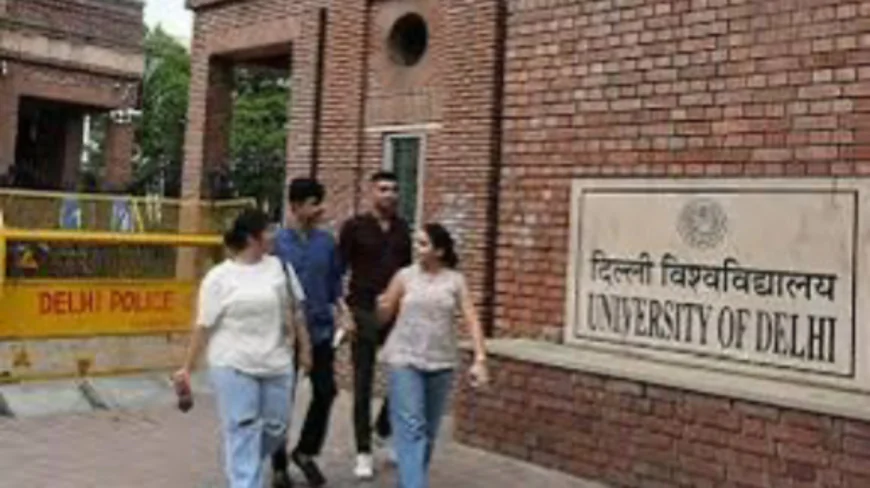
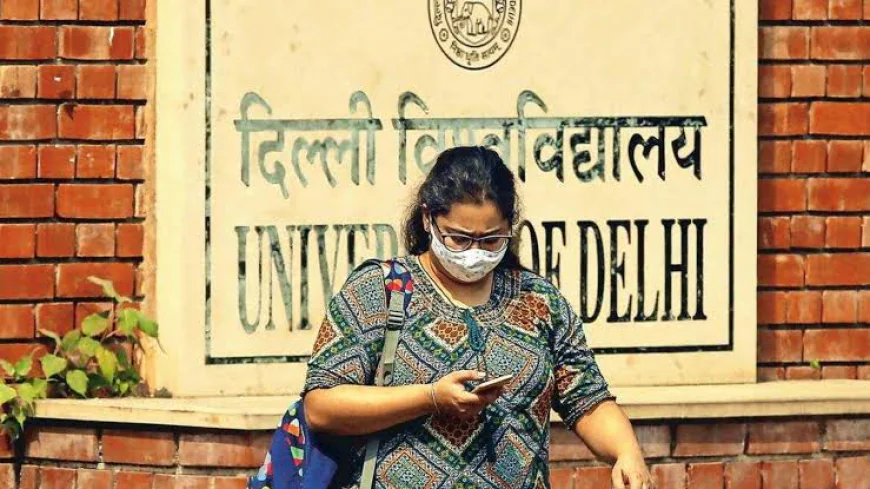
Delhi University (DU) has introduced a refreshing elective, Adolescent Education in India (DSE 10), that breaks away from traditional teaching models. By exploring adolescence through Bollywood films, women’s magazines, popular media, and youth projects, the course signals a progressive shift in how higher education engages with social and emotional development.

Why This Course Matters
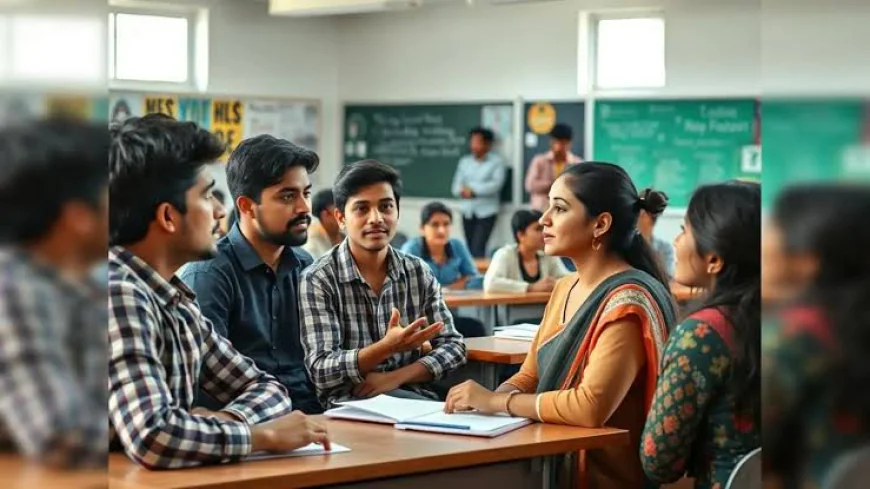
Adolescence is often described as a turbulent yet transformative phase. While schools and families focus heavily on academics, conversations around identity, relationships, sexuality, and mental health are still treated as taboo in many Indian households. By formally bringing these topics into classrooms, DU is creating a safe, structured space for young adults to learn, discuss, and reflect.
Learning Beyond Textbooks
Instead of relying solely on academic theories, DSE 10 adopts a fresh pedagogical approach. Bollywood films, for instance, are analyzed not just for entertainment value but for how they portray adolescence—whether it’s rebellion, peer pressure, or aspirations. Women’s magazines and media are studied to understand how body image, beauty standards, and gender roles are shaped. Such real-life examples make the subject more relatable and engaging for students.
Addressing Marginalized Voices
Another distinctive aspect of the course is its focus on marginalized youth. Assignments and projects encourage students to explore the experiences of those who often get excluded from mainstream narratives—children from low-income families, rural adolescents, LGBTQ+ youth, and others. This ensures that the discourse is not limited to urban, privileged perspectives but represents India’s diversity.
A Progressive Move for Higher Education
By integrating elements of social, emotional, and sexual health into its curriculum, DU is acknowledging that education must go beyond marks and degrees. It’s about preparing students for real life helping them understand themselves, respect differences, and challenge unhealthy stereotypes.
Conclusion
Delhi University’s Adolescent Education in India course is more than just an academic elective; it’s a cultural shift. At a time when India’s youth face unprecedented exposure to media and technology, equipping them with critical thinking, empathy, and awareness could prove to be as vital as any professional degree.