




































Climate Education: Teaching Sustainability to the Next Generation
As climate change becomes an undeniable global reality, schools are taking responsibility for shaping environmentally conscious citizens. Climate education is no longer limited to science textbooks — it’s now a vital movement helping students understand sustainability, take real-world action, and build a future that values balance with nature.

A Growing Need for Climate Awareness
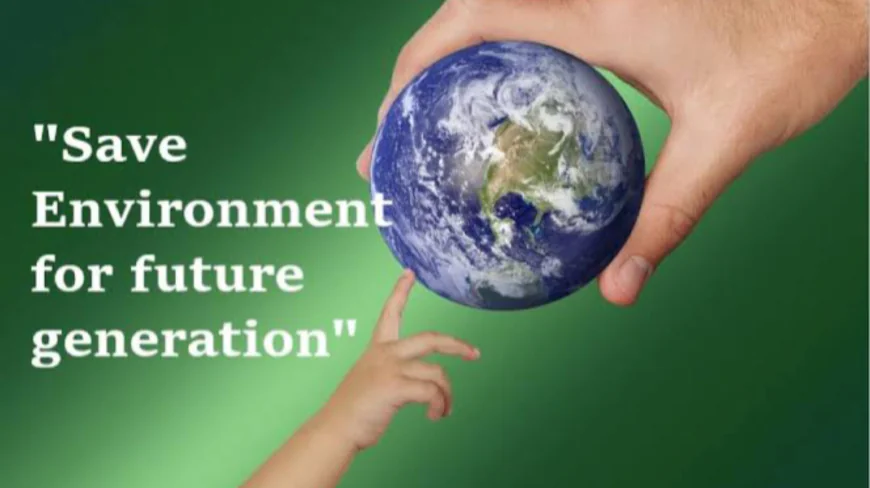
The urgency of climate change has reached every corner of the globe. Rising temperatures, melting glaciers, and unpredictable weather patterns have turned environmental literacy into a necessity, not a choice. Children growing up today will face challenges far greater than any generation before — from food security to water scarcity. That’s why schools worldwide are beginning to treat climate education as a fundamental life skill rather than an optional lesson.
Beyond Textbooks: Learning Through Action
Modern classrooms are reimagining how sustainability is taught. Instead of rote memorization, students now engage in hands-on projects — planting school gardens, organizing recycling drives, and measuring their school’s carbon footprint. These activities transform abstract science lessons into tangible experiences. Many schools have introduced “green clubs” that encourage teamwork, leadership, and accountability toward the planet.
In India, for instance, several CBSE and ICSE schools have integrated environmental studies into daily learning, connecting climate awareness with subjects like geography, economics, and literature. Students write essays on renewable energy, study local ecosystems, and even debate environmental policies — learning that real change begins with informed thought.
Teachers as Climate Mentors
Educators now play a dual role — teaching subjects and guiding eco-conscious behavior. Workshops and training programs help teachers design lessons that connect sustainability to daily life. Whether through art, technology, or storytelling, climate education is becoming interdisciplinary, encouraging creativity while nurturing responsibility.
Preparing Citizens for a Sustainable Future
True climate education is not about fear but empowerment. It gives students the tools to make better choices — conserving energy, reducing waste, and advocating for policy change. The aim is to create a generation that doesn’t just inherit the Earth but actively protects it.
Conclusion
The classroom has become the starting point for environmental transformation. By making sustainability a central theme in education, we’re teaching young minds that the planet’s future rests in their hands. Climate education isn’t only about preserving nature — it’s about preserving hope for generations to come.