


































Tensions escalate as Punjab initiates its largest-ever land pooling scheme across 158 villages
As part of a new policy called "land pooling" that aims to make cities bigger, Punjab has started what is being called the state's biggest-ever land-acquisition drive. The plan covers over 40,000 acres spread across 158 towns. A lot of people are protesting this huge push, and the political pushback is getting stronger.

As part of a new policy called "land pooling" that aims to make cities bigger, Punjab has started what is being called the state's biggest-ever land-acquisition drive. The plan covers over 40,000 acres spread across 158 towns. A lot of people are protesting this huge push, and the political pushback is getting stronger.
The Ludhiana district is at the centre of the dispute; nearly 23,000 acres spread out over 44 villages have been set aside. On June 16, villagers held protests outside the office of the Greater Ludhiana Area Development Authority (GLADA). They said that the government was working with real estate mafias.
Amritsar (4,400 acres), Mohali (3,500 acres), Jalandhar and Pathankot (each 1,000 acres), and Bathinda (850 acres) are some of the other areas. A number of other areas have also been talked about. More than 15,839 acres in 76 towns (besides Ludhiana) have been made available for people to help out if they want to.
The government's reasoning and decision-making
Punjab Finance Minister Harpal Singh Cheema called the move "a bold reform." He stressed that the land pooling model is voluntary and is meant to turn farmers into stakeholders by giving them fully developed residential and commercial plots, better infrastructure, smarter connectivity, and possibly up to 4 times their initial investment back.
The policy builds on a plan that the Punjab Cabinet passed in June. That plan promised that landowners would not be taken without their permission, that the government would get written permission (NOCs) from them, and that they would be paid up front during the development phase—roughly Rs 30,000 per acre per year for up to three years.
Protests and pushback from politicians
Even though promises were made, pushback is growing:
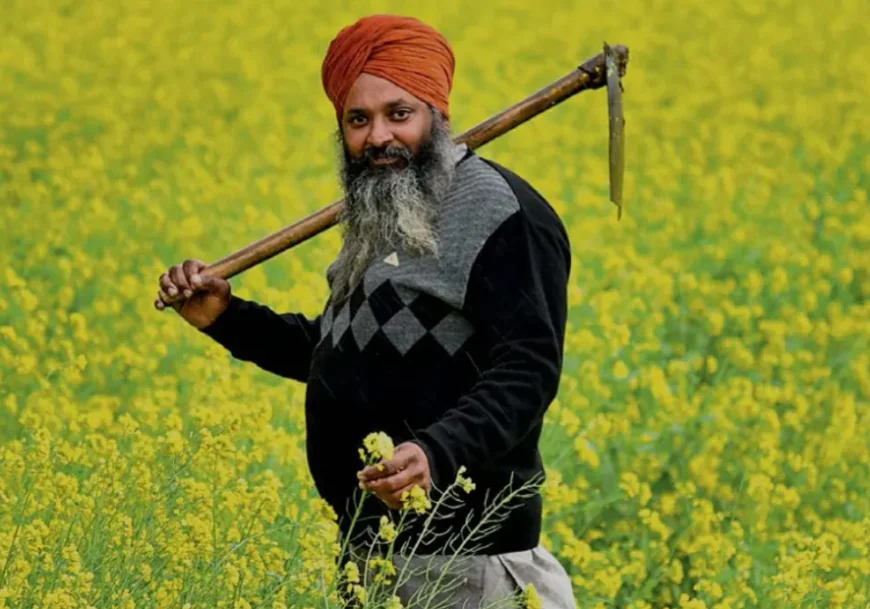
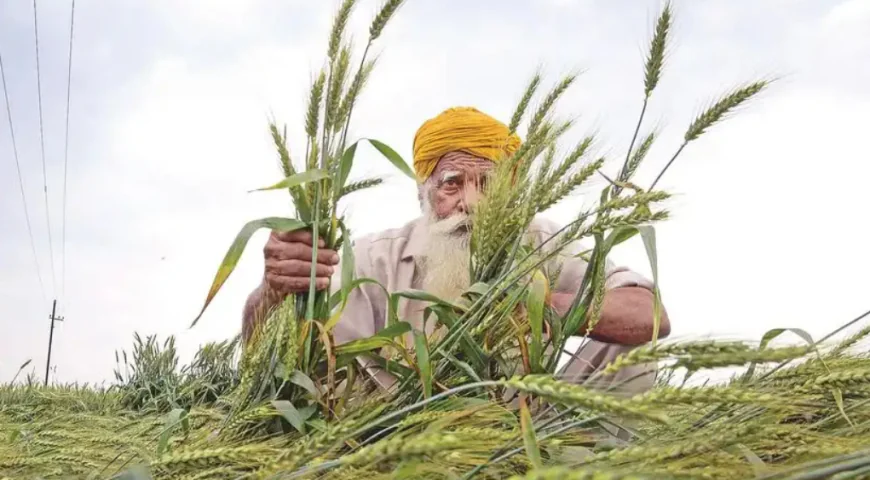
A lot of farmers and campaigners say that good land for farming is being given up for speculative real estate, which doesn't seem to help create jobs. Economist S.S. Joshi warned against unplanned horizontal urban sprawl and called out the waste in earlier projects that weren't being used to their full potential.
Congress leader Amrinder Singh Raja Warring in Chandigarh said the plan was an attempt to "collect money" that would destroy the agricultural economy. He said that losing 24,000 acres in Ludhiana alone could hurt the state's food security and make it harder for people to make a living.
Sunil Jakhar, a spokesman for the BJP, said that the AAP government was using Punjab as a "ATM" to fund its urban goals by taking away protections from the 2013 LARR Act, which made "bait-and-grab" tactics possible.
The Shiromani Akali Dal said the policy was dishonest and unclear, and they asked how the government could afford the ₹25 crore needed to build on the land it had bought.
Small farmers in Mohali are also protesting, saying that the plan hurts marginal landholders by making plots smaller and getting rid of business allotments.
Concerns about food security and the ability to pay the bills
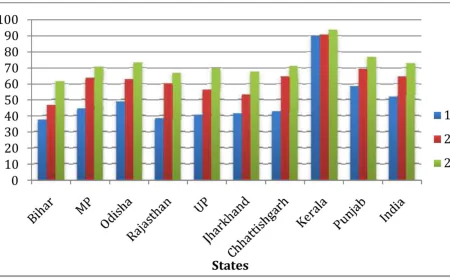
Officials say that moving 40,000 acres of good farmland to other uses could cut paddy production by 150,000 tonnes per year, which would put Punjab's food security at risk. Economists also say that the fact that 42% of people in the state live in cities, which is higher than the national average of 31%, shows that horizontal growth may not be needed and can't be sustained.
What's coming up?
Now that the elections are over, the government is moving forward with the rollout in Ludhiana, but no clear dates have been given. This strategy will only work if people truly agree to it, if development is open and honest, if promised infrastructure is built, and if farming communities are given good alternatives.