































Supreme Court Resumes Hearing on Presidential Reference: Key Debates on Gubernatorial Powers and State Rights
The Supreme Court resumes hearing on a Presidential Reference under Article 143, addressing the powers of Governors and the President in handling state bills. The case, pivotal for India’s federal structure, explores state autonomy versus central oversight.

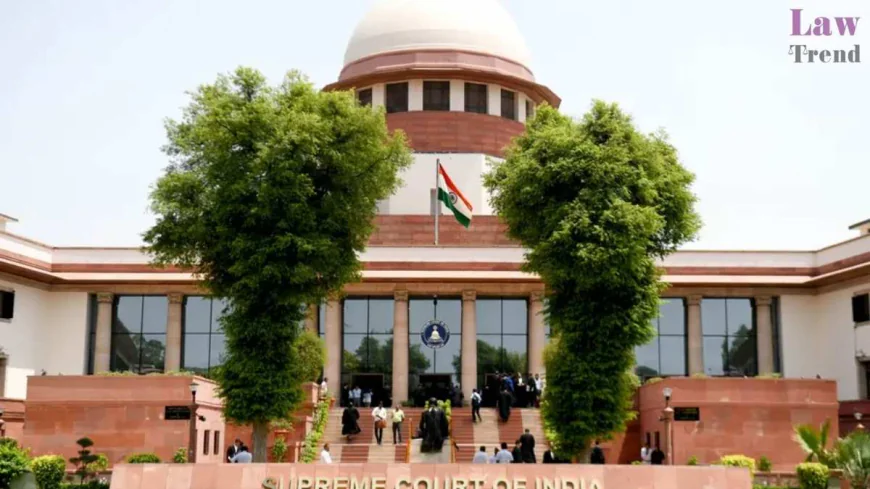
September 2, 2025, in New Delhi. Today, the Supreme Court of India will continue its close examination of a Presidential Reference under Article 143 of the Constitution. The court wants to find out more about the Governors' and the President's powers when it comes to bills passed by state governments. The five-judge Constitution Bench, led by Chief Justice B.R. Gavai, will build on last week's statements and deal with the rising tensions between the Centre and states run by the opposition over federalism and the limits of the Constitution.
Where the Presidential Reference Came From
The reference was started by President Droupadi Murmu based on advice from the Union Cabinet. It asks the highest court to rule on important legal issues that affect a lot of people. It comes after a major Supreme Court decision earlier this year that gave Governors and the President strict deadlines for acting on bills passed by their states. The decision also said that these kinds of choices can be reviewed by the courts, which changes how people think about executive discretion in India's federal system.
What the Centre Thinks About Executive Power
On August 28, Solicitor General Tushar Mehta, speaking for the Centre, told the bench that states can't use Article 32 of the Constitution to question the actions of the President or Governors on bills, even if they are thought to violate basic rights. "The President wants the court's opinion on whether states can file writ petitions under Article 32 for such violations," Mehta said, adding that the president and governors have a lot of power in this situation that is hard for states to challenge.

States Fight for Legislative Independence
In a strong response, Tamil Nadu, led by senior lawyer Abhishek Manu Singhvi, supported the independence of the state. Singhvi disagreed with the Centre and BJP-led states' claims that Governors have "wide discretion." He said that a Governor cannot be a "super Chief Minister." "There cannot be two swords in the same scabbard" was a powerful image he used to show that the Governor's job is below that of the elected state government. Singhvi also called the Governor "at best a lubricator, a facilitator, but not a legislator." This meant that the Governor's job was to help with government and not to override the will of the legislature.
Politics and Tensions at the Federal Level
The reference comes up during a time of political unrest, especially in states run by the opposition like Tamil Nadu, Kerala, and Punjab, where governors have delayed or refused to sign bills. Some people say that these actions go against the federal principles in the Constitution, but the Centre says that they are important for national unity and are in line with the Constitution. The points on August 28 made this difference clearer; Tamil Nadu asked the court to reiterate that Governors have limited roles in the legislative process.
Constitutional Framework and the Role of the Judiciary
Article 143 says that the President can ask the Supreme Court for advice on issues that affect the whole country. In order to hear from all parties, the court can set up a bench, which is usually made up of five or more judges. The result of this reference could change the relationship between the Centre and the states, making it clearer how much judicial review there is and how power is distributed in India's quasi-federal system.
What's to Come
Legal experts think that the meeting will go into more depth about judicial review and federal balance when it starts up again. The bench might talk about whether states can go straight to the Supreme Court to uphold basic rights in these kinds of cases. The procedures make the judiciary's role as the arbiter of Centre-state conflicts clear, which has a big effect on the government. Depending on how the court sees it, the reference could either make states more independent or make the central government more watchful.