




































Smoke & Mirrors: Delhi-NCR’s AQI Skyrockets After Diwali – Here’s What You Need to Know
Delhi-NCR experiences severely polluted air quality after Diwali. Learn what caused the spike in pollution and how you can protect yourself.

Introduction: The Morning After Diwali Is Full of Sorrow
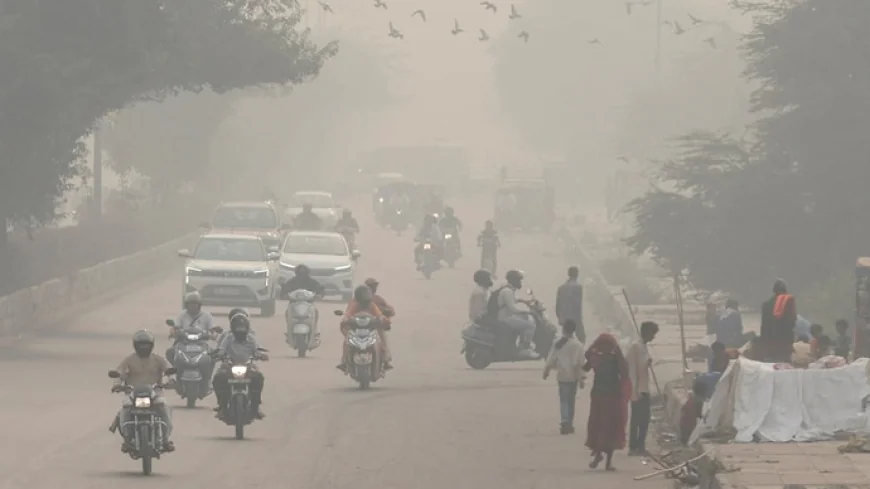
After the bright Diwali fireworks and the happy atmosphere at night, the morning of heavy smog has come for the people of Delhi-NCR. Last night’s celebrations came to an end with thick layers of pollution covering the city’s skyline and pushing air quality to the highest levels ever measured. The latest pollution figures released this morning are almost a record of the environmental cost of celebrations people have let themselves indulge in without thinking about the planet. Once again, Delhi is struggling to breathe the day after Diwali.
Delhi’s AQI Falls to “Severe” Category
The most recent data show that the Air Quality Index (AQI) of Delhi went up to 451, which means that the city is firmly in the “severe” zone. The situation is just as bad over the border in the districts of the NCR, where Noida had an AQI of 407 and Gurgaon 402. The main pollution centers such as Anand Vihar, Wazirpur, and Dwarka had significantly higher values, indicating that the entire Delhi metropolitan area is affected by the problem. The toxic haze has lowered visibility and has made air that is almost unbreathable in many localities.
What Caused the Sudden Spike?
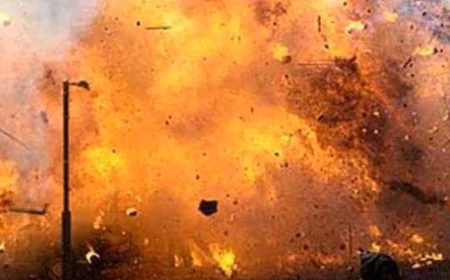
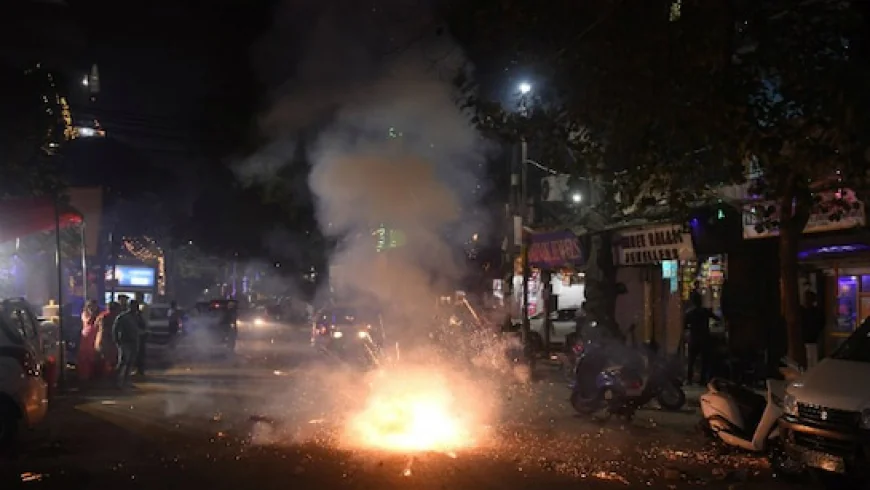
The rise in pollution levels is a runaway-factor that has overlapped at the same time. Firecracker bans have been put in place, but people still burst them all over the night, and this activity is the main source for the newly released pollutants that are in the air in very high concentrations. Besides having no wind, the city is experiencing a cold snap, and therefore, the pollutants are not going away and staying at the surface. It is difficult to say how much police enforcement was done during Diwali eve as there were still many people out there who broke the rules, and this fact made it almost impossible if you wanted to escape the toxic haze of this year’s post-festival AQI.
What Health Problems Could Arise from That?
Reading of the AQI above 400 must be understood as a call for the health of the people concerned, not just as a number. There may be irritations of the respiratory tract manifesting in coughing, eye irritation, or shortness of breath after long exposure to this condition. Children, the elderly, and people with respiratory or cardiac diseases are even more vulnerable. In fact, everyone in good health might at the same time experience fatigue, dry throat, and chest constriction.
What Can You Do to Help Yourself?
On the other hand, if people take misdemeanors like air pollution seriously and at least try to help themselves by taking some necessary precautions, there might be a chance for them not to be affected by the situation. Do not work out or do any other activity that requires you to be outdoors for a long time and during the morning or evening hours when pollution is at its peak and even be exposed to an attack in these periods. If you must go outside, please wear an N95 or N99 certified mask. Window closures, air purifiers at home, and drinking water to clean your body of toxins are recommended.
Conclusion
Delhi-NCR is now, according to the government report today, under severe air pollution again, with AQI going beyond the "severe" level. While the festival of lights gave delight and brightness, its aftermath has resulted in a net negative impact on the environment.