






































PSLV didn't even survive seven minutes in space! ISRO halts usage, introduces a new rocket

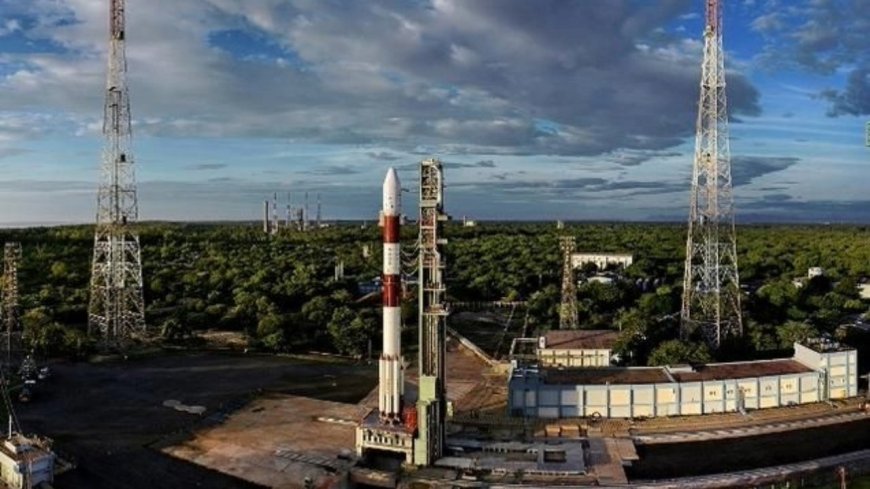
The Indian Space Research Organisation (ISRO) has halted the usage of the PSLV rocket temporarily. The June mission has been assigned to another rocket. From June 18 to July 17, the Geosynchronous Satellite Launch Vehicle or GSLV F-16 rocket will be utilized. Orders have already been given in that respect.
NISAR: A Collaborative Earth Imaging Mission
In the next month, ISRO will launch the costliest 'Earth Imaging Satellite' in the world in collaboration with the NASA space research agency of America. Its name will be 'NISAR' or NASA-ISRO Synthetic Aperture Radar Satellite. This man-made satellite was constructed at a cost of 1.5 billion dollars under the collaborative efforts of NASA and ISRO. It will not be launched by PSLV.
PSLV-C61 Mission Failure
ISRO intended to launch the EOS-09 satellite into space via the PSLV-C61 rocket. That mission went awry last Sunday. There was a mechanical issue detected in the rocket only a few minutes after its launch from the Satish Dhawan Space Research Center in Sriharikota, Andhra Pradesh. ISRO has set up a 'National Failure Analysis Committee' to determine why this rocket did not survive even for seven minutes, where it erred. The committee has been constituted with experienced officials from institutions such as IIT (Indian Institute of Technology), IISc (Indian Institute of Science). They will present their report next month.
PSLV's Reliability Under Scrutiny
PSLV or Polar Satellite Launch Vehicle is a highly dependable spacecraft of ISRO. Ever since 2017, ISRO has been deploying missions on PSLV rocket. In 94 percent of instances, this rocket is to be believed blindly. Up until now, ISRO has executed 63 missions on this rocket. Among them, only four missions have been unsuccessful. Space scientists are concerned about why a rocket with such a good record was discovered to be faulty and if it is safe to employ PSLV in subsequent missions. That is the reason why a new committee has been established. In-depth details regarding the rocket and the particular mission have already been provided to the members of the committee. They are free to put up their report in the middle of next month.