



































PSLV-C62 Anomaly Tests ISRO’s Return-to-Flight Confidence
ISRO’s PSLV-C62 launch faces uncertainty after a third-stage anomaly, as scientists analyse data to confirm mission success and satellite deployment.

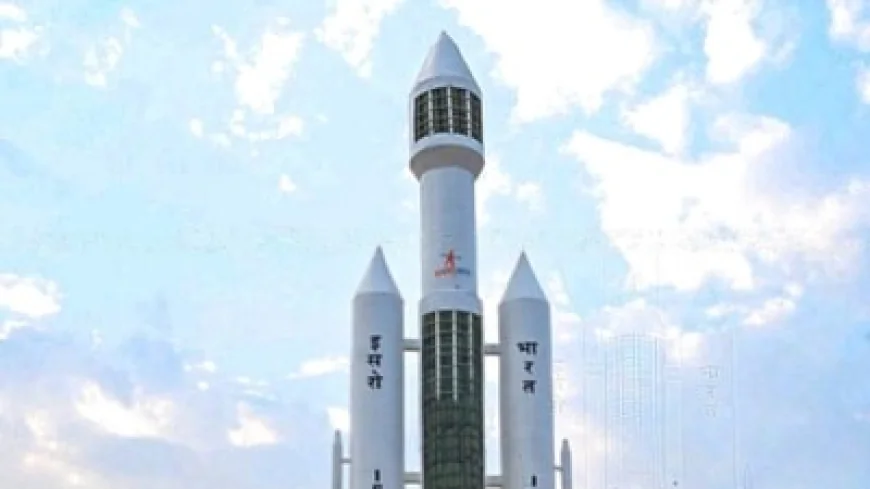
The PSLV-C62 mission of the Polar Satellite Launch Vehicle of ISRO, which was launched earlier today, had an unexpected technical problem, and the space agency held back confirmation on whether the satellites housed on board had been placed into orbit successfully. The PSLV-C62 rocket took off the First Launch Pad in the Satish Dhawan Space Centre in Sriharikota, with the EOS-N1 Earth observation satellite, or Anvesha, and 14 co-passengers aboard. The mission was notable and it was successfully the first planned Indian space launch of 2026 and the 64th flight of the PSLV which is a reliable launch vehicle.
Third-Stage Disorientation Reported
But just a few minutes of the flight, ISRO scientists noticed that there was disorientation of the third stage of the rocket. After this turbulence, the launch vehicle did not ascend to its planned orbit and this immediately brought in doubt as to whether the satellites could be launched into the planned polar sun-synchronous orbit. The ISRO Chairman V. Narayan stated that there was a disturbance in the third stage of the rocket. At this moment, we examine the mission data carefully.
Mission Outcome Under Review
ISRO is yet to announce whether the mission is successful or not. The vehicle telemetry and flight data are being analysed to determine the health of the EOS-N1 satellite and the 14 co-passenger payloads. ISRO announced in a short notice that, we have tried the PSLV-C62 launch mission today. We are examining the statistics and will provide additional information. The launch was also commercially and globally significant, as an in-orbit demonstration of a small re-entry capsule created by a Spanish startup was part of the mission.
In the perspective of putting the current anomaly into the picture, PSLV has been able to have a robust recent performance track record. In 2023, ISRO launched three missions of PSLV, all of which were completely successful with a 100 percent success rate. These were the PSLV-C55 TeLEOS-2 mission, commercial PSLV-C56 DS-SAR mission, and the historic PSLV-C57 launch which launched an Indian solar observatory Aditya-L1. This consistency was repeated in 2024, when ISRO once again launched three PSLV launches, all announced successful, and no stage-based anomalies reported.

Previous Failure and Follow-Up
The most recent failure has been the single failure to launch the single PSLV-C61 EOS-09 mission on May 18, 2025, which experienced a third-stage anomaly linked to the decrease in chamber pressure. After that failure, ISRO suspended the PSLV fleet almost eight months, formed a Failure Analysis Committee, applied remedial action and established PSLV-C62 as the official vehicle as far as its return to flight is concerned. Although the failure report was presented in detail to the Prime Minister Office, the failure report was not released publicly, and this also cast some doubts on transparency. At this point, the success of the PSLV-C62 mission is unknown. ISRO has indicated that a comprehensive update would be sent out once the current analysis had been made.