




































Pakistan's PM Shehbaz Sharif and Army Chief Asim Munir Give India a Disturbing Notice Over Indus Waters Treaty
Renewed tensions between India and Pakistan are once again expressed over the Indus Waters Treaty (IWT). Recently, Pakistan's Prime Minister, Shehbaz Sharif, and Army Chief General Asim Munir, made urgent statements with warnings to India about disputes that may seem like violations of the treaty, and threats of action, if such violations continue.

Renewed tensions between India and Pakistan are once again expressed over the Indus Waters Treaty (IWT). Recently, Pakistan's Prime Minister, Shehbaz Sharif, and Army Chief General Asim Munir, made urgent statements with warnings to India about disputes that may seem like violations of the treaty, and threats of action, if such violations continue.
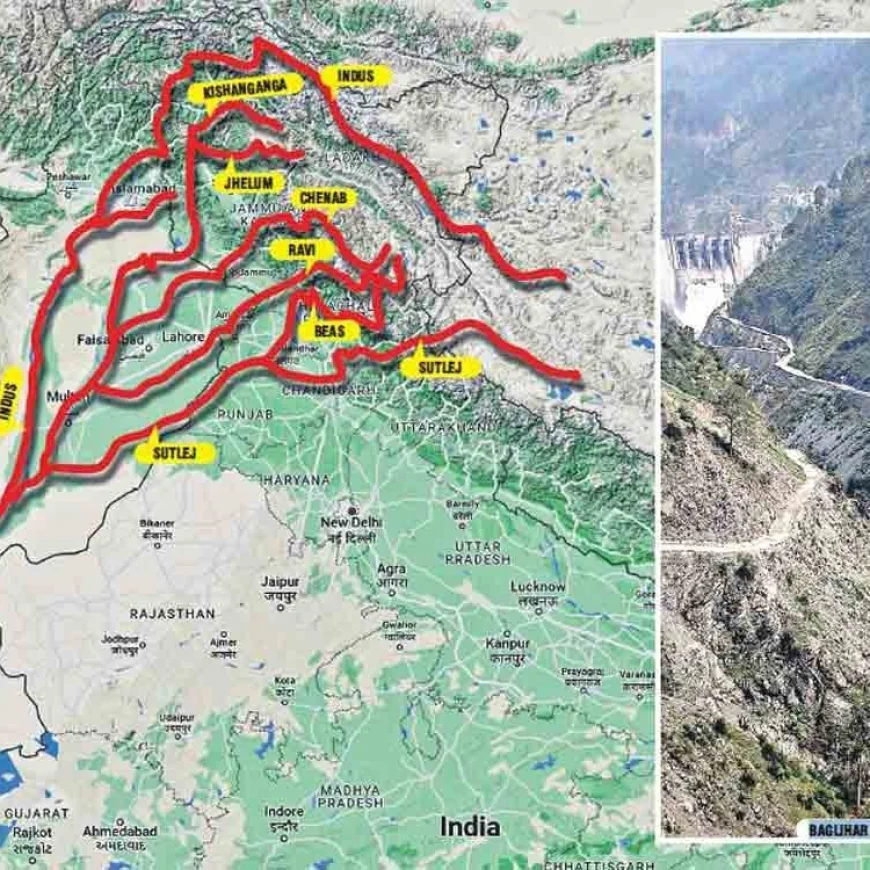
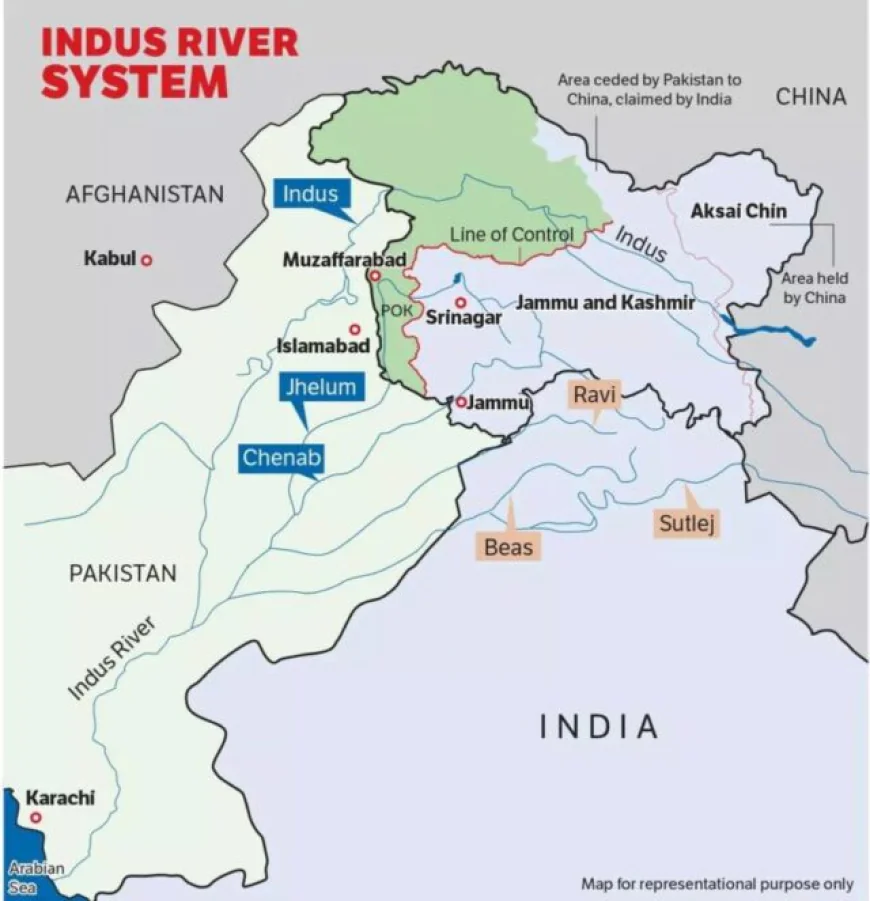
The IWT was signed in 1960 with the assistance of the World Bank and allocated the waters of the Indus River and its tributaries between the two countries. The IWT has endured a rich history of conflicts including wars and ongoing border stress, and both parties have largely respected it, making it one of the longest surviving cooperative agreements or treaties both states have adhered to.
But recent global diplomacy and increased skepticism have put the treaty back in the spotlight. Previously, India had indicated it might employ water as a tool of leverage amid cross-border tensions, especially after cross-border terror attacks initiated from Pakistani soil. Those remarks have been alarming in Islamabad, where a large section of the population is concerned about increasing water-short from available resources for needed agriculture and to sustain life.
Sharif's Strong Comments
Pakistan's Prime Minister Shehbaz Sharif accused India of trying to go against the treaty and warned that any change to water flows would be considered an act of war. "If our water rights are violated, Pakistan is not going to take this lying down," said Sharif while calling on the World Bank and other international mediators to ensure compliance with the treaty and its original provisions.
Military's Role
General Asim Munir's comments escalated things even further. He said, if India tried to "weaponize water," Pakistan would give a "firm and calculated response". He made it clear that Pakistan's armed forces will defend the country's resources. These comments reflect a growing cooperation of the political and military leadership of Pakistan on this issue.
India’s Position
India has firmly maintained its commitment to the treaty, while simultaneously asserting its authority to utilize its share of the rivers as defined by the treaty. Figures in the New Delhi government contend that under the technical clauses of the treaty, it is well within its rights to undertake development initiatives such as dams and hydroelectric plants on the western rivers.
The Road Ahead
The resumed verbal sparring is evidence of how water security is becoming an increasingly sensitive flashpoint in South Asia. Climate change is altering rainfall patterns and creating greater water scarcity, and if both countries do not renew their commitment to cooperation, disputes over river resources will likely grow.
In the weeks ahead, both intensified diplomatic efforts or a further hardening of positions may arise. For now, the Indus Waters Treaty, often regarded as reflecting cautious cooperation, stands up against one of its most serious challenges in decades.