






































India Delays On Airspace Closure For Pakistan Planes Until September 24
Since the Pahalgam attack, India has extended its airspace closure for flights operated by Pakistan until Sept 24, citing security issues that affect Pakistan's aviation and regional connectivity.

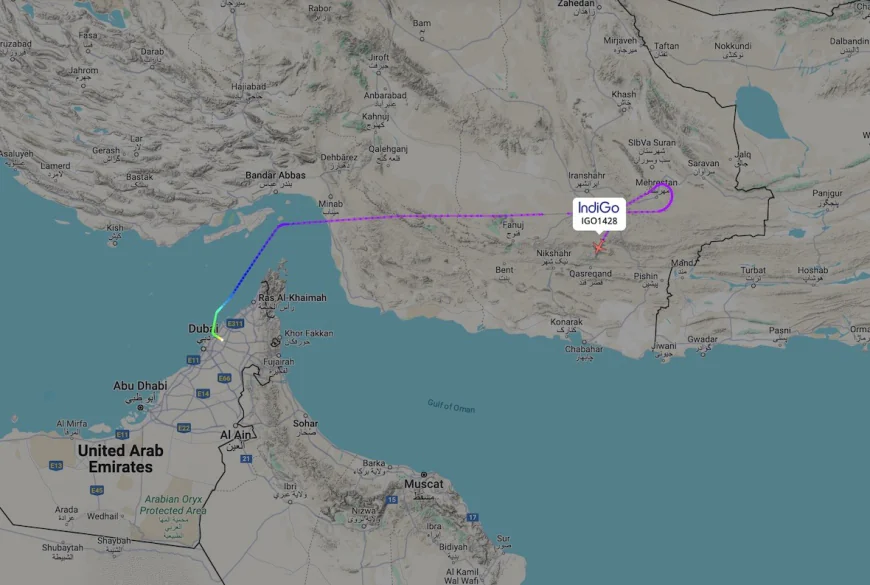
India has continued to extend their airspace closure for planes owned, operated or leased by Pakistan airline operators, including military flights, until September 24. This comes after the April 22nd Pahalgam terror attack that rattled the nation and raised security concerns across the region.
History of the restriction
After the Pahalgam attack that killed security personnel and civilians, India quickly moved to impose a closure of Pakistan operated flights transiting its air space. The closure was originally viewed as a temporary restriction, but further investigations revealed disturbing events sparked by the attack and rising tensions continued to prompt further extensions. The latest extension reinforces New Delhi's position on national security and its message to Islamabad regarding cross-border terrorism.
Consequences on Pakistan's Aviation Sector
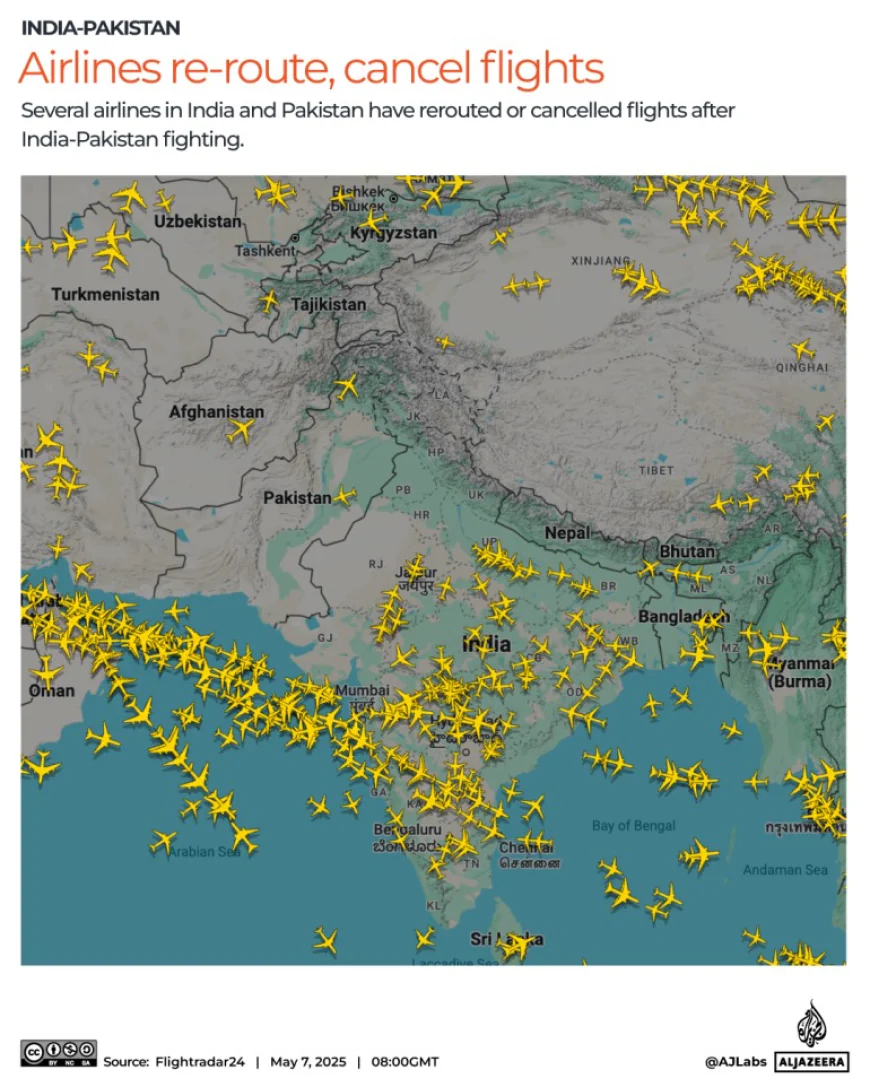
These airspace restrictions have already had a profound impact on airlines and aviation operators in Pakistan. Pakistani operators are left with no choice but to reroute flights. This results in longer travel times and lengths of flight, while coupled with higher fuel costs and operational costs. Any flights from Pakistan that are destined for Europe or Southeast Asia are forced to take significant detours which adversely impacts the passengers and the financial viability of airlines already in an economically precarious position.
Cargo operations have similarly impacted operations; shipments are delayed, and logistics costs are higher for all parties. Experts in the field say that the disruption in air traffic also has a negative effect on Pakistan's ability to remain a connected global aviation partner, as well as to combat the negative reputation many people maintain about Pakistan in the aviation context.
India’s Security Perspective
For India, the ban on flying over the country is more than precautionary; it is without a doubt a geo-political move and signals to the government of Pakistan. They have made it known that restrictions shall remain in place unless they observe and verify that Pakistan is doing something about terrorism. The ban also ensures that whatever military or defense-related flights Pakistan may want to operate cannot cut across Indian airspace in a time of escalation.
India is continuing to observe the matter closely, while its intelligence agencies have provided advice that more vigilance can be the only way to proceed. Since air routes are more than just commercial trade routes but also strategic assets, India’s strong stance shows a commitment to preserving sovereignty and security.
Regional Implications
The closure of India's airspace adds further hardship to the already tense India-Pakistan relationship. It will also create additional hurdles to regional connectivity as South Asia is an important corridor connecting the Middle East with East Asia. If restrictions drag on, this could affect trade and people-to-people exchanges, and even diplomatic engagement between the two states.
Conclusion
By continuing the ban on Pakistan operated flights until Sept 24, India has shown, once again closer to home, its determined and zero-tolerance attitude toward terrorism. It may disrupt Pakistan's aviation industry, but it also indicates New Delhi's decision to put security before convenience.