

























Call to Boycott India–Pakistan Asia Cup Clash Sparks Heated Debate
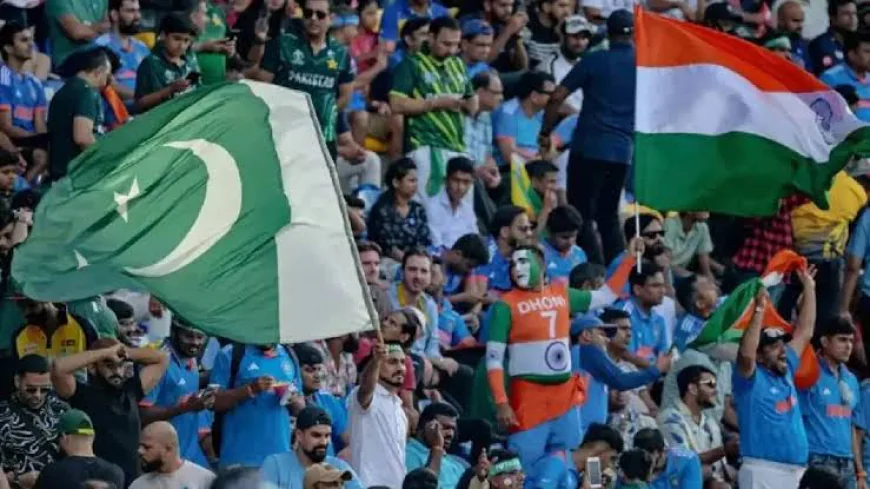
As India prepares for its much-anticipated Asia Cup clash against Pakistan, former cricketer Manoj Tiwary has ignited a national debate by urging a boycott. His statement, rooted in concerns over recent terror incidents, has triggered conversations that go far beyond the boundary ropes, raising questions about whether sport can ever truly remain separate from politics.

The Spark Behind the Controversy
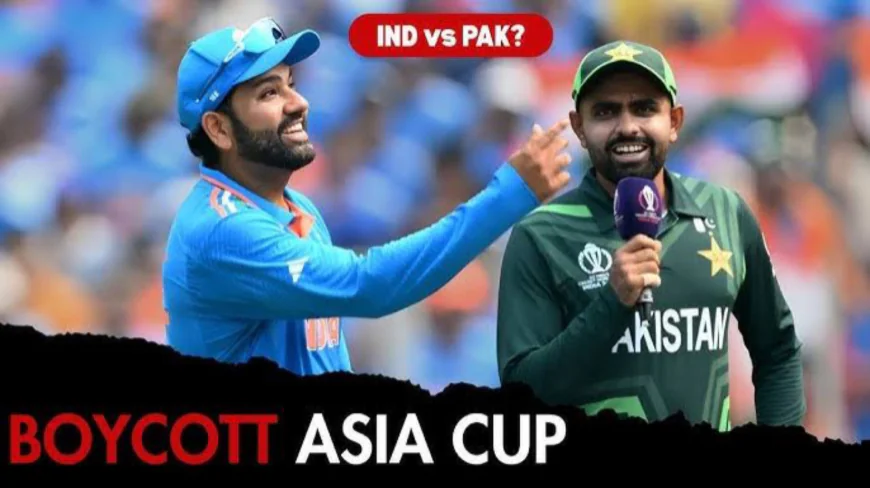
The Asia Cup match between India and Pakistan, scheduled for September 14 in Dubai, was expected to draw global attention. But what should have been a sporting spectacle has been overshadowed by political tension. Former Indian cricketer Manoj Tiwary has called for India to withdraw from the match, citing the April 22 terror attack in Pahalgam, which claimed the lives of 26 people and was linked to Pakistan-backed groups.

For Tiwary, the issue is not about cricketing rivalry but about national dignity. “What’s the point of playing with them?” he remarked, echoing the sentiments of many who believe that sporting ties cannot be insulated from the reality of cross-border hostilities.
A Divided Opinion
The reaction to Tiwary’s statement has been polarizing. Some fans and analysts support his call, arguing that continuing to face Pakistan on the cricket field dilutes India’s stance against terrorism. They see a boycott not as an act of fear but as a message of strength and solidarity with the victims of violence.
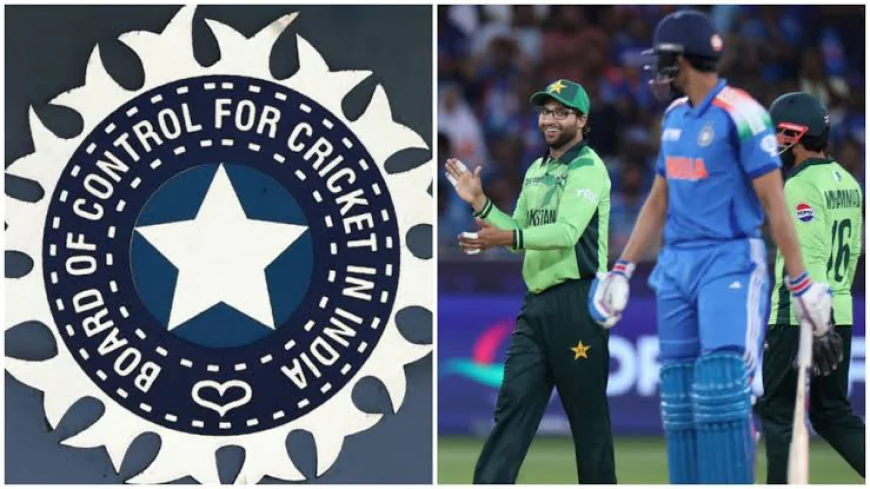
On the other hand, many believe cricket should not be held hostage to geopolitics. For them, the India–Pakistan fixture is more than a gameit’s a bridge, however fragile, between two nations divided by history. They argue that the encounter provides a rare moment where dialogue, passion, and even rivalry can unfold on a sporting stage rather than the battlefield.
Beyond the Boundary
This controversy reflects a larger struggle: should sport be used as a platform for political statements, or should it be preserved as a neutral ground where athletes showcase skill and fans celebrate the game? With emotions running high, the Board of Control for Cricket in India (BCCI) now finds itself in the middle of a storm, balancing public sentiment, political pressure, and commitments to international tournaments.
Conclusion
As the Asia Cup looms, the India–Pakistan clash is no longer just about runs and wickets. It has become a test of how cricket navigates the fault lines of politics, patriotism, and public emotion. Whether India takes the field or decides to withdraw, the decision will carry weight far beyond the scoreboard.