




































SpaceX’s Approved Rocket Debris Zone Raises Alarm in Pristine Hawaiian Waters
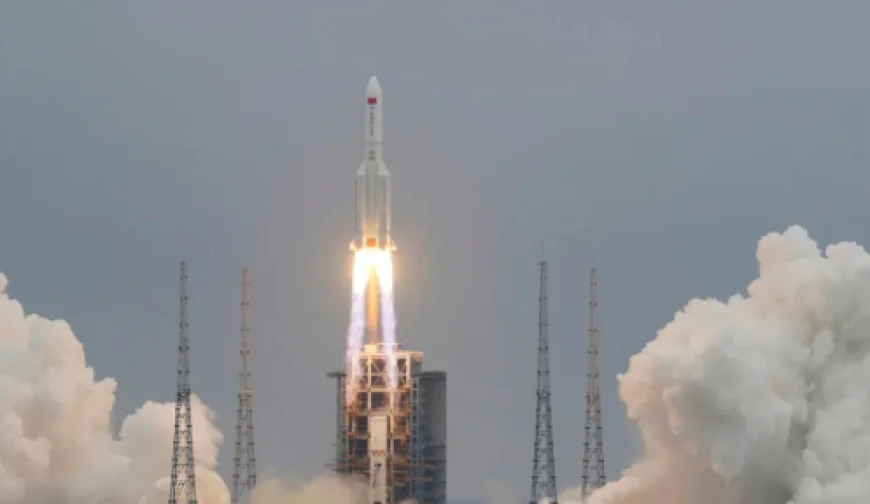
SpaceX has been given permission by the Federal Aviation Administration (FAA) to do up to 25 Starship launches each year, which is a big rise from the current number of 10.

July 21, 2025
The Federal Aviation Administration (FAA) has given SpaceX permission to substantially increase the number of Starship launches it conducts each year, allowing up to 25 blasts. This has greatly increased the designated debris zone over the Pacific Ocean. Scientists, environmentalists, and Native Hawaiian groups are worried about the new "action area," which includes Mokumanamana and the UNESCO-listed Papahānaumokuākea Marine National Monument, as well as large parts of the ocean around the eight main Hawaiian Islands.
A Weak Ecosystem in Danger
Papahānaumokuākea is a marine monument that covers almost 600,000 square miles. It is home to more than 7,000 species, many of which are endangered, and has culturally important places, especially on Mokumanamana. Some people say that the FAA's Environmental Assessment, which was mostly written by contractors working for SpaceX, doesn't have enough community input and strict monitoring, especially with Indigenous Hawaiian voices. At the same time, government wildlife agencies have warned of dangers to birds, sea turtles, whales, seals, and corals, even if those dangers are thought to be "insignificant" because they are unlikely to happen.
William Aila, who used to be the head of Hawaii's Department of Land and Natural Resources, talks about the islands' spiritual worth. He says that Mokumanamana marks the change between 'au (light) and pō (darkness), which is where souls meet up with ancestors. This shows that the project doesn't respect cultural values.
Examples of damage to the environment in the past
SpaceX's mindset of "fail fast" has already caused damage to the environment. Test flights from Boca Chica, Texas, destroyed launch infrastructure, started wildfires, hurt nests, and dumped shrapnel and chemical waste into the area. In January, Starship Flight 7 exploded over the Caribbean, sending debris all over the Turks and Caicos and causing people to worry about their health.
Challenges in court and public outrage
Lawyers for the environment, Native Hawaiians, and charity coalitions have used the National Environmental Policy Act to ask for a full Environmental Impact Statement (EIS) instead of the limited Environmental Assessment that was used. Jill Heaps of the Surfrider Foundation says that the FAA just approved SpaceX's own study without giving it a close, independent look.
More than 12,000 people wrote to an online FAA forum in January. Many of them were angry that Hawaii was being used as a "sacrifice zone" for Musk's plans to colonize Mars. Critics point out that Musk is very close to the federal government. For example, during Trump's presidency, important environmental watchdog groups like NOAA and Fish & Wildlife got a lot less money, and changes in FAA leadership led to less regulation, which was good for SpaceX.
SpaceX retaliates and moves forward
Even though some people disagree, SpaceX and Elon Musk continue to say that Starship is important for humanity's future and that one of the goals is to colonize Mars. It's only made people angrier that Musk says sometimes damaging the environment is a fair price to pay—"If they did hit a whale... the odds are so low"—because he says this.
The FAA's new plan adds a 50-mile buffer around Papahānaumokuākea to the debris limits. Native Hawaiians, like Kau‘inohea Wawae‘iole, say that this is not even close enough and that the Pacific should not be used for profit.
The Way Ahead
Launches are set to pick up speed by late 2025, so everyone in the science, law, environmental, and indigenous groups is waiting to see if the FAA will keep the expansion or pull it back. The main issue in the fight is whether a full EIS will have to be done in order to meet Hawaii's cultural responsibility to protect the ocean and allow a truly independent scientific review.