






























Poor AQI Forces Delhi Schools to Rethink Classrooms, Hybrid Learning Rolled Out
As Delhi’s air quality slips into the severe zone, schools across the capital have shifted to a hybrid learning model for students up to Classes IX and XI, allowing online classes amid GRAP-IV pollution restrictions.

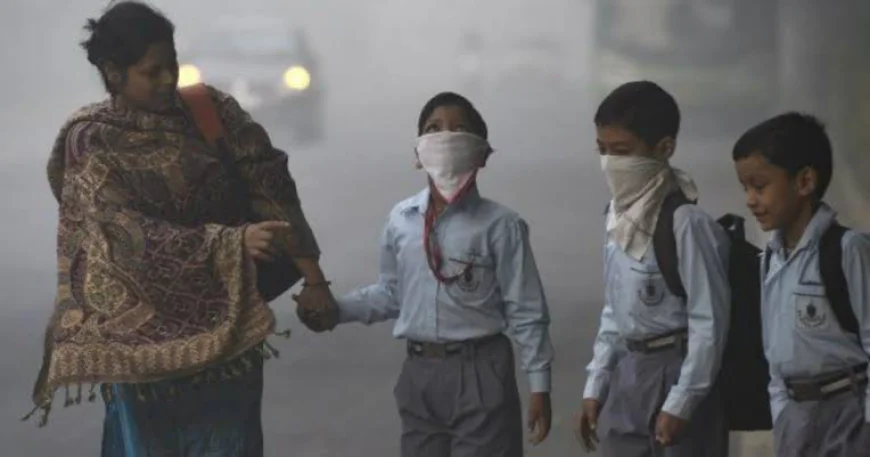
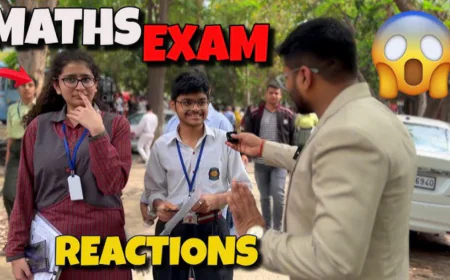
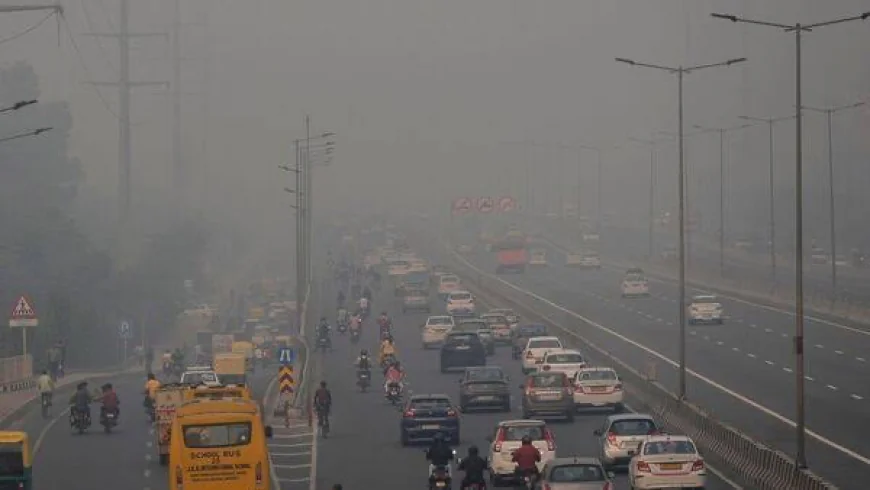
Delhi’s pollution crisis has once again spilled into school corridors. With air quality levels climbing into the severe plus category, authorities activated Stage IV of the Graded Response Action Plan (GRAP). One immediate fallout has been a change in how schools function. Students up to Classes IX and XI are now being taught in a hybrid mode, giving families the option to choose between physical and online classes.
The decision comes as the city struggles under thick smog, with health experts warning that prolonged outdoor exposure can seriously affect children’s lungs. For schools, the move is less about convenience and more about damage control.
What the Hybrid Model Means for Students
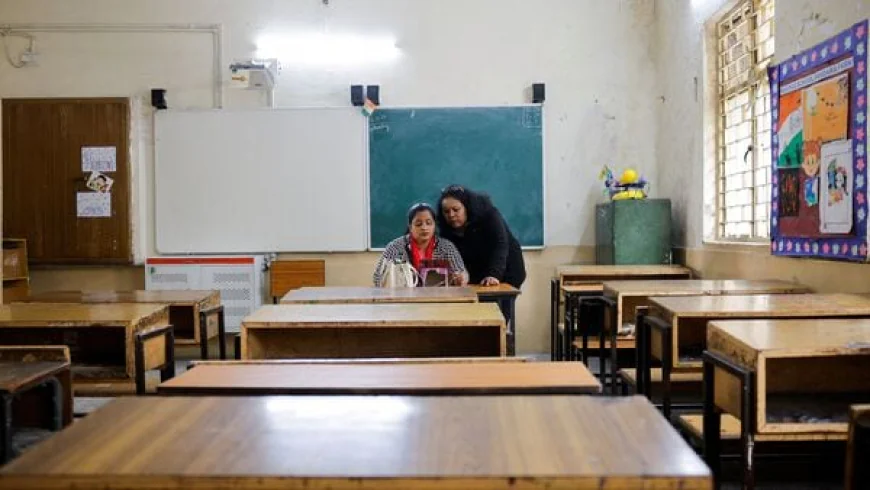
Under directions issued by the Delhi Directorate of Education, all government, government-aided, and private schools are required to offer online learning as an alternative for students up to Classes IX and XI. The choice ultimately rests with parents. Schools have been asked to ensure that online classes run smoothly and that students opting to stay home do not fall behind academically.
Classes X and XII, however, will largely continue in offline mode due to upcoming board examinations, though schools have been advised to follow strict safety measures.
Why GRAP-IV Was Triggered
GRAP-IV is the strictest stage of Delhi’s pollution response plan. It kicks in when air quality deteriorates sharply, often during winter when low wind speed traps pollutants close to the ground. Along with changes in school operations, the measures include a ban on construction activities, restrictions on polluting vehicles entering the city, and advisory work-from-home arrangements for offices.
Parents Caught Between Health and Learning Gaps
Reactions from parents have been mixed. Some see hybrid classes as a necessary step to protect children from breathing toxic air. Others worry about screen fatigue, uneven access to digital resources, and the loss of classroom interaction. Still, many agree that keeping children indoors during peak pollution days is the safer call.
A Temporary Fix to a Persistent Problem
While hybrid schooling offers short-term relief, it also highlights a deeper issue. Delhi’s pollution problem is no longer seasonal or surprising. Until long-term solutions are implemented, schools and families will continue to juggle between education and health, hoping each winter isn’t worse than the last.