
















PM Modi: “India Has Not Missed a Bus Since 2014” – A Push for Growth Through Resilience
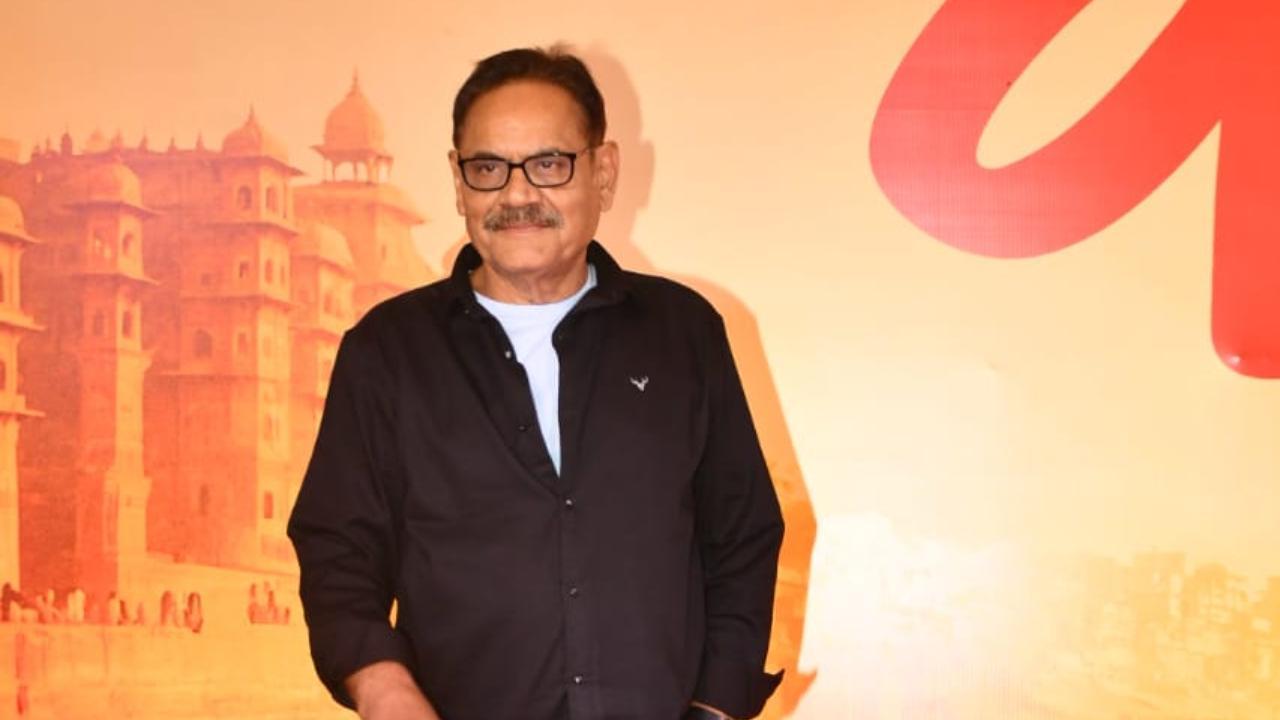
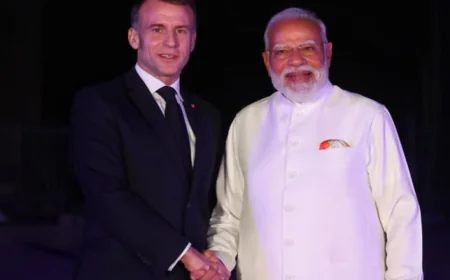
Prime Minister Narendra Modi recently drew an interesting comparison between the policies of his government and those of prior governments, stating intentionality for India not to “miss the bus” on opportunities in technology, industry, and economic growth.

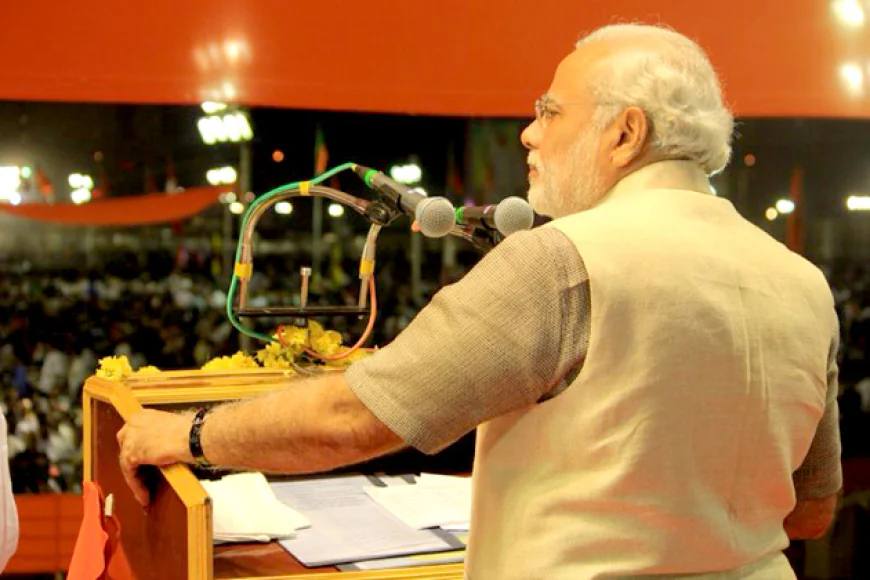
Prime Minister Narendra Modi recently drew an interesting comparison between the policies of his government and those of prior governments, stating intentionality for India not to “miss the bus” on opportunities in technology, industry, and economic growth. Reflecting on India's story of the last 10 years, PM Modi stated that previous governments had their eyes set mostly on electoral politics and less so on long-term development, resulting in lagging in several important areas.
Learning from the Past
According to Modi, before 2014, prior governments were focused on winning elections, and not on not actually building real growth and future potential for the country. Due to this prevailing mindset and politicking, India “missed the bus” on the many global opportunities like - wave of industrialization, wave of manufacturing growth, and wave of technology. Further, due to these decisions and inactions on the part of prior governments, India was put into a place where it was dependent on imports and unable to capture fully what could be a significant national advantage in sectors like electronics, defense manufacturing, and digital technologies.
India’s New Vision Since 2014
Modi emphasized that his government had a new vision, and a proactive rather reactive approach would be taken. Under Make in India, Digital India, and Startup India, India has achieved much in the way of innovation, encouraging entrepreneurship and helping grow domestic economies. The issues of increasing foreign direct investment and emphasis on self reliance in strategic sectors took an active approach to do better than they did in the past.
One of the greatest aspects of change, India’s digital economy now progresses with the help of initiatives like the Unified Payments Interface (UPI), Aadhaar-linked services, digital identities, and the growth of basic internet use. Now, India is a leader in both innovation and digital transactions. This has allowed it to leapfrog developmental challenges and to create a landscape where India is a place of digital excellence globally.
Economic Growth and Post-Covid Recover
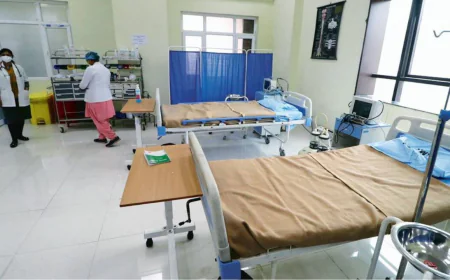
The Prime Minister also said that India had come out of the Covid-19 pandemic better than expected, despite the challenges facing the economy. India was able to address the situation with policy reforms, economic stimulus programs and investment in vaccination which helped stabilize the economy and protect the poorest people. After the pandemic, the economy has shown rebound growth, increase in exports, manufacturing, and infrastructure.
Moreover, it is also becoming clear that global investors view India as a trusted partner at this moment in history, especially as supply chains leave China. The government programs include very competitive PLI (Production-Linked Incentive) benefits and a reform agenda focusing on labor, agriculture and infrastructure and the will promote India for the long-term.
A Vision for the Future
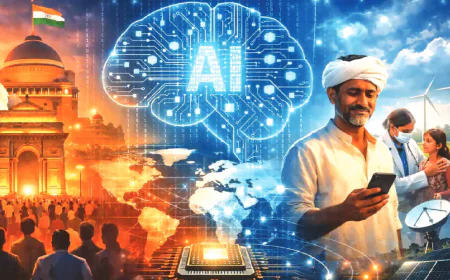
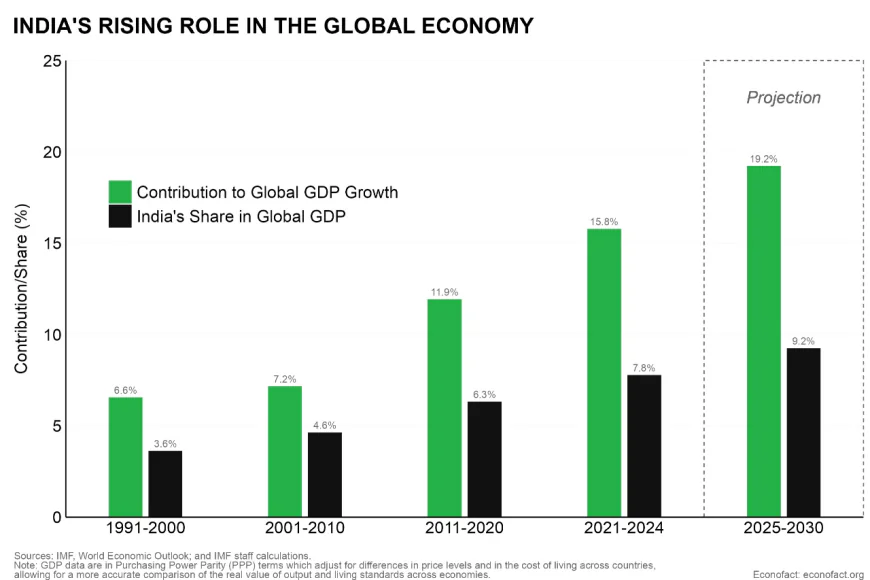
Modi's message was unequivocal: No more missed opportunities for India. With a youthful workforce, technological advancements, and international confidence in its economy, India is poised to lead in the fields of green energy, artificial intelligence, and advanced manufacturing.
Through sustainable growth, innovative capacity, and self-reliance, India wants to accelerate not only to the bus stop but drive the bus to become the next world economic superpower.