




























Mohan Bhagwat Says India’s Hindu Identity Doesn’t Need Constitutional Backing
RSS chief Mohan Bhagwat says India’s Hindu character is rooted in culture and doesn’t need constitutional approval, sparking debate about national identity.

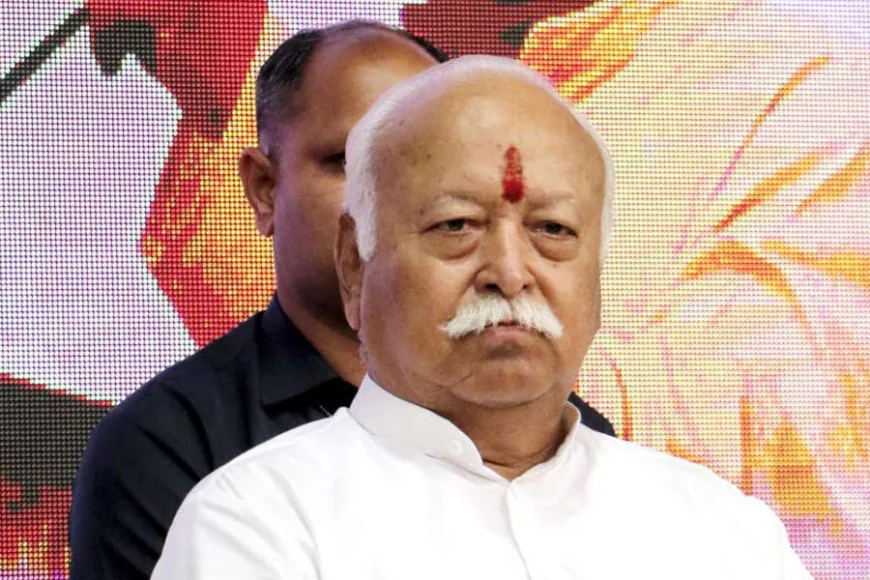
When Rashtriya Swayamsevak Sangh (RSS) leader Mohan Bhagwat said that India's place as a "Hindu nation" does not need to be formally recognised in the Constitution, he started a new discussion about India's national character. No matter what the law says, Bhagwat spoke at an event in Kolkata celebrating the RSS's 100th anniversary and said that India's cultural tradition and history are enough to show that it is a Hindu country.
Bhagwat likened the announcement to a natural truth
He said that, like saying the sun rises in the east doesn't need a law, India's identity as a Hindu country doesn't need a constitutional endorsement. He said that India's identity as a Hindu nation would stay intact as long as people value Indian culture and their family's history. He also said that it wouldn't change how he felt about it if Parliament decided to change the Constitution to include the line.
The RSS leader talked about how people see the organisation in part of his message
He told people who didn't agree with the RSS to visit shakhas (branches) and see what they do for themselves. He said this would help get rid of false ideas about the group being "anti-Muslim." Bhagwat said that the RSS is nationalistic and looks out for the interests of Hindus without being against other groups.
Bhagwat's comments brought up old ideological ideas that the RSS has held for a long time
The RSS believes that India's history is linked to Hindu culture. The word "secular" was not in the Preamble to the original Constitution. It was added in 1976 during the 42nd Amendment, which also added the word "socialist."
Political and civil society groups have had a range of reactions. Some groups were happy with how Bhagwat focused on bringing people of different cultures together. Others, though, worried that linking Indian identity with a single religion might hurt India's constitutional commitment to pluralism and diversity.
When Bhagwat made these views, India’s public and political discourse were still heavily focused on national identity, secularism, and cultural heritage.