



























India to Ease Business Visa Process for Chinese Executives: A Sign of Improving Ties
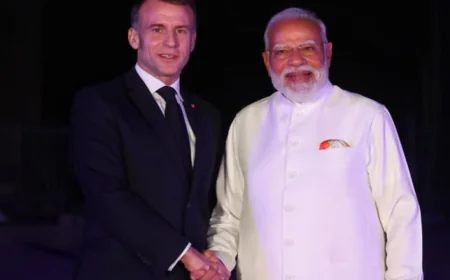
India plans to ease visa restrictions for Chinese business executives, a move that indicates improving bilateral relations between the two populous Asian countries. Reports suggest that senior top executives from leading Chinese technology and manufacturing companies including Vivo, Oppo, Xiaomi, BYD, Hisense, and Haier will likely be able to get approvals on their applications for business visas after almost five years of strict restrictions.

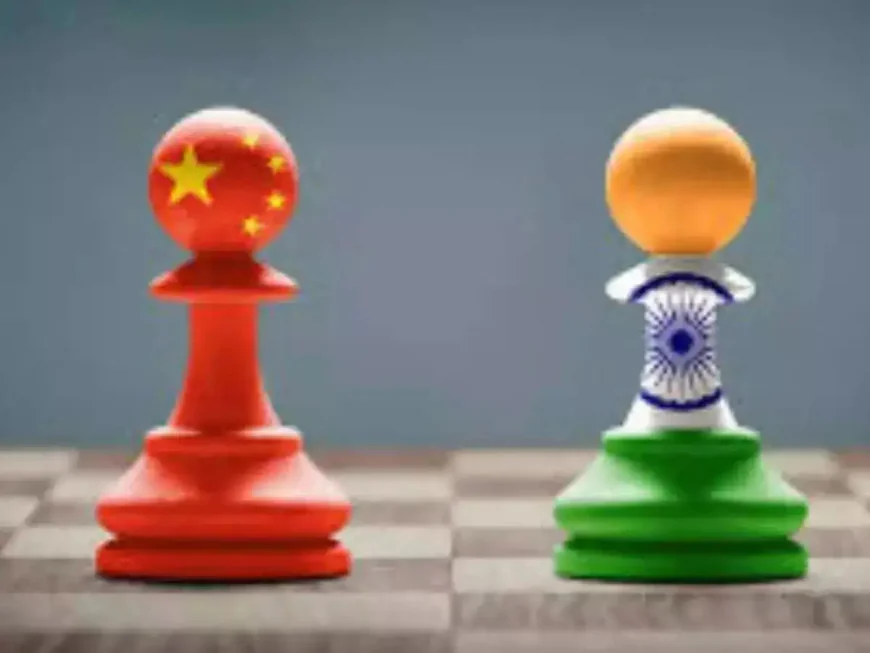
Since the border tensions spilled over into violence in 2020, the relationship between India and China has been under enormous stress. After the bloody clashes in Galwan Valley, India began
to impose stricter scrutiny on Chinese businesses, especially in technology and electronics. As a result, of increasingly strict visa rules, stricter levels of compliance and various investigations into Chinese companies in India, many of the top executives could not enter India and, therefore, the companies faced significant difficulties in management and operations.
Why Is This Change Important
Easing business visa processes represents a significant change in India's policy orientation. It demonstrates a willingness to decouple economic cooperation from political disputes, at least to some degree. It matters especially to Chinese companies because India is still one of the largest markets for smartphones, consumer electronics, and renewable energy. Smartphone brands like Vivo, Oppo, and Xiaomi have strong market shares in India and utilize local manufacturing, partnered with local companies, and many thousands of employees depend on their ability to operate smoothly.
For India, this could mean renewed investment, technology transfer and supply chain security. For example, the smartphone market in India slowed down as global uncertainty rose. Importantly, the ability to bring Chinese executive back into the country can help streamline decision making, improve the efficiency of local production, and ultimately improve exports.
Strategic Timing
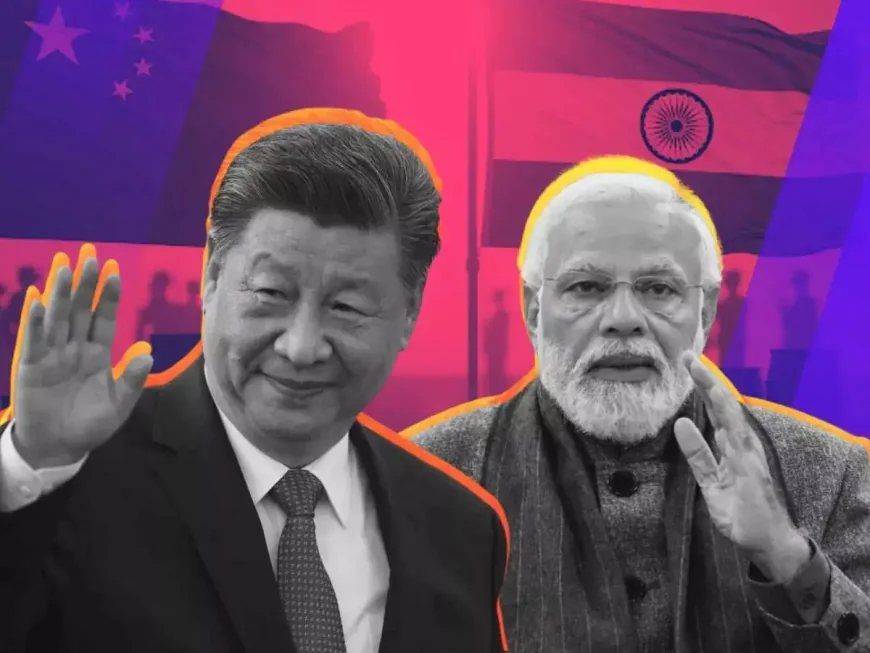
It has been noted by those in the industry that this opening of restrictions comes at an important time when global supply chains are in the process of unwinding, and India has indicated its intentions of being an alternative manufacturing hub. While India has drawn down investments from many companies in the South Korean, Japanese and American sectors, Chinese companies play large roles in India’s electronics and renewable energy ecosystems.
The decision also indicates a softening in diplomatic relations. While there are still issues politically, it seems both nations have realised that when it comes to economic engagement the potential for growth and stability should matter.
Looking Ahead
If the visas are approved as expected, executives at firms like Xiaomi and Vivo will be returning to India to oversee local operations. This may enable smoother collaborations, greater investments, and perhaps joint-ventures down the road.
While there are still challenges that exist between India and China, this development is an important step in a pragmatic approach in that it is putting business (and the economy) before traditional geopolitical considerations. The easing of business visa restrictions could then suggest that the two nations are ready to proceed cautiously towards a new positive phase in relations.