





























GST Overhaul to Bring Major Price Relief for Indian Automobiles
GST 2.0 slashes rates to 5% & 18%, cuts small car taxes, streamlines SUV levy at 40%. Prices of Alto, Creta, Thar, XUV700 set to drop from Sept 22.

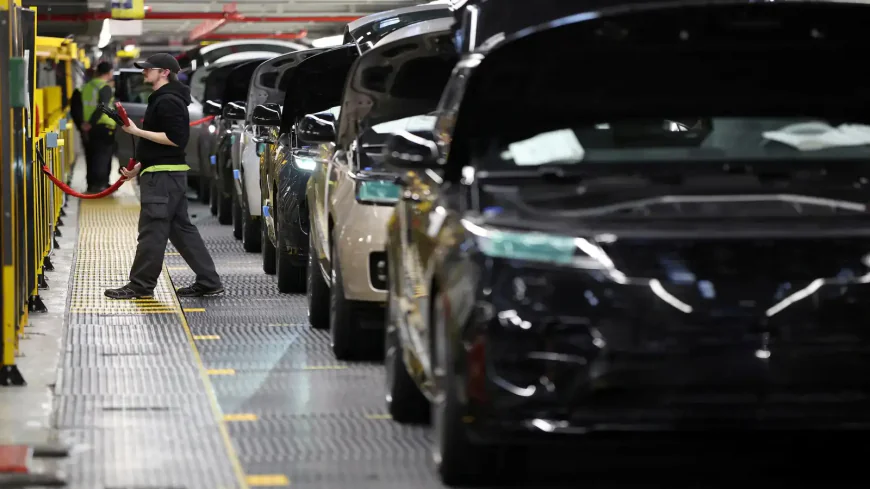
India's Finance Minister Nirmala Sitharaman launched a major tax overhaul on Wednesday. The new Goods and Services Tax (GST) system is meant to make taxes easier and increase consumer demand before the holiday season. Starting on September 22, 2025, the structure will change from several slabs to only two main tiers: 5% and 18%. There will also be a new 40% "special" rate for luxury and sinful products.
Tax breaks for cars
Luxury cars get simpler, and little cars get cheaper.
The new guidelines say that small cars, which are classed as petrol, LPG, CNG, and diesel models with engines up to 1200 cc or 1500 cc and measuring less than 4 meters, will have their GST slashed from 28% to 18%.
Some popular models that are likely to benefit are the Maruti Alto, Maruti Brezza, Fronx, Tata Nexon, Hyundai Venue, Mahindra XUV300, Kia Sonet, Skoda Kushaq, Baleno, and others.
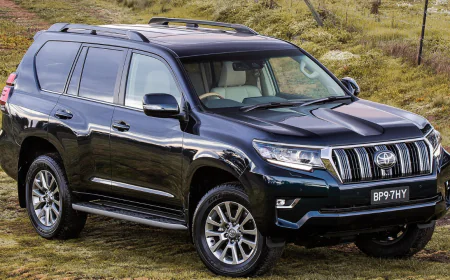
Now, mid-size and larger SUVs, including the Hyundai Creta, Maruti Grand Vitara, Mahindra Scorpio, XUV700, Tata Harrier, Safari, and Mahindra Thar, will all have a flat 40% GST with no compensating cess. This makes what was a complicated tax system that added up to 50% simpler.
Organisations in the industry, such as SIAM and FADA, welcomed the decision "bold and progressive," saying it makes the tax system easier to understand, makes things more affordable, and could boost demand over the holiday shopping season.
Effects on the economy as a whole and on specific sectors
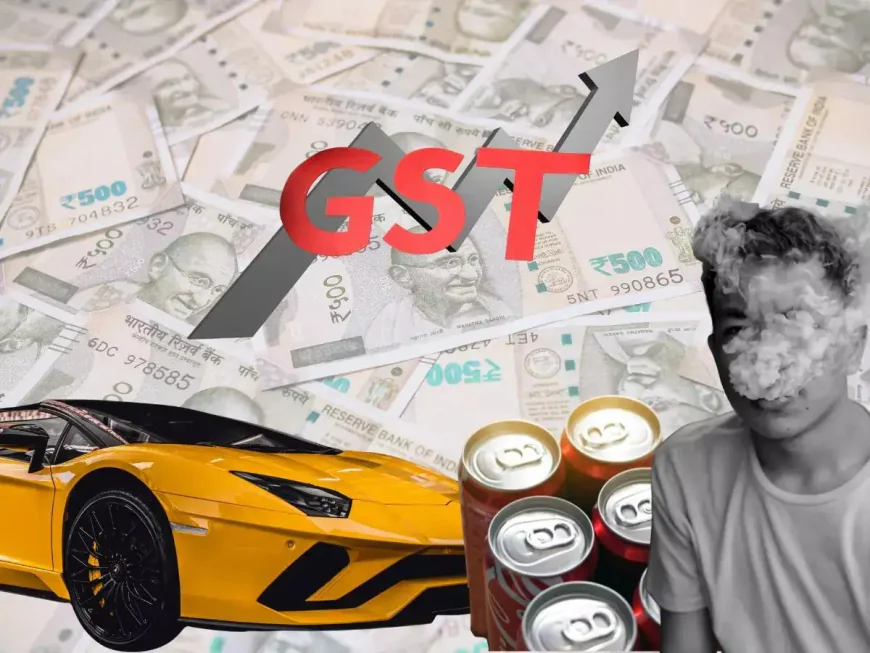
The GST changes affect more than simply cars. Life and health insurance are now tax-free, but cement, TVs, and air conditioners are now taxed at 18%. Luxury and sin goods are now taxed at 40%.
This change is likely to cut inflation by up to 1.1 percentage points, even though the government would lose ₹48,000 crore (approximately USD 5.5 billion) in revenue, which is much less than experts thought it would.
The stock markets reacted positively because analysts expect consumption to rise, especially in the automobile and consumer durables industries.
There is competition in the EV sector
The changes are good for those who buy tiny petrol and diesel cars, but experts in the industry say they could have unforeseen effects on electric vehicles (EVs). ICE cars are now 10% cheaper, which might make the already small price difference between EVs and traditional cars much bigger. This could slow down the adoption of EVs, even though the GST still supports them at 5%.
What Will Happen Next
The administration hopes that the cut, which will take effect on September 22, will coincide with the Navratri festival season and spark interest in all sectors, and boost the economy.
Automakers, especially those that build cars for people who need to get around a lot, expect more people to want to buy their cars, both those who are looking for a good deal and those who are buying their first car. GST 2.0 could be remembered as a turning point in changing India's indirect taxes because it makes them easier to pay and more affordable.