




































Ghoramara Island May Lose 40% of Its Land by 2042, Warning Experts
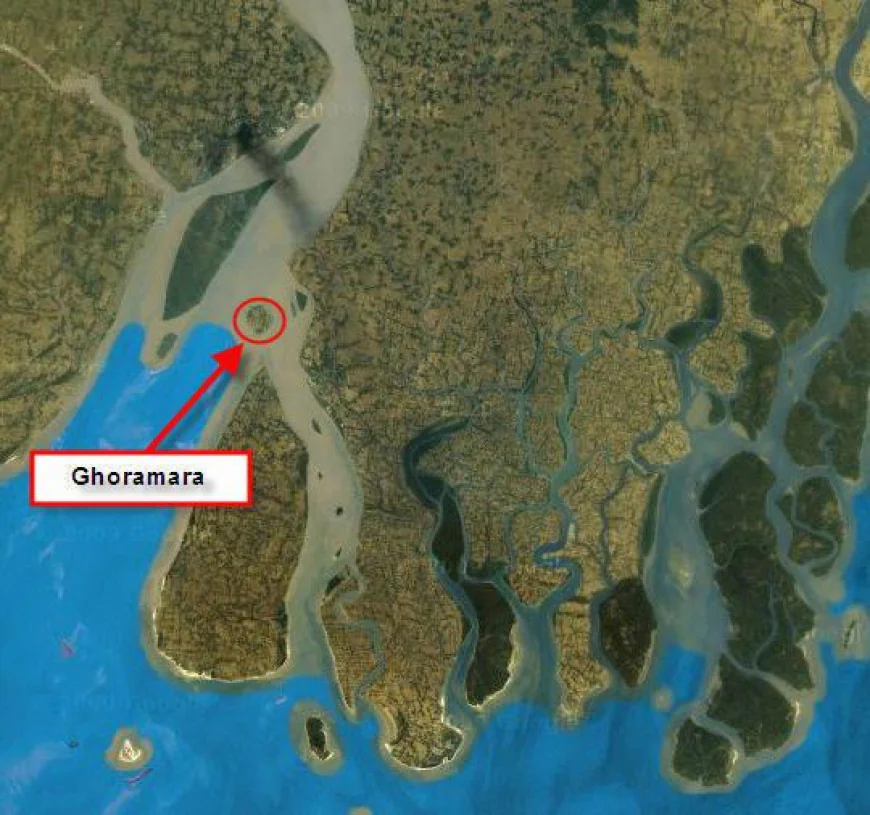
Ghoramara Island situated in West Bengal’s Sundarbans is experiencing rapid shrinkage due to shoreline erosion, as well as sea-level rise. Experts say Ghoramara could lose as much as 40% of its land by the year 2042. Here’s what you need to know.

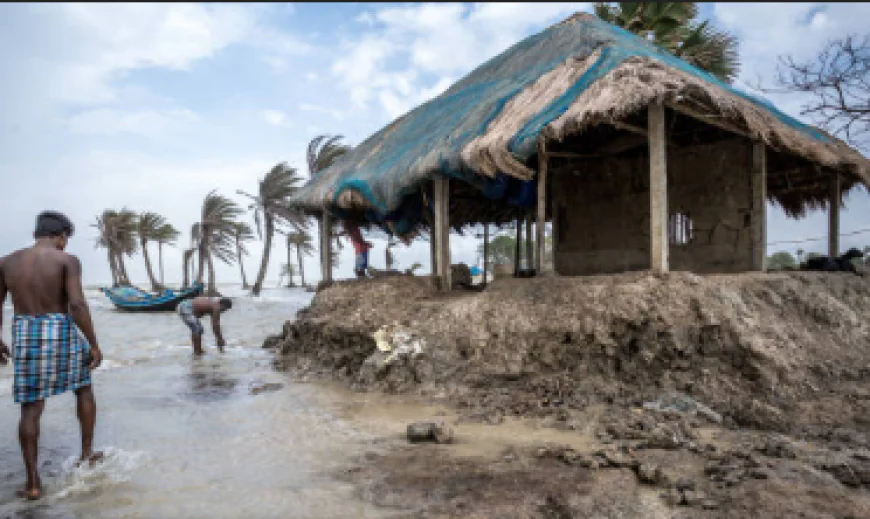
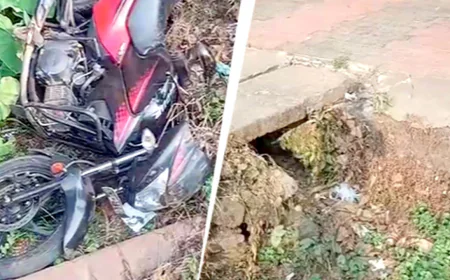
Ghoramara Island is facing a "serious" threat from the sea, according to a study mapping the shoreline. By the year 2042, experts believe the island "may" lose about 40% (about 1.3 square kilometres) of its land area as the sea moves inland.
The study determined the shoreline for Ghoramara Island could shrink inward at 450 metres, within a 19-year span. Nearby islands like Bhangaduni and Dalhousie could lose more.
The findings "raise serious concerns," according to experts, about local populations, the local ecosystem, and the general situation.
Why Is This Taking Place?
There are many reasons for this alarming deterioration. The rise in sea level, stronger tides, and more frequent cyclones have all made the Sundarbans coastline increasingly vulnerable. One of nature’s best protectors of the island, the mangrove forests, is also under threat from logging, saltier soils, and development.
Human activities such as building ports along the coast and changes in the flows of rivers have exacerbated the problem. For instance, port expansion near Haldia led to a veritable alteration of the natural connection of inland water with the coast, creating faster erosion.
Impacts on People
Until recently, Ghoramara Island had a population of nearly 7,000, but now only between 3,700 and 4,800 remain based mainly on fishing, farming, and prawn seed collecting. As land decreased and seawater creeps into agricultural land, families are struggling to survive.
Some residents have at least temporarily) relocated to other islands and cities, while many hold onto their land, culture, and memories, but with more land lost to the sea every year, there is little time left for them.
What Can Be Done?
Past actions to prohibit exacerbation. Local people have begun planting mangroves along the shoreline to help minimize erosion. There are plans for stronger embankments and supporting resettlement plans. But all of these plans will take time and require a strong commitment from many stakeholders such as the government and environmental groups.
If immediate action is not taken, Ghoramara will quickly turn into a completely uninhabitable situation. The losses will create losses not just for the people, but for wildlife in the entire Sundarbans ecosystem.