




































Amit Shah's Explanation of the Disqualification bill for Tainted Ministers: A Constitutional Method
Amit Shah defended the legislation against these attacks by stating the bills were ensuring people that hold positions of power would be held accountable and not be above the laws.

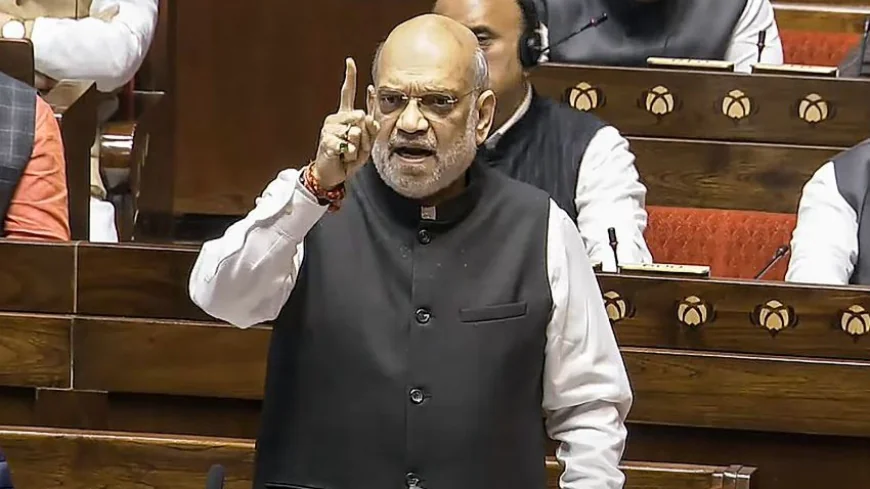
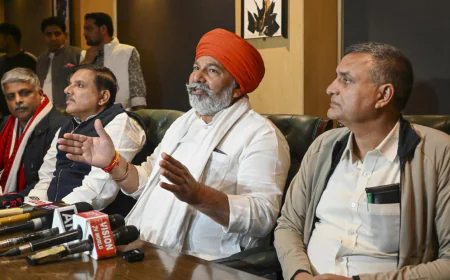
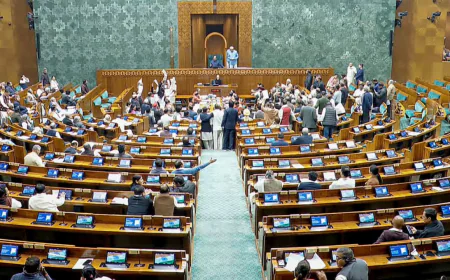
Union Home Minister Amit Shah presented three bills to Parliament that would require the resignation of a Prime Minister, Chief Ministers and other Ministers if they had been arrested and detained for 30 consecutive days on serious charges. This is ill conceived legislation and has sparked fiery debates, as the opposition accused the government of attacking the kernel of democracy.
First, a description of the Bills
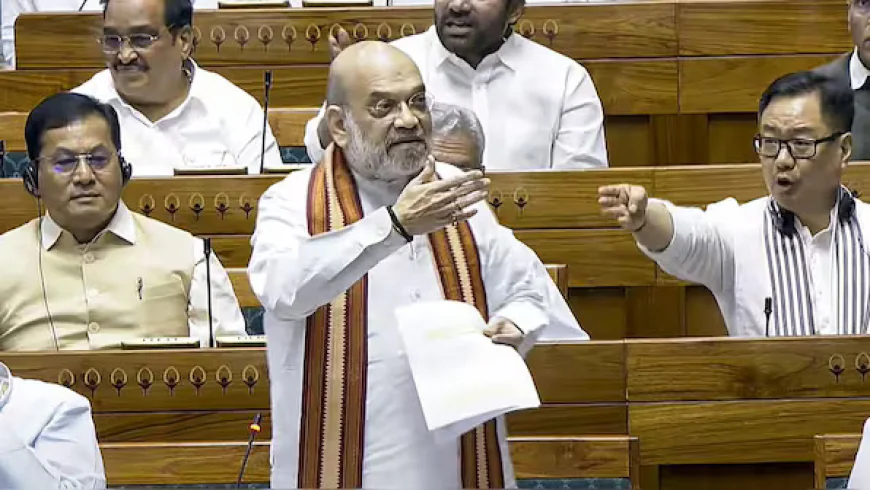
The bills require that when Prime Ministers or Chief Ministers direct all Ministers and hold office for 30 days on serious galleys they will have to go. The bills require all Ministers to provide similar instructions in accordance with serious criminal charges. The government argues that these bills will add accountability to public office and prevent someone who has fallen from grace from continuing in a public capacity.
Concerns of the Opposition
The bills were vociferously opposed by opposition parties, which argued the bills were capable of being misused against political opponents, allowing for arbitrary removals, and could be used to destabilise an opposition-led government. Opposition parties raised additional concerns regarding the erosion of democratic norms, and the concentration of power within the executive.
Amit Shah's Response
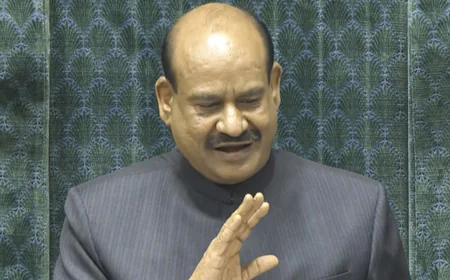
Amit Shah defended the legislation against these attacks by stating the bills were ensuring people that hold positions of power would be held accountable and not be above the laws. Shah noted the legislation matches elements of constitutional provisions, and will strengthen democratic institutions through the advancement of transparency and accountability. Shah added that similar acts are being done in other democracies, and it is relevant worldwide.
Constitutional Considerations
These bills raise a number of issues about power, particularly the balance of power between the legislative, executive, and judiciary branches of government. The government opines that the bills, if enacted into law, fall under their constitutional ambit while the opposition argues it harms the principles of federalism and judicial independence. The judiciary's role of interpreting and enforcing the Constitution will be decisive in determining the legality and propriety of the subsequent laws.
Public Sentiment and the Future
Public support for the proposed bills is mixed. One group believes that the accountability of elected leaders is essential to restoring public confidence in governance and that the bills are an appropriate step forward. Others believe it is a dangerous precedent toward political victimization. The bills will be argued before Parliament and are worthy of consideration for their lasting impact on India's democracy.
Conclusion
the struggle to rid our country of tainted leaders through the law represents the interplay between law and politics and the concepts of law and democracy. The rule of law generated in a democracy is a laudable goal for the government, but this must be done without sacrificing justice and fairness. As India grapples with this controversial issue, it will be a matter of finding the appropriate balance in protecting limited constitutional values while attempting to ensure ethical governance.