





































A New Dawn for the Lunar Race: NASA Reopens Moon Contract as SpaceX Lag Surfaces
After SpaceX’s delay, NASA is moving in a different direction and the US lunar contract is back on the table — the new space race era starts now.

The Shift in Strategy
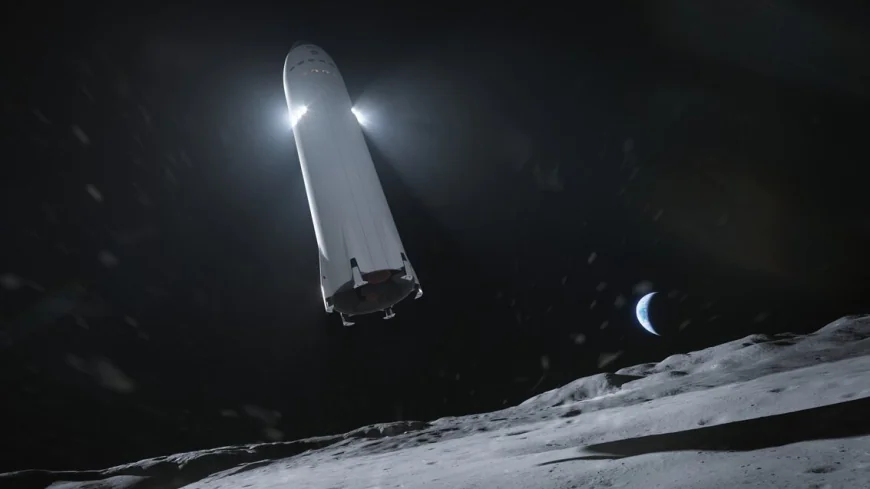
It's a turnaround day for the United States space program. Acting NASA chief Sean Duffy openly admitted that due to the delay of SpaceX (the agency’s chosen company), the Artemis mission, the agency would be looking for a landing contract from other companies on the lunar surface. This move switched a lot of what the “second space race” referred to as.
Why the Change?
Duffy recognized the milestones achieved by SpaceX, but put the point: “We are not going to sit and watch a single company… The work is going to be done at a fast pace and we will be the ones to win the second space race with China.” The moon-landing timeline is being narrowed by NASA with the next flight rescheduled to February 2026 instead of April and a target surface mission around 2028.
Who Could Step In?
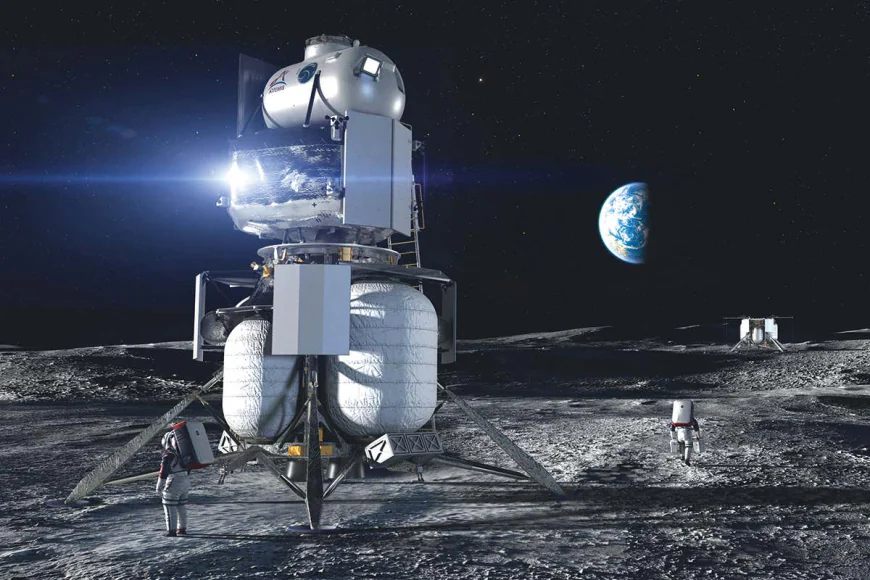
NASA is evaluating Blue Origin very closely as a possible candidate to help keep the pace of the project. It seems NASA is ready to hand off part of the task to a second company in order to keep the timetable if not fully to SpaceX.
Artemis: Bigger Than Just A Moon Landing
The Artemis program is a stepping stone to the idea of human habitation on the Moon, and eventually Mars, not a mere lunar landing. The postponements thus far have involved pushing the first crewed orbit and lunar landing missions by over a year due to safety and technical issues.
What It Means for the Space Race
By revealing the possibility of reopening the contract, NASA shows that it feels the pressure to keep the lead in the race for human space exploration in the US. The competition is expected from China, among others. The question remains: if the Moon comes to be the next arena of geopolitical and scientific rivalry, could this move have long-term consequences for innovation, partnerships, and influence worldwide?
The Takeaway
As of October 21, 2025, a lunar landing contract windfall open to new bidders by NASA is a strategic reset that an agency forced by the hand of SpaceX to delay its operations is seizing the moment. The lunar module contract is put in the spotlight again, a case of hurried agency initiative, a new partner base, timelines to accelerate and zeroing in on the next big step remain NASA's game. The Moon — center stage once more — in a renewed race to the stars.