






































A Bio Factory Making Animal-Free Protein: The Future of Food
A newly designed bio-factory wants to affect the future of food by producing animal-free protein making full use of fermentation technology. This innovation has the potential to help us feed the increasing global demand for protein in a more healthy and sustainable manner, while also being ethical to animals and the environment.

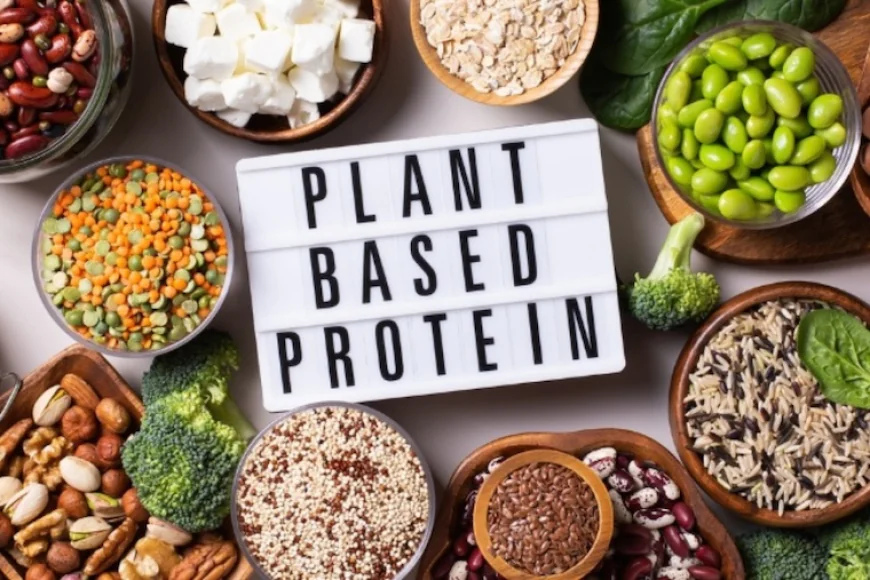
A bio-factory that has started producing animal-free protein using microbiological fermentation technology. This new technology is the first sustainable food technology that does not rely on livestock farming. The bio-factory uses sustainable fermentation technology to extract and produce proteins that closely resemble proteins from meat, eggs, and dairy. The bio-factory is the most exciting rapid innovation toward greener food technology we have seen to date.

Animal-free protein is a lasting concern
It is predicted the world population will exceed 10 billion people by 2050. The demand for protein is expected to rise exponentially. Traditional livestock cattle farming requires vast amounts of land and water, and livestock farming contributes significantly to greenhouse gas emissions. Animal-free protein could curb the reliance on animals to produce protein while developing sustainable and nutritious food.
The bio-factory could aid in addressing problems like food insecurity, environmental degradation, and moral issues around animal farming, all while offering customers the flavors and nutrients they are familiar with, without the environmental consequences.
How It Works
The technology is based on precision fermentation, in which microorganisms have been reprogrammed to produce the protein molecules typical of animal products. Once grown, the proteins are harvested and purified to be used as ingredients in any number of foods.
Experts state that this method can be scaled up rapidly as demand rises, and more importantly, uses much less land and is much less water intensive than conventional farming.
Plant Proteins and Startups
There are several alternative protein startups in private industry throughout the world, but this bio-factory has a couple of special options: scale, and ambition. The founders believe that India is the best place for such innovation, as it has a growing middle class and corresponding food consumption. The larger context of investment from both the private and government sector with sustainability initiatives is building the alternative protein space into a self-sustaining future.
The Future
Animal-free protein is not a fad, it is a possible necessity. Concern about climate change and the consequent pressure on natural resources will support alternative proteins as part of the solution to global nutrition concerns. To see the work done in the bio-factory gives hope that people will have the opportunity to eat and enjoy the things they love while protecting the planet.