


































When the Air Becomes the Opponent: Outdoor Sports Put on Hold in Delhi NCR
With air quality slipping into hazardous levels across Delhi NCR, authorities have banned outdoor sports and physical activities. The decision aims to protect public health but has deeply affected students, athletes and everyday fitness enthusiasts who now find their playgrounds off limits.

Playgrounds Fall Silent
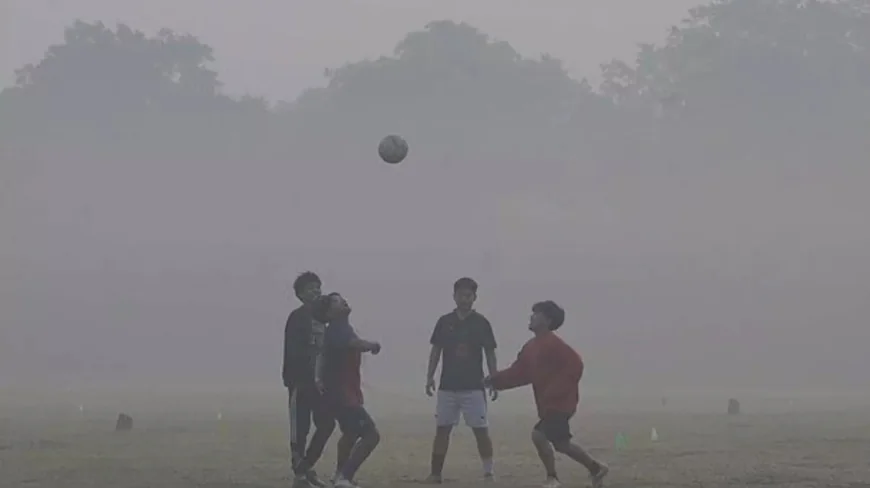
Morning parks that once echoed with footsteps and laughter now sit strangely quiet. Cricket pitches lie unused, school grounds are empty, and jogging tracks see only a few hesitant walkers. As pollution levels climb, Delhi NCR has taken the difficult step of banning outdoor sports, turning fresh air into a scarce and risky resource.
For a city used to adjusting its lifestyle every winter, the ban feels both familiar and frustrating. Yet this time, the silence feels heavier.
Health Before Habit
Medical experts have repeatedly warned that exercising in polluted air can do more harm than good. Deep breathing during physical activity allows harmful particles to enter the lungs more quickly, increasing the risk of respiratory and heart problems. Children and the elderly are especially vulnerable.
Schools have been advised to suspend outdoor games and physical education periods. Coaches have shifted training indoors where possible, while many parents face the challenge of keeping children active within closed spaces.
Athletes in Limbo
For young athletes preparing for tournaments, the ban has disrupted carefully planned routines. Runners worry about losing stamina, footballers miss tactical drills, and cricketers struggle to replicate match conditions indoors. While some academies have access to indoor facilities, many grassroots players do not.
Fitness trainers report a rise in indoor workouts, yoga sessions and home based exercises. Yet these alternatives cannot fully replace the energy and discipline that open fields provide.
More Than a Seasonal Problem
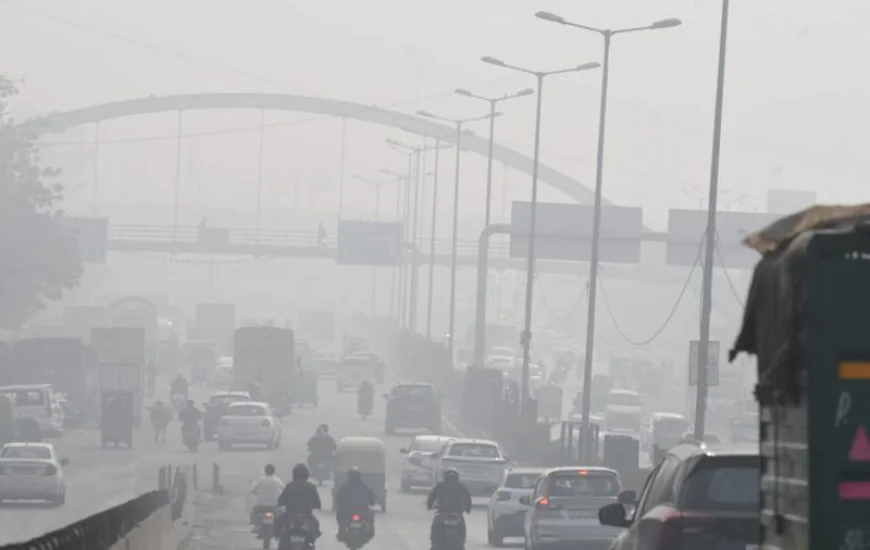
The ban has once again highlighted how deeply air pollution affects daily life in the capital region. What was once considered a seasonal inconvenience has become a recurring crisis that forces lifestyle changes year after year.
Environmental experts stress that temporary restrictions cannot be the only answer. Long term solutions such as cleaner transport, better waste management and stricter emission control are essential to prevent such bans from becoming routine.
Waiting for Clear Skies
Until the air improves, residents are being urged to prioritise health over habit. Masks replace sports jerseys, and living rooms become makeshift gyms. The hope remains that cleaner skies will return, allowing children to run freely and athletes to chase their goals once again.