


































NVIDIA CEO Jensen Huang made a dramatic entrance at SpaceX’s Starbase
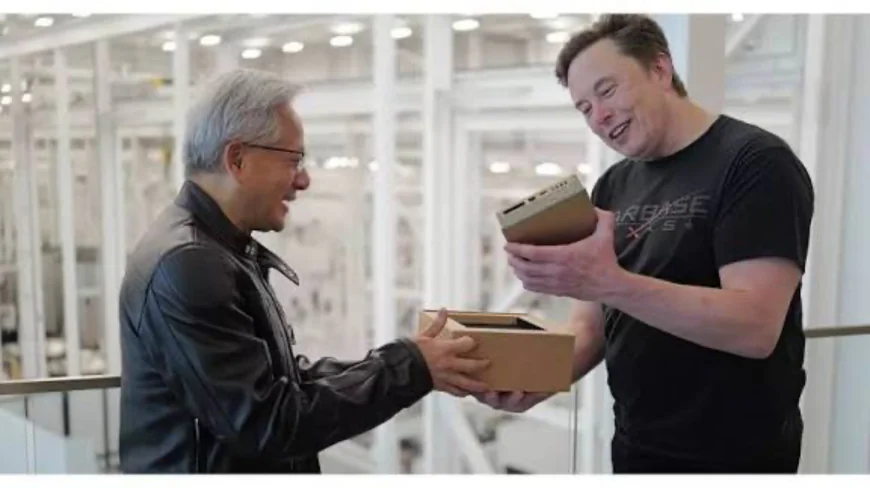
NVIDIA CEO Jensen Huang made a dramatic entrance at SpaceX’s Starbase, personally handing over the new DGX Spark — touted as the world’s smallest AI supercomputer — to Elon Musk. The moment, steeped in symbolism and tech spectacle, connects NVIDIA’s early AI ambitions with its latest leap toward putting supercomputing power in developers’ hands.

A Super Moment in Texas
On October 13, 2025, amid the clang of rocket engines and the hum of launch preparations, Jensen Huang strolled into SpaceX’s Starbase facility carrying a compact device. That device was NVIDIA’s newly unveiled DGX Spark, “the world’s smallest AI supercomputer.” Huang presented the unit to Elon Musk himself an act heavy with symbolic weight and technical promise.
From Legacy to Launch
This handoff was more than a PR stunt; it was a full-circle moment. In 2016, Huang personally delivered the first DGX system to a then-small OpenAI team — a delivery that many view as helping spark the modern AI era. By delivering DGX Spark to Musk at a rocket facility, Huang bridges the trajectory from data-center scale AI toward agile, edge-capable intelligence.
What DGX Spark Packs
Though small in size, DGX Spark is engineered for punch. In a shell about the heft of a hardcover book (around 1.2 kg), it houses:
• A petaflop of AI compute performance
• 128 GB of unified CPU–GPU memory
• NVIDIA’s Grace Blackwell superchip core, NVLink-C2C, high-speed networking, and preinstalled AI software stack
Its design is aimed at giving creators and researchers the ability to prototype, fine-tune, and deploy advanced AI models locally and seamlessly.
Symbolism Meets Strategy
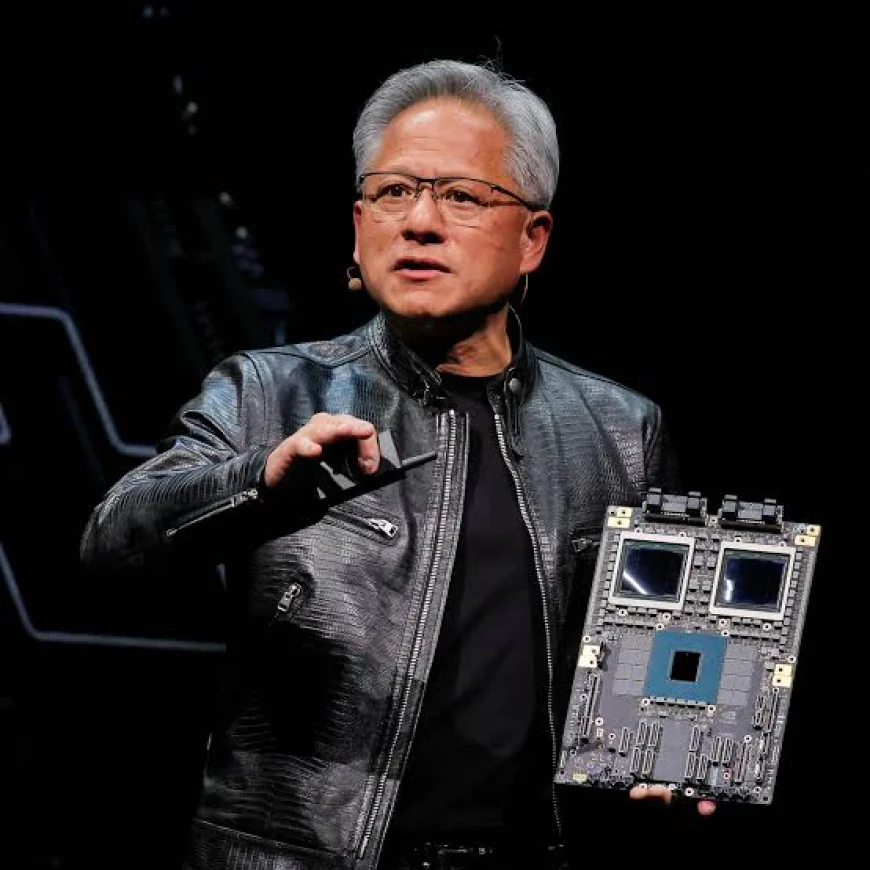
By delivering this to SpaceX during preparations for the 11th Starship flight, Huang cleverly juxtaposed the smallest AI compute with one of the world’s biggest rockets. He even quipped, “delivering the smallest supercomputer next to the biggest rocket.” The gesture underscores NVIDIA’s aspiration: to make supercomputer-class AI accessible in every lab, studio, or startup — not just in giant data centers.
In the emerging era where edge computing, autonomous systems, and creative AI converge, this moment marks a clear statement: the future of intelligence is personal, portable, and bold.