





































Maharashtra Embraces Co-Education: A Step Toward Gender Equality in Schools
The Maharashtra government’s new decision to make all upcoming schools co-educational marks a major stride toward gender equality and inclusive education. The move aims to nurture mutual respect, understanding, and confidence among boys and girls from an early age, aligning with the spirit of the National Education Policy (NEP) 2020.

A Bold Reform for a Balanced Future
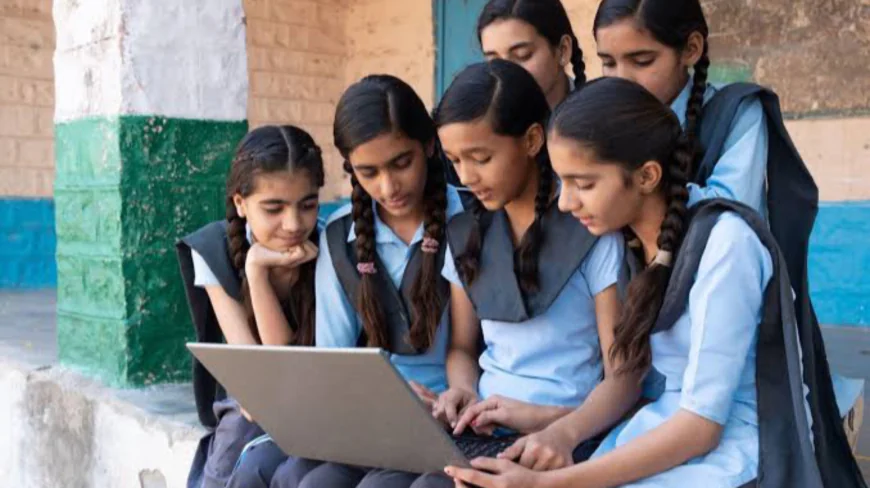
Maharashtra’s education department has taken a progressive stance by declaring that no new single-gender schools will be permitted in the state. This decision reflects the government’s intent to break the traditional barriers of gender-based segregation and prepare students for a more collaborative and equal society.
By learning together, children of all genders gain early exposure to diverse perspectives, building empathy and teamwork essential qualities for modern workplaces and civic life.
Encouraging Equality and Confidence
Co-education not only fosters academic competition but also promotes emotional intelligence. It allows both genders to see each other as equals rather than opposites, helping reduce stereotypes that often form during adolescence.
Experts believe that shared classrooms can help boost confidence in communication, leadership, and problem-solving for both boys and girls. It also helps young students grow up respecting boundaries and individuality.
Challenges Ahead
While the vision is commendable, the implementation may not be without hurdles. Many parents, especially in conservative regions, may initially resist the change due to long-held beliefs about safety or cultural values. Schools will also need to ensure gender-sensitive infrastructure such as separate sanitation facilities, trained staff, and counseling programs to make this transition smooth and secure.
Aligning with National Goals
This decision aligns with India’s larger educational reforms under NEP 2020, which emphasize inclusivity, equity, and holistic learning. By removing gender-based divisions at the foundational level, Maharashtra is setting a strong example for other states to follow.
Conclusion
The move to make all new schools co-educational is not just an administrative reform but a social revolution in education. It’s a promise to create classrooms where equality begins—not as a lesson in textbooks, but as a lived experience. Maharashtra’s bold step could become a blueprint for an India where learning and equality walk hand in hand.