























Lifelong Learning: How Adults Are Forever Students
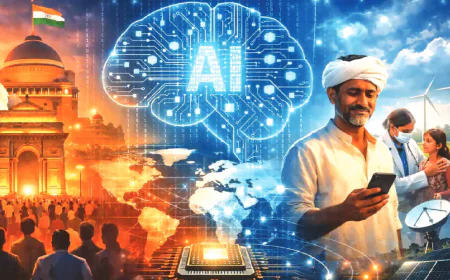
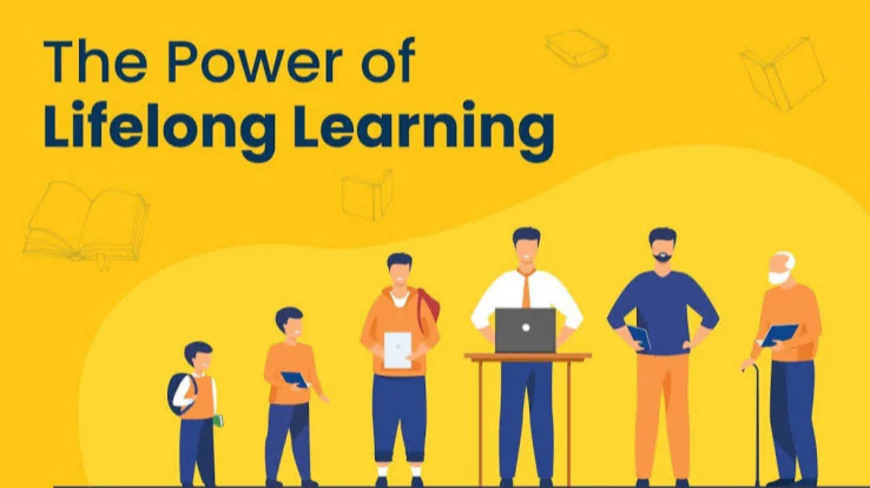
In an era where technology evolves faster than job descriptions, adults across the globe are returning to classrooms—both physical and virtual. Lifelong learning has moved from being a personal choice to a professional necessity. This cultural shift is redefining education, careers, and even the meaning of success.

The New Face of Education
The idea that learning ends after college has quietly faded. From mid-career engineers to stay-at-home parents exploring digital marketing, adults are actively seeking new skills. Online platforms like Coursera, edX, and government-backed programs have democratized education, offering short, focused courses known as micro-credentials. These compact learning experiences provide verified expertise in specific areas—data analytics, project management, artificial intelligence—without the burden of a full-time degree.
Skills Over Degrees
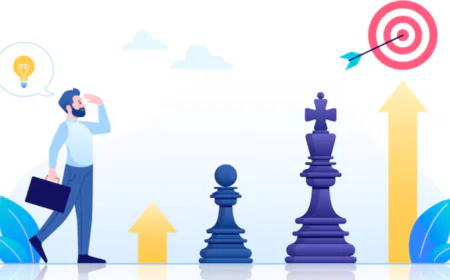
Employers today value adaptability more than static qualifications. The rise of automation and artificial intelligence means that job roles shift faster than ever. Lifelong learners respond to this by building flexible skill portfolios rather than relying on a single academic qualification. A marketing executive may now need to understand coding; a teacher may pursue training in digital pedagogy. Learning is no longer about prestige—it’s about survival and relevance.
The Emotional Journey of Adult Learners
For many adults, returning to education comes with hesitation. Balancing family, work, and study can be exhausting. Yet, it often brings a renewed sense of confidence and purpose. The satisfaction of mastering something new—whether a foreign language or a technical certification—goes beyond career advancement; it feeds curiosity and self-worth. This emotional side of lifelong learning makes it deeply human and transformative.
Building a Culture of Continuous Growth
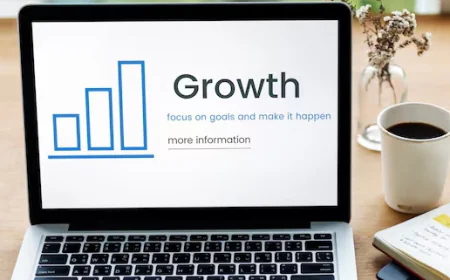
Governments and organizations are beginning to recognize lifelong learning as a key to national growth. Initiatives that fund reskilling programs or promote workplace training help close skill gaps and prepare citizens for future industries. The shift is also cultural: society is learning to celebrate education at every age, not just during youth.
In essence, lifelong learning is not a trend—it’s a mindset. The future belongs to those who remain curious, humble, and open to growth. In this classroom without walls, age is no barrier; curiosity is the only admission ticket.