




































Fog Plays Spoilsport As Fourth T20I In Lucknow Ends Without A Ball Bowled
The fourth T20 International in Lucknow was abandoned after persistent fog and poor visibility made play impossible. The weather interruption disappointed fans and players alike, highlighting the growing impact of winter conditions on scheduling cricket matches in northern India.

Anticipation Turns Into Waiting
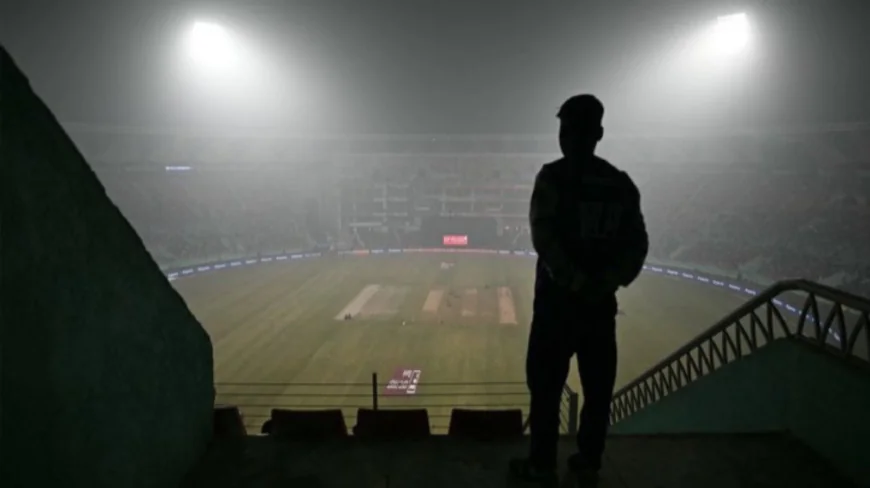
Lucknow was buzzing with excitement as fans gathered at the stadium for the fourth T20I, hoping to witness a crucial clash in the series. Hours before the scheduled start, the atmosphere felt electric, with spectators braving the winter chill to take their seats. However, as evening approached, thick fog began to settle over the ground, slowly reducing visibility.
Ground officials and match referees monitored conditions closely, hoping for an improvement. Players from both teams waited in their dressing rooms as floodlights struggled to cut through the haze.
Safety Comes First
Cricket authorities eventually made the difficult decision to abandon the match. The primary concern was player safety, as fielders would have been unable to track the ball clearly under such foggy conditions. Umpires also faced challenges, with visibility too poor to make confident on field decisions.
While fans were eager for action, officials stressed that proceeding under unsafe conditions could risk injuries and compromise the integrity of the game.
Disappointed Fans And Players
The announcement of abandonment was met with visible disappointment in the stands. Many fans had travelled long distances to attend the match, some witnessing their first international game in person. Social media soon filled with reactions, ranging from frustration to humour, as supporters shared images of the fog engulfing the stadium.
Players expressed similar sentiments, acknowledging the disappointment but accepting that weather is an uncontrollable part of the sport.
Impact On The Series
With the fourth T20I washed out, the series equation remained unchanged, placing added pressure on the remaining fixture. Team managements now have limited opportunities to test combinations and strategies ahead of upcoming international commitments.
For broadcasters and organisers, the abandonment also meant logistical challenges and financial implications, underlining the high stakes involved in hosting international matches.
A Wake Up Call For Scheduling
The incident has reignited discussions around scheduling matches in regions prone to dense winter fog. Experts have suggested earlier start times or alternative venues during peak fog season to minimise disruptions.
As cricket continues to expand across diverse climates, adapting to local weather patterns may become essential. The fog in Lucknow served as a reminder that even the best planning can be grounded by nature.