




































Asia Cup 2025 in Jeopardy: PCB Faces Potential ₹34 Crore Loss Amid Uncertainty
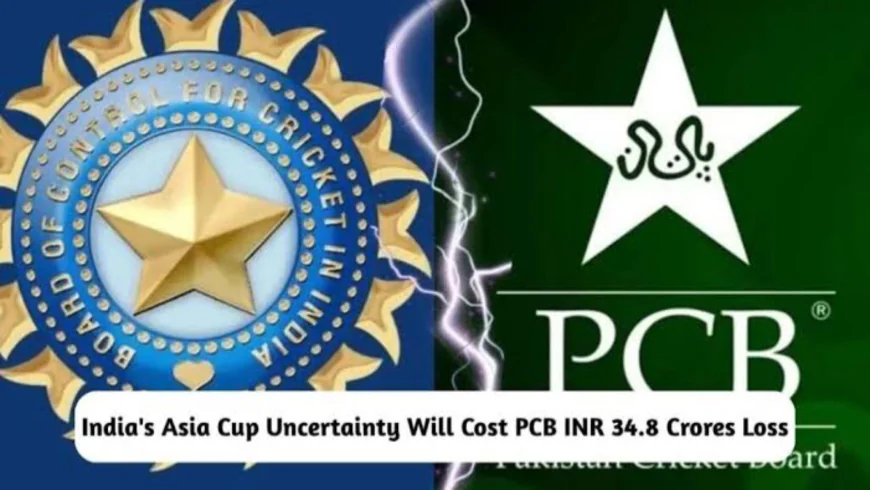
The Pakistan Cricket Board (PCB) is staring at a financial blow of ₹34 crore if the Asia Cup 2025 is scrapped. With the tournament’s venue and schedule still hanging in the balance, regional cricket diplomacy has hit an uneasy low point.

Growing Doubts Over the Tournament
Uncertainty looms large over the Asia Cup 2025 as the Pakistan Cricket Board struggles to gain clarity or cooperation from its regional counterparts. A recent report suggests that if the tournament is canceled or delayed, PCB could suffer losses up to ₹34 crore a major financial setback for a board already managing a lean cricketing calendar.
This concern has intensified after PCB Chairman Mohsin Naqvi was absent from recent ICC meetings a move that has raised eyebrows both within and outside the organization. His absence, symbolic or strategic, has further distanced Pakistan from key decision-making platforms.
Lack of Response From Key Boards
According to reports, PCB CEO Sumair Ahmed has been actively engaging with representatives of the Indian, Sri Lankan, and Afghan cricket boards to finalize an Asian Cricket Council (ACC) meeting. Unfortunately, his efforts have reportedly been met with silence or delays.

The ACC meeting was originally planned for July 24, but without concrete responses from participating nations, the possibility of rescheduling or even cancellation looms large. This not only jeopardizes Pakistan’s financial interests but also hampers the region’s cricketing rhythm ahead of other major events like the Champions Trophy 2025 and ICC T20 World Cup.
What’s at Stake for Pakistan?
Apart from the direct financial hit, losing out on the Asia Cup means reduced international exposure for Pakistani cricketers on home or neutral soil. With broadcasting rights, sponsorship deals, and fan engagement tied closely to such marquee events, the cumulative losses both tangible and reputational could be far more severe than ₹34 crore.
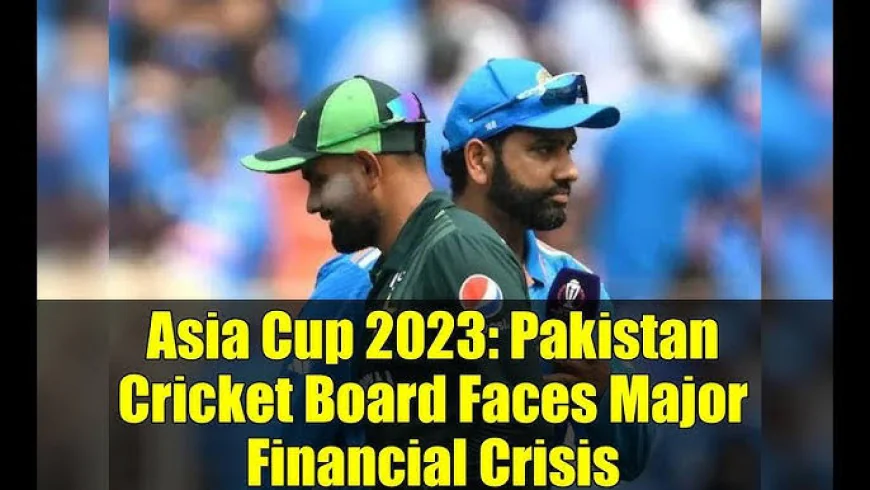
Moreover, political tensions and logistical disagreements continue to influence cricket’s fragile diplomacy in South Asia. Last year’s hybrid model Asia Cup, where matches were split across multiple venues due to India’s refusal to travel to Pakistan, has left a lasting scar on future negotiations.
Conclusion: Time Running Out
As the July 24 ACC meeting approaches with uncertainty, the PCB finds itself cornered financially and diplomatically. If the Asia Cup doesn’t move forward, it may mark yet another chapter in the ongoing rift between major cricketing powers in the subcontinent. A resolution, however difficult, is crucial not just for Pakistan, but for the integrity of Asian cricket itself.