































Why Everyone’s Obsessed with Ice Baths, Sleep Syncing, and Circadian Wellness?
It’s not just for athletes anymore because this new wave of wellness is all about everyday recovery.

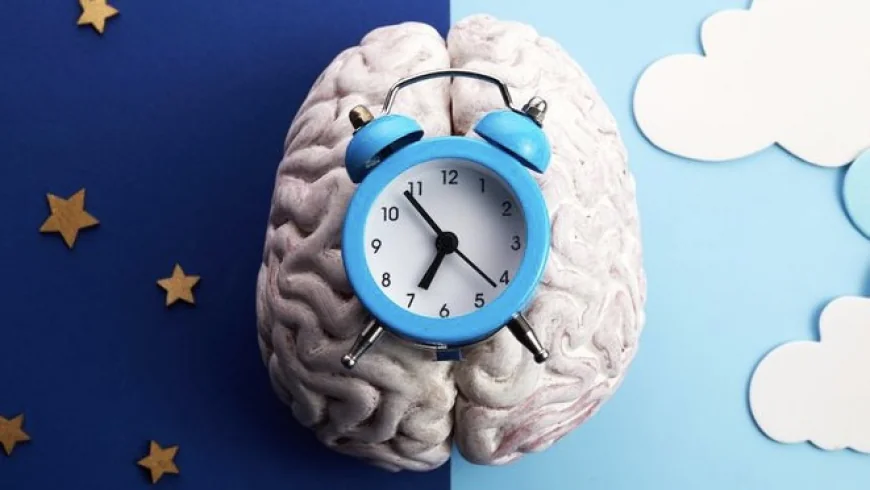
Scroll through any wellness influencer’s feed or peek into the routines of tech founders and you’ll see the same three words popping up: ice baths, sleep syncing, circadian rhythm.
What started in niche corners of elite sports and Silicon Valley is now everywhere, from suburban households to city apartments. This isn’t your typical bubble bath-and-journal routine. This is the era of deliberate discomfort where feeling cold, rising with the sun, and syncing with your body’s natural clock is suddenly the new flex. The question is, why now?
The Cold Plunge Craze
Let’s start with the one that's all over Instagram. Ice baths. What was once a recovery trick for elite athletes is now part of regular morning routines for content creators, startup founders, and even overworked parents. The idea? Sit in a tub filled with freezing cold water (usually around 10°C or lower) for 2 to 5 minutes. It sounds intense and it is, but people swear by the post-plunge high. It’s meant to reduce inflammation, sharpen focus, and trigger a rush of dopamine that some say beats coffee.
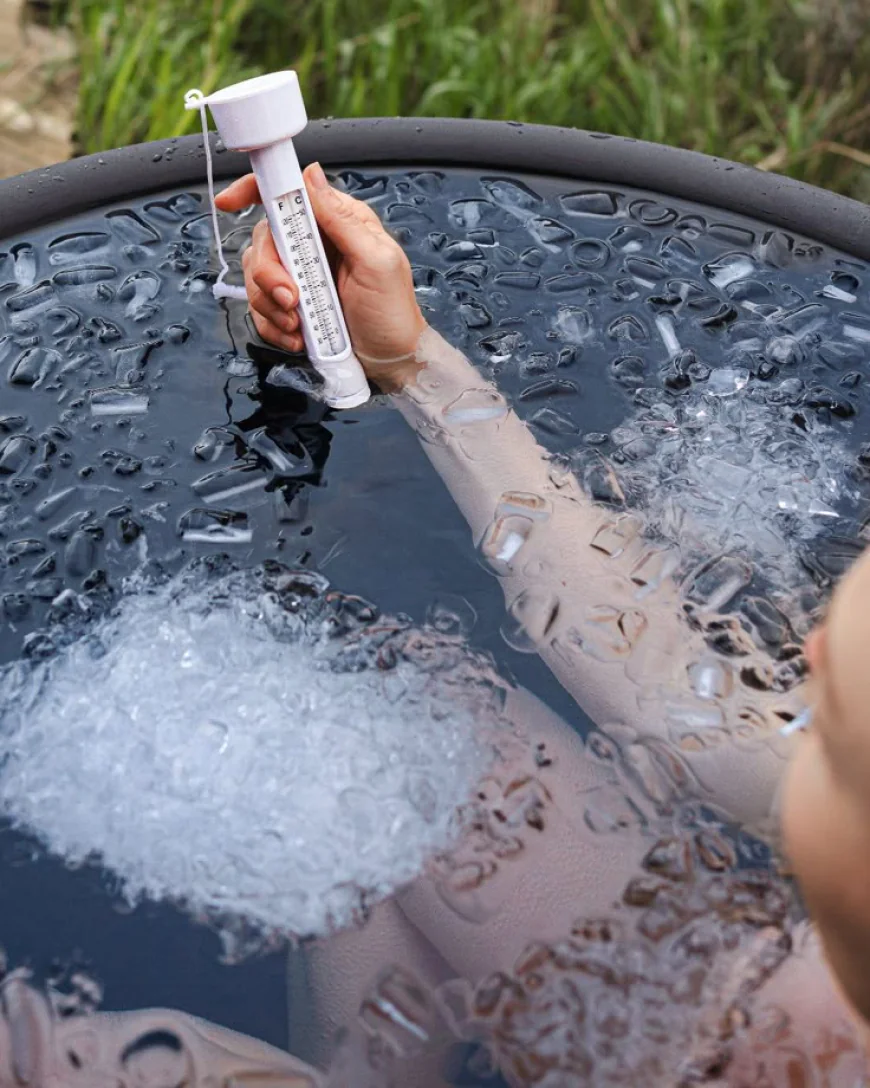
The appeal? It’s raw, uncomfortable, and totally opposite of the overly pampered self-care trends of the past.
The Sleep Syncing Shift
There’s a new kind of sleep hygiene in town, and it’s got a name, sleep syncing. Instead of focusing on 8 hours of sleep, the spotlight is now on syncing your sleep-wake cycle with your natural circadian rhythm. People are tracking their melatonin levels, blocking blue light after 8 PM, and waking up with sunrise alarm clocks instead of scrolling Instagram until 2 AM.
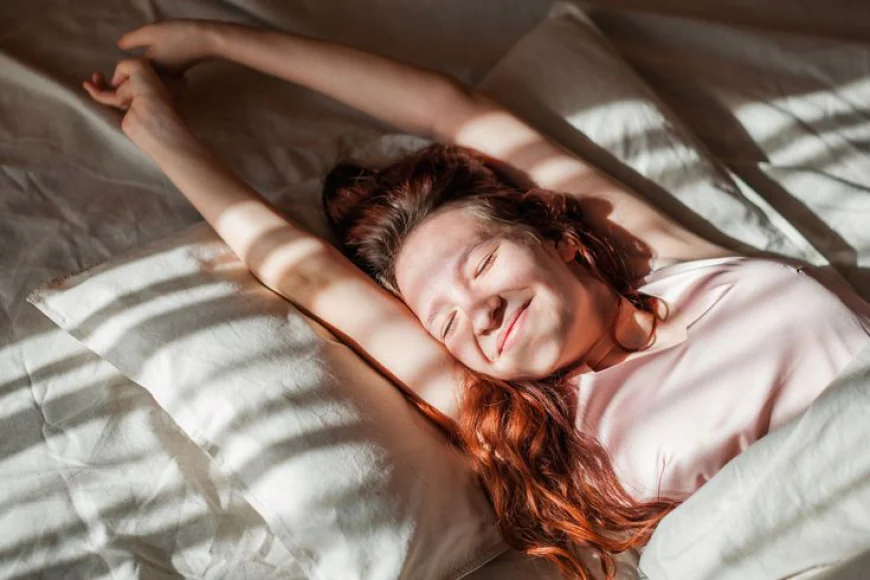
Why the shift? Everyone’s tired of feeling tired. And with burnout becoming a baseline, sleep syncing feels like a simple, science-backed fix that actually works.
Circadian Wellness: The Everyday Biohacking Revolution
This isn’t about buying fancy gadgets or going full tech-bro. It’s about small, measurable upgrades. More sunlight in the morning. Less caffeine after noon. Eating meals when your body expects fuel, not just when your schedule allows it.

This version of biohacking is more accessible, more mindful. People are tuning into how their body responds to light, cold, food, and habits and adjusting accordingly. It’s less about hacks, more about harmony.
Bottom line?
Wellness is no longer about scented candles and spa days. It’s about paying attention to your energy, your rhythms, your biology. And the best part? You don’t need to be a pro athlete to start. You just need curiosity and a willingness to feel a little uncomfortable for long-term gain.