

































Pakistan and Afghanistan Call 48-Hour Ceasefire Amid Escalating Border Bloodshed
Pakistan and Afghanistan have agreed to a 48-hour ceasefire after border clashes claimed dozens of lives. Here’s what’s at stake, who’s paying the price, and what may happen next.

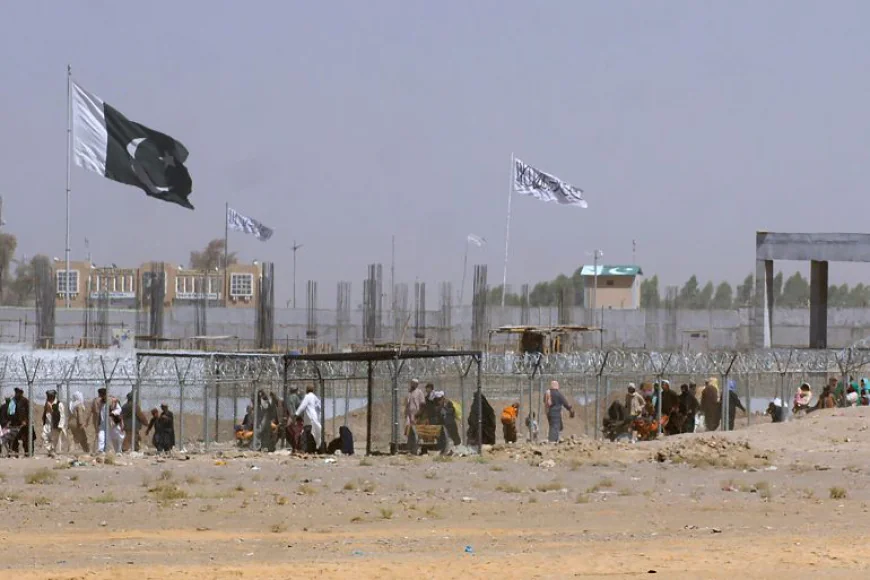
A fragile calm has descended on the Pakistan–Afghanistan frontier after both sides agreed to a 48-hour ceasefire following a fresh burst of violence that left many soldiers and civilians dead. The truce went live Wednesday evening, though questions remain over whether it will hold.
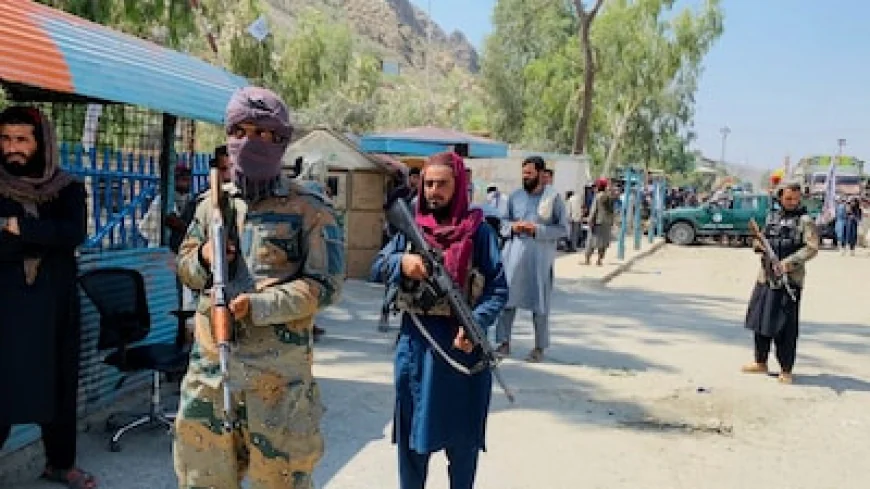
Deadly Clashes Prompt Sudden Pause
The ceasefire announcement followed a series of fierce border skirmishes and overnight shelling. Islamabad confirmed it had carried out "precision strikes" inside Afghanistan, though it did not immediately acknowledge the full scale of cross-border operations. Pakistan’s foreign ministry said the truce began after escalating attacks had spiraled out of control.
From Kabul’s side, Taliban spokesman Zabihullah Mujahid confirmed that the ceasefire was in effect from 5:30 pm local time. He also urged Afghan security forces to abide by it.
On the Ground: Casualties and Accusations
The violence had been building for days. Pakistan accused the Afghan side of harboring militants, particularly elements of the Pakistani Taliban (TTP), prompting cross-border retaliation. Kabul denied the accusations, instead pointing fingers back at Islamabad.
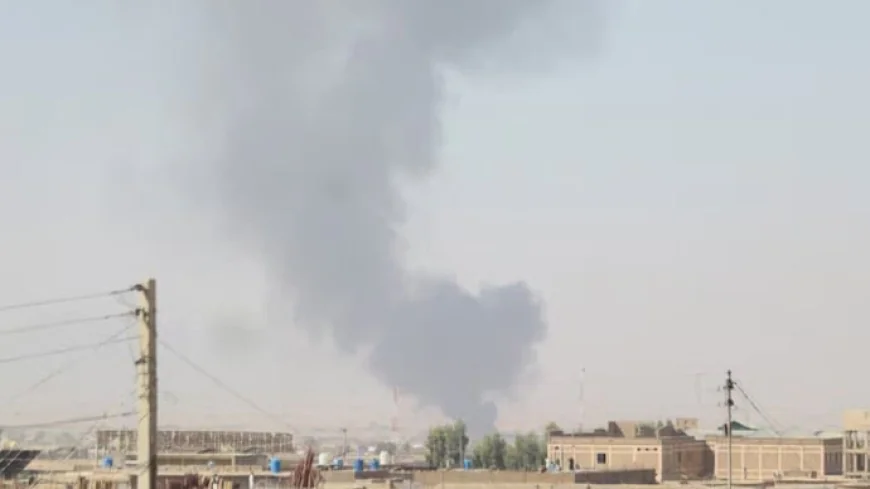
On one of the worst nights, two powerful blasts shook Kabul. Officials said an oil tanker and a generator exploded, though they didn’t specify a direct link to the border fighting.
On the border near Spin Boldak, Afghanistan claimed 15 civilians died and many more were wounded. They also admitted a few losses among their fighters. Pakistan, meanwhile, said it repelled assaults on multiple frontier posts but declined to release its own casualty count.
What Comes Next?
This ceasefire is short and tense. Neither side has laid out a path for a lasting settlement. The truce offers an opportunity if only temporary for deescalation and talks. But with mutual distrust high, the slightest misstep could reignite the fighting almost immediately.
What really matters now is whether this pause becomes a stepping stone toward diplomacy or slips back into the cycle of retaliation.